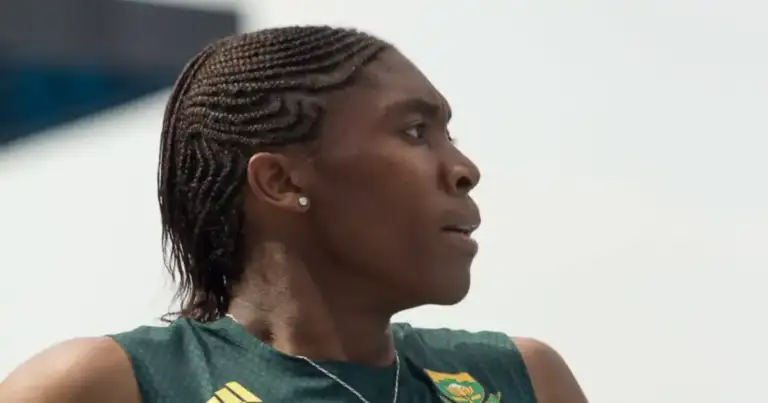

The wind across the Plains carries more than just the scent of rain and the distant low of cattle; it’s now echoing a fierce debate about who truly belongs on the playing field. While headlines often fixate on transgender athletes, the deeper currents of this discussion owe a significant debt to the relentless fight of one woman: Caster Semenya. Her struggle against regulations she’s rightly labeled “unfair” and “nonsense” isn’t some distant European legal squabble; it’s a stark blueprint for the battles brewing right here in America’s heartland.
Caster Defining “Fair” in a Shifting Landscape
Semenya, an athlete with naturally elevated testosterone levels due to differences in sex development (DSD), has spent years challenging World Athletics regulations that demand she medically reduce her testosterone to compete. She’s called it what it is: discriminatory, a violation of her fundamental human rights. While our state legislatures aren’t naming Semenya directly, the recent legislative pushes in Kansas, Nebraska, and South Dakota to ban transgender athletes from women’s sports sing the same tune: an attempt to define “fairness” in a way that inherently excludes.
Consider the recent, decisive action in Kansas:
Kansas House passes bill banning trans athletes from women’s sports, sending it to Kelly’s desk.
This isn’t merely about locker rooms or changing facilities; it’s about the fundamental question of who belongs, and, more critically, who gets to decide. The arguments for these bans often center on “competitive advantage” and “protecting women’s sports” – phrases that could be lifted directly from World Athletics’ defense against Semenya. It’s a convenient narrative, but one that conveniently sidesteps the complex realities of biology and identity, reducing individuals to mere statistics.
Echoes Across the Plains: A Battle for Dignity
From the Missouri legislature debating gender-affirming care to the successful passage of similar sports bans in South Dakota, the Great Plains states are undeniably at the forefront of a national conversation. These aren’t isolated incidents; they’re tightly interconnected threads in a larger societal struggle to understand and legislate around complex biological and identity issues. The stakes are high, and the impact on individual lives is profound.
The resilience shown by athletes like Semenya, who refuse to be sidelined by regulations they see as unjust, mirrors the quiet resolve we often see in communities here when faced with adversity. This isn’t just about winning a race; it’s about the inherent dignity of participation, the undeniable right to be seen, and the courage to challenge systems that seek to diminish those rights. It’s about standing firm, even when the odds are stacked against you.
A Stand for Humanity in Sport
Semenya’s fight, recently bolstered by a European Court of Human Rights ruling in her favor, serves as a powerful reminder: sports, at their best, are about the human spirit – not a tool for exclusion. While our state laws might not overturn international athletic regulations, they certainly contribute to a climate where such vital conversations about fairness, biology, and human rights are played out daily, often with real consequences for real people.
It’s easy to get lost in the legal jargon and the seemingly endless scientific debates. But at its core, Caster Semenya’s unwavering stand, and by extension, the debates happening in our own backyards, are about something much simpler and infinitely more profound: the right for every individual to participate fully and authentically, without being forced to change who they are to fit someone else’s narrow definition of what’s “fair.” The Plains know a thing or two about enduring, about weathering storms. This fight for inclusive fairness is one that will continue to shape the landscape of sport for years to come, and it demands our attention, our understanding, and our steadfast commitment to justice.
Source: Google News