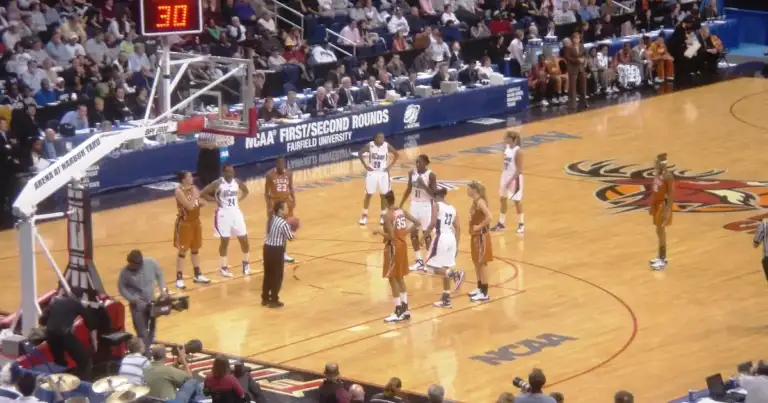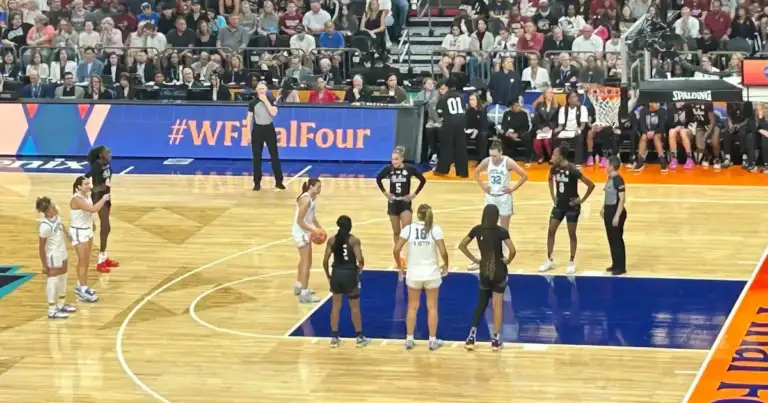

Let’s be brutally honest: The NCAA didn’t just expand March Madness to a staggering 76 teams for 2027; they caved. This isn’t some benevolent act of “athlete access”; it’s a naked power play, a desperate scramble to cash in on the undeniable, record-breaking, and frankly, long-overdue success of women’s basketball.
The official vote by the NCAA Division I Council on April 29, 2026, wasn’t just a procedural formality; it was a seismic shift. This decision shatters the sacred, long-standing 68-team format, set to redefine the 2027 March Madness season.
Forget charity. This entire move is a direct response to the tidal wave of viewership the women’s game just commanded. The 2026 Women’s March Madness championship game didn’t just pull in viewers; it shattered records with an insane 20 million people tuning in. That’s a staggering 25% jump from the previous year. Suddenly, and conveniently, the NCAA isn’t just seeing athletes; they’re seeing dollar signs, finally recognizing the goldmine they’ve been sitting on.
Who Really Wins? The Underdogs or the Usual Suspects?
Eight shiny new spots are opening up for both tournaments. For women’s college basketball, this should be a monumental victory. It should mean more mid-major programs, more teams who’ve been grinding just outside the spotlight, finally getting their well-deserved shot. Picture the Cinderella stories, the moments of pure, unadulterated triumph we’ve been craving!
But let’s tear down the façade. The whispers aren’t just starting; they’re screaming about how those additional eight spots will actually be carved up. The early intel points straight to at-large bids. What does that mean? It means the power conferences, already overflowing with resources and talent, will likely just snatch more berths. It’s the NCAA’s classic playbook: dangle the carrot of opportunity, then shamelessly funnel it right back to the usual suspects. Don’t tell me you haven’t seen this movie before.
This so-called ‘expansion’ follows months of agonizing back-and-forth from the NCAA’s Transformation Committee. They’re trotting out the tired line about reflecting the “depth of talent” across Division I. Excuse me? We, the fans, the coaches, the athletes, have been screaming about that undeniable depth for years! But it only ‘matters’ now, when the women’s game is pulling in record viewership and making them look like fools for ignoring it for so long? The hypocrisy is palpable.
The Critics Roar: Is “Purity” Just a Smokescreen?
Don’t mistake this for a universally celebrated move. While some cheer, the heavy hitters in sports media are already calling foul. Chris “Mad Dog” Russo, never one to mince words, reportedly blasted the expansion as “absurd” on national airwaves. And Jay Williams, a voice respected across the game, has publicly voiced his deep dislike for the move, questioning its true intent.
Their primary argument? It will ‘dilute the quality’ of early-round games. They fret it makes the “bubble watch” less thrilling, less exclusive. These critics, it seems, are more concerned with the purity of their established tournament structure than the pure grit, undeniable talent, and shattered dreams of teams consistently overlooked. Is the ‘purity’ of the tournament truly more important than giving deserving athletes a shot?
The sentiment boiling from certain corners is crystal clear, and frankly, it’s sickening: This isn’t for the fans, and it certainly isn’t genuinely for the athletes. This is a blatant power grab by the major conferences, desperate for more opportunities to parade their teams into the big dance. It’s a cynical, desperate lunge for more money and iron-fisted control, thinly veiled as ‘athlete empowerment.’ Don’t fall for the spin.
The Unseen Costs: Fatigue, Funding, and Fairness
Beyond the court, the logistical nightmares and financial implications of adding more games are a massive, looming concern. Let’s not forget history: the women’s tournament has always been disgracefully short-changed on resources, forced to make do with less while the men’s game basked in luxury. So, the million-dollar question looms: Will these new women’s games finally receive the equitable funding and robust support they deserve? Or is this just another insidious double standard waiting to happen, another promise broken?
And what about the human cost? Increased player fatigue isn’t just ‘on the table’; it’s a direct threat to athlete well-being. An extended tournament means more grueling games, more travel, more pressure. These phenomenal athletes are already pushing their bodies to the absolute limit, sacrificing so much for their sport. We must demand that their physical and mental well-being isn’t ruthlessly sacrificed on the altar of increased TV inventory and revenue.
The message to the NCAA is unequivocal: Step up. Prove your intentions are pure. You must ensure this expansion genuinely benefits the athletes, not just your bottom line. You must put substantial resources, not just lip service, behind these new games. You must prove, beyond a shadow of a doubt, that this isn’t just another cynical attempt to cash in on women’s hard-won, skyrocketing popularity.
This expansion could be the seismic shift women’s basketball deserves, catapulting deserving teams onto a national stage they’ve earned. Or, and let’s be honest, it could just be another calculated maneuver by the NCAA to consolidate its iron grip on power and gorge itself on TV revenue. The ball is in their court, NCAA. But make no mistake: The world is watching, and we demand more than just lip service. We demand genuine change, genuine equity, and genuine respect for the athletes who are finally forcing your hand.
Photo: SSG Daniel Yarnall
Source: Google News