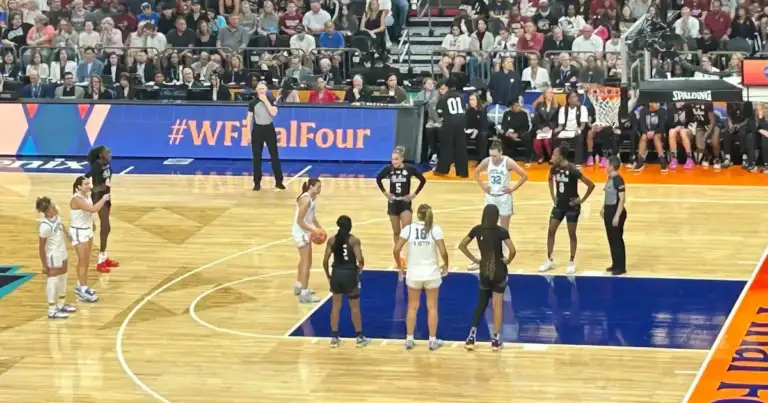

Let’s be brutally honest: the NCAA’s latest ‘gift’ to women’s basketball isn’t a gesture of goodwill; it’s a calculated power grab. They’re expanding the Women’s Basketball Tournament to a shiny 76 teams by 2027. Suddenly, corporate suits are high-fiving about “opportunity.”
But for those of us who live and breathe this game, who see the blood, sweat, and tears these phenomenal athletes pour out, the real question isn’t about more teams. It’s about who gets to hold the damn microphone when the cameras turn on.
Is this a genuine step forward for women’s hoops? Or is it just another cynical play designed to line the pockets and boost the profiles of the usual suspects, leaving the true trailblazers fighting for scraps?
The Illusion of Inclusion: A Familiar Double Standard
The NCAA brass *dares* to tell us this expansion is a triumph for the underdog, a golden ticket for more programs to dance. On paper, an extra 12 teams seems like a win.
More players *might* get a taste of March Madness glory, and smaller schools *might* get a fleeting moment in the national spotlight. But let’s be brutally real: when that committee sits down, who are they *truly* looking at?
Is it the relentless mid-major grinder, fueled by grit and heart? Or is it the Power Five juggernaut with the celebrity coach and pre-packaged media machine, even if their season was shakier than a rookie’s free throw?
Let’s not even pretend this expansion will bring stability to the chaos that is the transfer portal. It’s already a Wild West, a cutthroat free-for-all where loyalty is as dead as disco. This move will only intensify the frenzy.
Coaches are scrambling, and players are chasing not just greener pastures but bigger NIL deals and brighter spotlights. The pressure on coaches to recruit and, more importantly, *retain* top talent will reach fever pitch.
It’s no longer just about winning games. It’s about cultivating a personal brand, a social media presence, and a program reputation that can withstand the relentless churn of player movement and still guarantee a tournament berth.
For the athletes, their entire future – their personal brand, NIL potential, and WNBA dream – is inextricably tied to whether their program can consistently make it to the big dance.
Those extra 12 spots won’t create new opportunities for the masses. They’ll simply become another battleground for already-dominant programs to poach elite transfer talent, further concentrating power, resources, and celebrity status instead of distributing it.
The Real Stakes: Reputation, Riches, and Relentless Scrutiny
Don’t get it twisted: this isn’t just about basketball; it’s about everything *around* the game. This is about raw prestige, cutthroat athletic department budgets, and individual coaching legacies.
Perhaps most crucially, it’s about the soaring celebrity status of our sport’s biggest stars. A deeper run in the tournament isn’t just a win; it’s a national coronation.
This translates directly into exponential national exposure, lucrative NIL opportunities for players, and an undeniable recruiting advantage that can last for years. For coaches, it means ironclad job security, eye-watering contracts, and a gleaming, untouchable reputation.
Conversely, for a program that *should* be there, missing the expanded tournament could be an even more devastating black eye. It magnifies their perceived failures under the harsh glare of social media and sports commentary.
Let’s be clear: the NCAA isn’t doing this purely out of the goodness of its corporate heart. They’re doing it because women’s basketball is a scorching hot commodity, a verified cash cow they can no longer ignore.
The viewership numbers are skyrocketing; the last championship game alone shattered previous records by over 80%, drawing unprecedented attention. Our stars are becoming household names, social media titans, and the money, finally, is following.
Expanding the tournament means more games, more broadcast revenue, more sponsorship opportunities, and more eyeballs on their product. It’s a smart, calculated business move, cloaked in the deceptive language of “athlete opportunity.”
But let’s ask the uncomfortable question: who truly reaps the biggest rewards from that expanded pie? Is it the young player from a non-Power Five school, busting her tail for a chance? Or is it the NCAA itself, along with the established giants of the game, who will only grow richer and more powerful?
The NCAA *dares* to tell us this expansion is a triumph for the underdog, a golden ticket for more programs to dance. But let’s be brutally real. When that committee sits down, when those coveted bids are handed out, who are they *truly* looking at?
The real drama, the true high-stakes game, isn’t just unfolding on the court. It’s in the hushed committee rooms, in secretive backchannel conversations between athletic directors, and in the relentless pursuit of talent in the transfer portal.
Every single player who dreams of making that iconic March Madness moment, every coach who sacrifices everything for their team, deserves to know the truth.
They deserve to know whether this expansion truly levels the playing field, offering genuine opportunity. Or if it’s just another calculated move designed to reinforce and entrench the existing power hierarchy, leaving them to fight for the illusion of inclusion.
Red Marker Verdict: Let’s strip away the PR gloss and face the hard truth. The NCAA’s move to expand the Women’s Tournament to 76 teams by 2027 is less about a sudden burst of generosity. It’s more about a cynical, calculated play to capitalize on the soaring, undeniable popularity of women’s basketball.
They are not creating opportunity out of thin air. They are expanding an existing, lucrative platform primarily to boost viewership, inflate revenue, and solidify the power of established programs and conferences.
While a handful of bubble teams might sneak into the dance, don’t be fooled. The true winners will be the NCAA’s bloated bottom line and the already-dominant forces in the game.
These forces will shamelessly leverage these extra spots for even greater recruiting advantages, celebrity status, and national exposure. It’s a business decision, plain and simple, dressed up in the shiny, deceptive wrapper of “athlete welfare.”
So, to the fans, to the athletes, to anyone who truly cares about the integrity of this sport: don’t fall for the hype. Look past the headlines, follow the money, and scrutinize the power dynamics, because that’s where the real story always, *always* is. And that’s where the fight for true equity begins.
Source: Google News