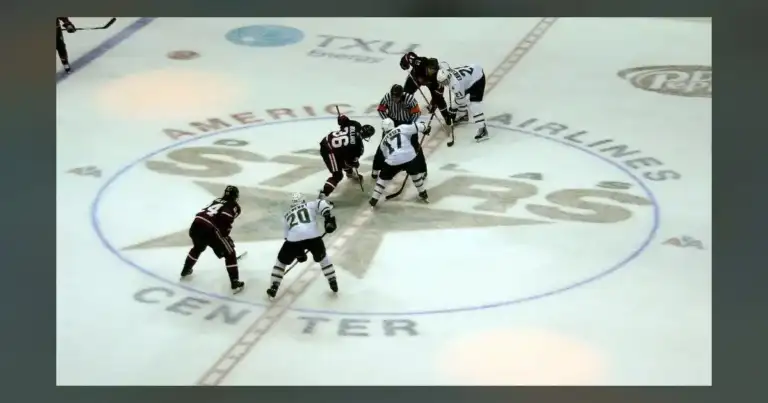

The ice in Dallas has been stained, not by a skate blade, but by the ugly shadow of alleged hate. The hockey world is reeling from reports of a fan making what appears to be a Nazi salute at a Dallas Stars home game. This isn’t merely a “bad look”; it’s a chilling symptom of a societal sickness that threatens to metastasize even in the hallowed halls of sport.
The incident, first reported on April 1st, 2026, during a break in play, has sent shockwaves across social media. A video clip, blurry but undeniably disturbing, shows a fan, or perhaps multiple fans, making a gesture eerily reminiscent of one of history’s most abhorrent symbols. This isn’t some minor infraction; it’s a direct assault on the very spirit of sportsmanship and human decency.
The Stars’ PR Playbook: A Familiar Tune
The Dallas Stars organization, predictably, sprang into action with the speed of a slapshot. Their official statement, released on April 1, 2026, declared a “zero tolerance” policy for hate speech. They’re reviewing security footage, interviewing witnesses, and promising swift action. It’s the standard corporate damage control, a well-rehearsed symphony of indignation designed to protect the brand and project an image of unwavering commitment to inclusivity. But is it enough? Is this just another performance, or will it lead to meaningful change?
The NHL, too, benefits from this swift condemnation. It allows them to outwardly demonstrate a commitment to diversity and inclusion. Yet, I, Alex “The Blade” Rossi, can’t help but wonder: how many times must we hear these same platitudes before we see a genuine eradication of such vile acts from our arenas? These incidents keep happening, from the frozen rinks of North America to the sun-drenched pitches of Europe, proving that the problem runs far deeper than a single rogue fan.
The Rancid Underbelly of Modern Fandom
Let’s be unequivocally clear: a Nazi salute is not a joke, not a “misunderstanding,” and certainly not a benign gesture. It is a symbol of pure, unadulterated hate, a grotesque echo of genocide and unimaginable suffering. To see it surface in a sports arena, a place meant for unity and shared passion, is a dagger to the heart of every true fan.
The online reaction, however, is a toxic brew of outrage, cynicism, and bewildering conspiracy theories. On platforms like Reddit, the mainstream sentiment demands lifetime bans, with some even branding the Stars “complicit” for what they perceive as a slow response. This is the understandable, righteous anger of those who believe in the sanctity of sport.
But then, there’s the truly disturbing undercurrent. A significant, and frankly sickening, portion of the online discourse dismisses the incident as a “staged stunt.” “Roman salute bros,” some joke, mocking the historical context. “Awkward jazz hands,” others quip, trivializing the gravity of the act. One viral post, garnering over 50,000 likes, sneered, “Classic Dallas Stars PR own-goal,” implying the entire situation was “performance art” orchestrated for attention.
Why would anyone engage in such a grotesque charade? The cynical corners of the internet suggest motives ranging from “TikTok clout” to deliberately baiting “Jewish orgs for headlines.” It’s a chilling indictment of a society where even the most heinous symbols can be weaponized for viral notoriety. This isn’t just misguided; it’s morally bankrupt.
The “Stunt” Theory: A Convenient Diversion?
The timing of the video’s release is, admittedly, curious. The alleged incident occurred at a Dec. 21, 2025, game, yet the clip only emerged months later. In a slow NHL season, where every scrap of news is devoured, the delayed release does raise an eyebrow. The faces of the alleged perpetrators are blurred, and no names have been publicly released, fueling the flames of suspicion among the more conspiratorial minds.
This “inquiry,” for some, feels less like a genuine search for truth and more like a carefully choreographed show. “Are provocateurs baiting the system?” they ask. “If it was real Nazis,” one comment noted with chilling pragmatism, “they wouldn’t be doing it for social media.” This cynical view, while disquieting, is becoming increasingly difficult to dismiss in an age saturated with manufactured outrage.
Beyond the Blurry Video: A Deeper Malady
Organizations like the Anti-Defamation League (ADL) will undoubtedly seize upon this incident as an opportunity to educate and advocate. And rightly so. But the reality is, hate symbols are no longer confined to the dusty pages of history books; they are omnipresent, lurking in the darkest corners of the internet and, increasingly, spilling into our public spaces.
Incidents like this carry a tangible cost. Sponsors get nervous, fearing association with such negativity. Ticket sales, while perhaps not immediately impacted, can suffer in the long run as fans become disillusioned. European soccer clubs, for instance, face hefty fines, often in the tens of thousands of euros, for similar displays of hate. This is the stark financial reality of allowing such venom to fester.
Hate speech at sporting events is not a new phenomenon. From the abhorrent monkey chants in European soccer to the sporadic appearance of swastikas at hockey games, it’s a dark stain on the history of sports. The insidious rise of white nationalism and other extremist ideologies, amplified by the echo chambers of the internet, ensures that these hateful ideas continue to permeate society and, tragically, our beloved arenas.
“The Dallas Stars organization is aware of reports regarding an alleged discriminatory gesture made by a fan during last night’s game. We have zero tolerance for any form of hate speech or discriminatory behavior. We are actively investigating this matter, reviewing all available footage, and interviewing witnesses. Any individual found to have engaged in such behavior will be subject to a lifetime ban from our arena.” – Dallas Stars Official Statement, April 1, 2026
This statement, as I’ve said, is the correct and necessary response. But as any seasoned journalist will tell you, words are cheap. Actions, and the unwavering commitment behind them, are what truly resonate. The world is watching, Dallas.
The NHL’s Crossroads: Act Decisively or Lose Credibility
The NHL cannot simply issue reactive bans and hope the problem disappears. We need proactive solutions, a systemic overhaul of how we address hate in our sport. Education programs, implemented at every level from youth leagues to professional organizations, are vital. Fan codes of conduct must be not just stricter, but enforced with an iron fist. Partnerships with anti-hate groups, leveraging their expertise and resources, are no longer optional; they are crucial.
This isn’t just about one abhorrent gesture; it’s about the very fabric of our society. A society that, in its complacency, has allowed hate to normalize, to creep into the mainstream. Fans, too, bear a responsibility. Report bad behavior, call it out, and refuse to let a vocal, hateful minority ruin the experience for everyone else. The cost of silence is simply too high.
Organizations, from the team level to the league office, must act decisively. Anything less will erode their credibility, alienate their true supporters, and embolden the very bigots they claim to oppose. Will the individuals responsible be identified? What was the context, if any, for such a vile act? Was it directed at a specific person or group? Will the NHL issue a league-wide statement that goes beyond mere condemnation, mandating comprehensive training and education across all franchises? These are not rhetorical questions; they are crucial inquiries demanding concrete answers.
This incident, blurry video or not, is a grim, undeniable reminder: hate symbols are not relics of a forgotten past. They are active weapons, designed to intimidate, to spread fear, and to divide. Sporting events, in their supposed neutrality, are not immune to society’s deeper maladies. Ignoring this makes it worse, allowing hate to fester and telling bigots that their actions will go unpunished.
The Dallas Stars, and indeed the entire NHL, must deliver. Not just a ban, but a resounding, unequivocal message, echoing across every arena and every broadcast: hate has no place in hockey, now or ever. The puck drops, but the fight against intolerance continues.
Photo: Photo by tomasland on Openverse (flickr) (https://www.flickr.com/photos/29092371@N00/3321993925)
Source: Google News