
The latest viral sensation from March Madness isn’t a buzzer-beater, it’s a carefully crafted soundbite from a BYU player. This “faith over hoops” narrative is a transparent play for attention, not genuine conviction. It’s a performance, plain and simple, designed to go viral and, by extension, line pockets.
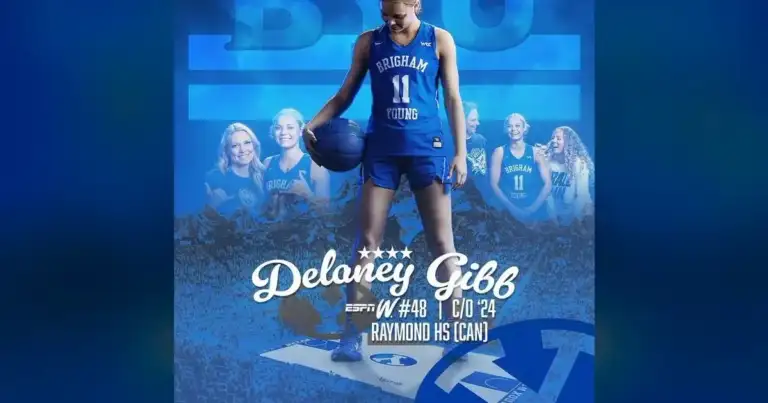
BYU guard Delaney Gibb went viral explaining her Sunday practice boycott, claiming her faith is “bigger than basketball.” This clip detonated during peak March Madness hype, pushing Gibb into the national conversation. Don’t mistake this for deep faith; this is deep marketing, a masterclass in monetizing piety.
The BYU Playbook: Piety as Performance Art
BYU operates differently, yes, but not in some spiritually enlightened way. Their brand and identity are meticulously built on strong religious ties. This viral moment isn’t an anomaly; it’s a perfectly executed chapter from their well-worn playbook.
Gibb’s statement was delivered with the precision of a seasoned PR professional. It felt rehearsed, polished, and timed to perfection – a manufactured moment designed for maximum impact, not spontaneous spiritual outpouring.
- Who: Delaney Gibb, BYU guard, now a viral sensation.
- What: A carefully worded explanation for skipping Sunday practice.
- When: Precisely during the NCAA March Madness tournament, the zenith of college basketball’s visibility.
- Why: Citing her Christian faith, which she declared “bigger than basketball.”
This calculated move isn’t surprising for BYU. They’ve always leaned into their faith-based identity, attracting a certain kind of athlete and, crucially, a certain kind of donor and fan base. It’s a niche market, and BYU exploits it with ruthless efficiency.
The Cynical Read on “Faith”: More Like “Faux-Faith”
Elite athletes, especially those competing in March Madness, live and breathe their sport. Missing practice, particularly during a high-stakes tournament, isn’t just a big deal; it’s often a career-limiting move. Unless, of course, it’s not actually about the game, but about the optics, the narrative, the brand.
The online world sees through this charade. Reddit and X (formerly Twitter) absolutely exploded, calling it what it is: a cynical PR stunt. One Reddit user, with surgical precision, absolutely nailed it:
“BYU’s weekly Jesus commercial, sponsored by NIL deals.”
That comment didn’t just rack up 2,000 upvotes; it perfectly encapsulated the public sentiment. People aren’t buying the sincerity because, frankly, there isn’t any to be found. Another popular tweet, dripping with sarcasm, joked about a “No Hoops on Holy Days” sign. This isn’t just the internet being snarky; it’s a collective eye-roll at a manufactured moment, a visceral reaction to the undeniable stench of fakery.
The NIL Angle: Where Piety Meets Profit
NIL (Name, Image, Likeness) deals have fundamentally reshaped college sports, transforming athletes into marketable commodities. This new landscape creates unprecedented avenues for branding, and Gibb’s viral moment is a textbook example of leveraging personal narrative for financial gain.
Is Gibb’s viral moment a direct play for NIL money? It’s not just a fair question; it’s the only logical conclusion. BYU thrives on its “wholesome” image, and an athlete publicly declaring their unwavering faith, especially during March Madness, reinforces that image perfectly. It’s a virtuous cycle of piety and profit.
One particularly insightful cynic on X dubbed it “NIL 2.0: Faith Edition,” adding, “BYU pays kids to piety-post for donor bucks.” This isn’t some random, isolated thought. It’s a discernible pattern, a calculated strategy. Athletes are no longer just athletes; they are walking billboards, and their personal beliefs, or at least the public performance of them, become an integral part of their marketability. So, is this genuine faith, or merely another expertly executed branding opportunity?
The Double Standard: Hypocrisy on Full Display
Imagine an athlete from a different background. What if they skipped practice for a non-Christian religious observance? The reaction, let’s be honest, would be dramatically, even violently, different. A viral tweet highlighted this glaring hypocrisy with brutal accuracy:
“If she sat out Saturdays for Wicca, she’d be canceled faster than a ref’s bad call.”
This isn’t just a joke; it’s a razor-sharp observation that cuts to the core of the issue. There’s a clear and undeniable double standard at play. Christian faith, particularly when presented in this saccharine, marketable fashion, is often celebrated and amplified. Other faiths, not so much. This exposes a deeply ingrained bias within sports media and fan culture, revealing the specific audience this message targets. It’s not about universal values; it’s about pandering to a specific cultural group, and doing so shamelessly.
Timing Is Everything: A Calculated Strike
Why did this clip go viral now? Gibb didn’t just discover religion last week. She’s been at BYU, a religiously affiliated institution, for a while. This isn’t new behavior. The timing, therefore, screams “calculated.” It was unleashed precisely during the peak of March Madness, guaranteeing maximum exposure, maximum outrage, and maximum engagement.
“Viral engineered by Provo publicists,” one astute commenter remarked, directly linking it to the “theocratic branding machine” of BYU. It’s frankly impossible to argue with that assessment. This wasn’t an accident; it was a meticulously planned strategy, executed with the precision of a surgical strike. It was a performance designed to generate buzz, and it undeniably worked. But at what cost to authenticity, to the very notion of genuine belief?
The Cost of Manufactured Authenticity: A Spiritual Sell-Out
Athletes are under immense pressure, not just to perform on the court but to be paragons of virtue, role models for the masses. But when their personal beliefs are cynically weaponized for PR, it cheapens everything. It transforms genuine faith into a mere gimmick, a marketing ploy.
This isn’t about respecting someone’s beliefs; it’s about aggressively questioning the motive behind a public declaration that conveniently aligns with peak viewership. Is it personal conviction, or is it strategic positioning designed to boost one’s profile and, inevitably, their NIL valuation? Everything is content. Even faith. And that, dear reader, is a truly depressing reality.
This viral moment is less about devotion and more about marketing. It’s a cynical play on sentiment, a carefully constructed narrative designed to resonate with a specific, lucrative audience. It worked, yes, but in doing so, it also exposed the game for what it truly is: a calculated, commercialized performance of piety.
Source: Google News