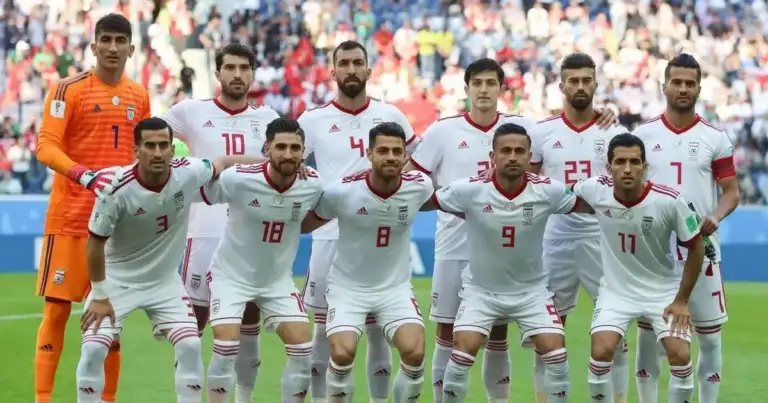
Iran's footballers expose a chilling truth: they were forced to leave. Their freedom is sacrificed to a regime strangling dissent.
The Islamic Republic of Iran, a regime that ruthlessly chokes dissent at home, now stands accused of strangling the very life out of its national football team. This isn’t just a game. This is a chilling tale of state-sanctioned oppression, where athletes are forced to choose between national pride and personal freedom, their careers sacrificed on the altar of political control.
From late 2025 into early 2026, a dark narrative has emerged: Iranian athletes find themselves caught in an unbearable vise. On one side, the fierce pull of representing their nation; on the other, the suffocating grip of the Islamic Republic’s draconian policies. This isn’t merely anecdotal chatter. This is a deeply entrenched, systemic assault on their autonomy, their voices, and the very trajectories of their lives.
The Double Standard on Display
Perhaps the most egregious, most visible scar of this “oppressive treatment” is the regime’s unyielding ban on women attending football stadiums. For years, the world has heard Tehran’s hollow assurances, yet human rights powerhouses like Amnesty International and Human Rights Watch have meticulously chronicled instance after instance of Iranian women being brutally denied entry to matches – even pivotal World Cup qualifiers. It’s a grotesque spectacle of hypocrisy.
In October 2025, Amnesty International condemned the stadium ban.
Human Rights Watch called for stronger action in November 2025.
Ahead of AFC matches in Tehran in late 2025, authorities actively limited women’s access.
Outside these stadiums, small but fiercely defiant protests have flared, showing uncrushable spirit. These women aren’t merely clamoring for a ticket to a game; they are confronting an entire patriarchal edifice. They demand basic gender equality, the fundamental right to assemble, and the freedom to exist in public spaces without state permission.
They are, quite literally, kicking against the state’s suffocating control over every facet of public life.
“Iranian Women’s Stadium Ban Continues to Draw International Condemnation.”
This brazen denial of access doesn’t just “clash” with the universal spirit of sport; it spits in its face. It exposes the utter moral bankruptcy of a system desperate for international legitimacy while simultaneously trampling the most fundamental rights of its own people. What kind of recognition does a regime deserve when it treats half its population as second-class citizens, unfit for a public spectacle?
Exile: The Ultimate Price
The gut-wrenching claims of being “FORCED to leave” are not hyperbole; they are the lived, agonizing reality for a growing number of Iranian athletes. Prominent former footballers, now scattered across the globe, have emerged as fearless, vocal critics. They refuse to be silenced, bravely exposing the government’s abysmal human rights record and its insidious tentacles reaching deep into the world of sports.
Exclusive interviews with international giants like The Guardian and Al Jazeera English from late 2025 into early 2026 paint a chilling portrait of a sporting environment utterly corrupted by politics. Athletes are not just performers; they are pawns, facing immense, often brutal, pressure to parrot specific political narratives. To deviate, to show even a flicker of dissent, carries not just “severe repercussions,” but potentially career-ending, life-altering penalties.
“Exiled Iranian Footballer Details State Pressure on Athletes.”
These exiled players don’t just share stories; they lay bare harrowing sagas of betrayal and suppression. Teammates are not merely “sidelined”; they are vanished from squads, subjected to relentless intimidation, or even detained for the slightest perceived political misstep. This isn’t just a “chilling effect”; it’s a deep freeze, forcing athletes into a terrifying silence or, worse, into involuntary exile.
Their courageous, defiant testimonies are nothing less than a direct, frontal assault on an oppressive system, giving desperate voice to the countless others still trapped within Iran’s suffocating borders.
FIFA’s Empty Threats?
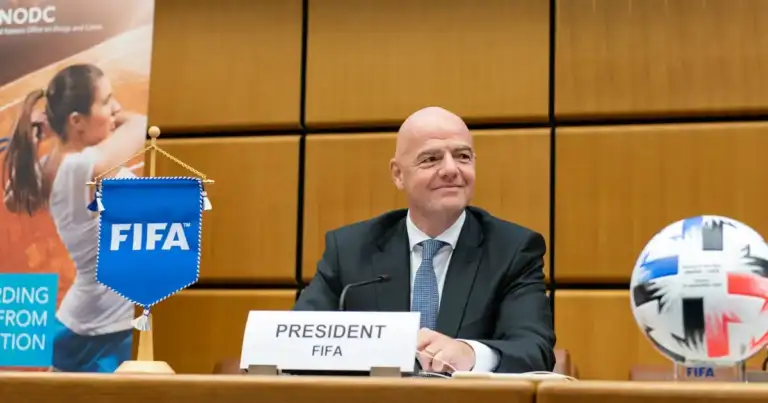
Even the often-sluggish international sporting bodies are finally being forced to confront this ugly reality. The Iranian Football Federation (FFIRI) finds itself under relentless, unforgiving scrutiny from FIFA. The core of the issue? Blatant, unapologetic governmental interference in the beautiful game. Reuters confirmed in March 2026 that FIFA had issued fresh, stern warnings to Tehran, demanding immediate changes.
FIFA hasn’t just issued warnings; it has slapped down concrete deadlines for the FFIRI to guarantee its autonomy, specifically demanding fair election processes. These aren’t “quiet acknowledgments”; they are thinly veiled indictments, a global body admitting what is blindingly obvious: sports governance in Iran is not merely influenced by politics; it is subsumed by it, a puppet on the state’s strings.
This escalating tension isn’t just an administrative spat; it’s a fundamental ideological war. The universal principles of fair play, autonomy, and human dignity, foundational to global sport, are on a collision course with a totalitarian state that seeks to control every breath of public life. FIFA’s stated goal is to curb these oppressive aspects. But let’s be blunt: can an international body, however powerful, truly dismantle the iron grip of a regime that views sport as just another tool for social engineering and political control? Or are these just hollow gestures?
The harrowing claims from Iranian footballers are not mere whispers of discontent; they are a deafening scream, exposing the rot at the heart of a profoundly tyrannical system. From the grotesque denial of basic human rights to the forced exile of its most gifted athletes, the regime’s control is absolute, total, and unforgiving. This insatiable hunger for control comes at an incalculable cost – not just to its own brutalized people, but to Iran’s standing on the global stage.
The world is watching, but for how long will it merely observe? The silence of these athletes, often enforced, often broken with immense courage, speaks volumes. The question isn’t if Iran’s football will pay the price, but when the world will finally demand the regime does too.