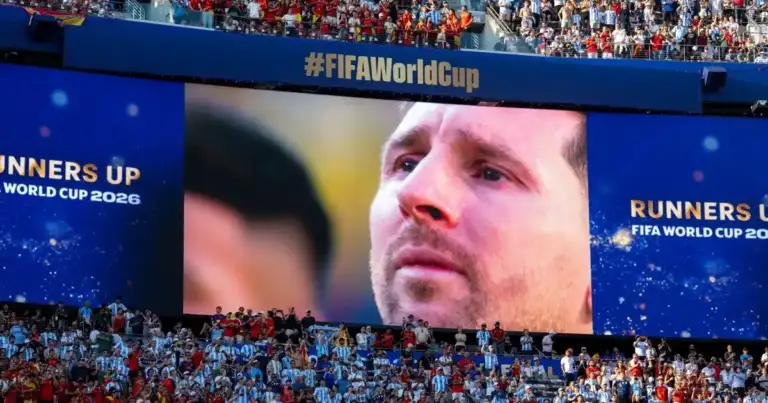

Forget the confetti, the tears of joy, and the iconic images of Lionel Messi finally lifting the World Cup. Two years on, Argentina’s triumph in Qatar isn’t just a cherished memory; it’s a festering wound, a conspiracy theory that refuses to die. With the 2026 tournament looming, the cries of ‘rigged!’ are not merely echoing – they’re a strategic roar, particularly from England fans.
These fans aren’t just fearing a repeat performance; they’re actively trying to prevent one. This isn’t merely historical revisionism or post-tournament grumbling. This resurfacing debate is a calculated, strategic strike.
It’s designed to poison the well. It injects doubt into every whistle, every VAR check, and every contentious decision in the upcoming World Cup. This is psychological warfare, plain and simple.
The ‘Fixed’ Narrative: A Look Back at 2022
At the heart of these allegations are the refereeing decisions. Many believe these bent over backwards for Lionel Messi and his Albiceleste. The numbers, cold and stark, don’t just speak; they scream.
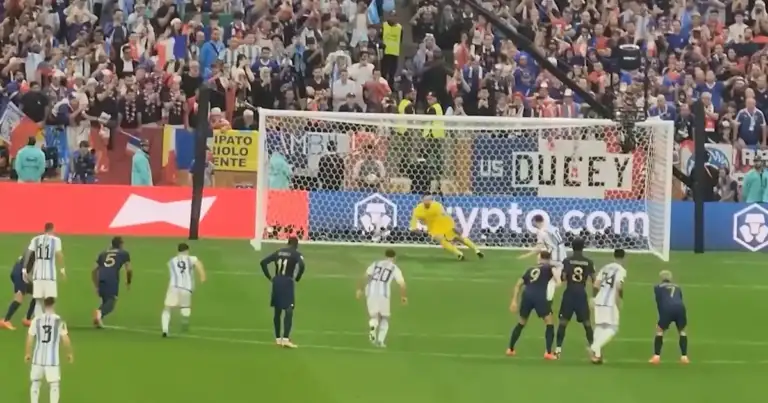
Argentina was awarded an astounding five penalties throughout the 2022 tournament. No other nation even sniffed that tally. Four of those crucial spot-kicks landed at Messi’s feet, contributing to his seven goals in total.
Four goals came from the spot. This isn’t just raising eyebrows. It’s practically an open invitation for conspiracy theories, regardless of your allegiance.
- In the group stage against Saudi Arabia, a soft penalty was awarded early, setting a contentious precedent. Messi converted it.
- The quarter-final against the Netherlands saw a late penalty awarded, which Messi again slotted home. The extraordinary amount of added time in that fiercely contested match also drew heavy scrutiny, sparking outrage from the Dutch camp.
- The epic final against France, a 3-3 thriller decided only by a penalty shootout (Argentina winning 4-2), saw two more Argentine penalties. One for a contentious foul on Angel Di Maria, another for a handball. Both were, predictably, converted by Messi. Was it drama, or was it destiny manufactured?
But the alleged favoritism didn’t stop at penalties. Critics point to ‘Messi’s let-offs.’ These were moments where the maestro seemingly glided past fouls that would have earned lesser mortals a swift yellow card.
This perceived immunity, this unspoken shield, is the very oxygen fueling the ‘fixed’ narrative. It’s not just about winning. It’s about a global sporting body seemingly orchestrating a fairytale ending for its most marketable star.
Who Benefits from the Conspiracy?
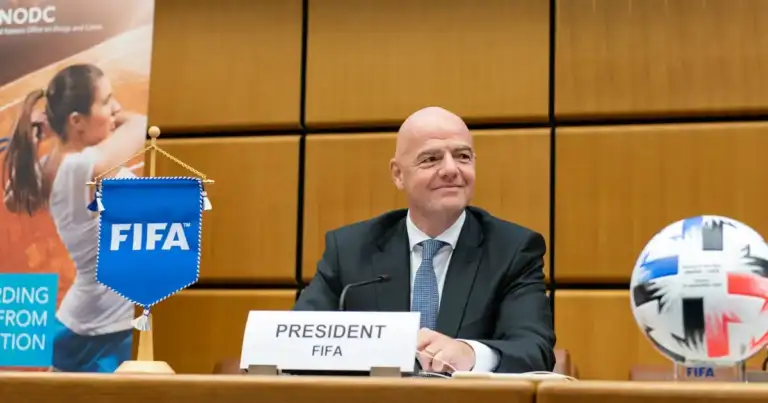
So, who stands to gain from such a grand deception? The finger of blame points squarely, inevitably, at FIFA. The argument is simple, brutal, and compelling.
The global governing body had an almost existential interest in Messi finally hoisting that golden trophy. Imagine the narrative: the culmination of a legendary career, global appeal skyrocketing, a legacy cemented for eternity. The 2022 final, watched by an estimated 1.5 billion viewers, was pure commercial gold for FIFA.
A Messi triumph wasn’t just a good story. It was a blockbuster movie. It was a marketing dream.
Of course, the counter-argument, predominantly from Argentina supporters, dismisses these claims. They call them nothing more than bitter ‘sour grapes.’ They vehemently insist Argentina earned every single penalty.
They argue Messi’s unparalleled ability to drive into the box and draw defenders simply resulted in legitimate fouls. And what about VAR? Was that not the technological safeguard meant to ensure unimpeachable fairness?
Any controversial call, they contend, is simply part of football’s inherent, beautiful, infuriating subjectivity. It’s a game played by humans, officiated by humans, prone to human error. Not a grand conspiracy.
Even so-called ‘neutral’ analysts, while acknowledging the unusually high number of penalties, often fall back on familiar refrains. They attribute it to Argentina’s relentless attacking style. They also cite Messi’s almost supernatural ability to draw defenders like moths to a flame.
They argue that refereeing decisions are always debated. Contentious calls are simply part of the game’s fabric. They do not, by definition, prove a ‘rigged’ outcome.
But does that explanation truly satisfy the nagging doubt? Or does it merely paper over the cracks?
Why the Fear Among England Fans Now?
The timing of this renewed outrage, this sudden clamor to re-litigate 2022, is no accident. It’s a precision strike. With the 2026 World Cup now casting its long shadow, old wounds are not merely reopened; they are actively prodded.
Rival fan bases, particularly England’s notoriously vocal contingent, are weaponizing these past incidents. They’re not just expressing ‘pre-emptive concerns’ about potential biases. They are launching a full-scale psychological assault aimed squarely at influencing the future.
This isn’t about revisiting history. It’s about rewriting the script for tomorrow.
The Art of Pre-emptive Strike
Make no mistake: England fans aren’t just whining. Nor are they simply nursing old grievances. They are engaging in sophisticated psychological warfare.
They meticulously craft a narrative suggesting FIFA, ever the puppet master, might once again pull strings. This could be for a global icon or a commercially advantageous nation. This is a pre-emptive strike, a calculated gambit.
Its aim is to heap immense pressure on officials and shape public perception. Why? To protect their own team, of course. This provides a ready-made excuse should their inevitable quarter-final exit unfold.
More ambitiously, it’s to subtly influence the officiating in their favor.
This isn’t merely about fairness, or the sanctity of the beautiful game. This is about power. This is about control.
And, most brutally, this is about money. A popular winner – a Messi, a Ronaldo, a marketable superstar – doesn’t just boost ratings. It ignites merchandise sales, fuels sponsorship deals, and elevates the sport’s global profile.
Source: Google News