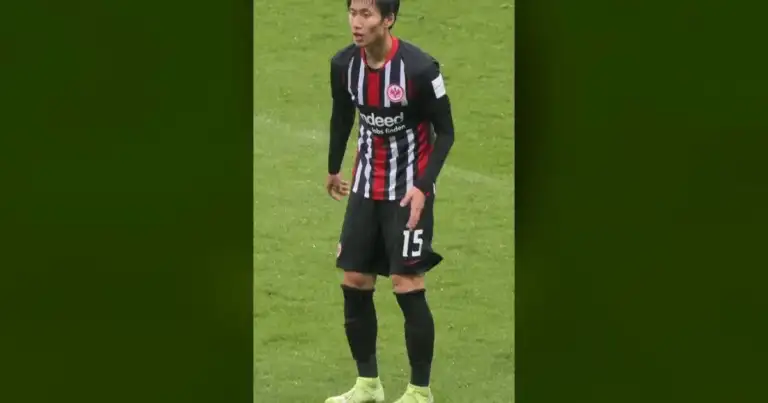

From the intense atmosphere of NRG Stadium in Houston, where the humid Texan air crackled with anticipation, Japan delivered not just a goal, but a seismic shockwave across the footballing world. Daichi Kamada’s 92nd-minute equalizer against the Netherlands wasn’t merely a statistic; it was a defiant roar, a pure, unadulterated shot of “Samurai Spirit” piercing the very heart of the Oranje.
The 2026 FIFA World Cup, barely underway, exploded with drama on June 13, 2026, in Houston. NRG Stadium bore witness to a 1-1 draw that, for Japan, felt like a glorious triumph, while for the Netherlands, it was an agonizing, soul-crushing gut punch.
For 58 agonizing minutes, the Dutch believed they had secured a comfortable three points after Memphis Depay’s clinical 34th-minute penalty. But Japan, embodying their fabled resilience, refused to yield.
Deep into stoppage time, in the 92nd minute, a precise corner from the mercurial Takefusa Kubo found the towering Kamada. He rose above the Dutch defense with an almost preternatural leap, striking his header with the force of destiny.
The ball found the net, silencing half the stadium and igniting the other. Game tied. History, once again, rewritten.
Japan’s Never-Say-Die Attitude Stuns the Oranje
This wasn’t merely a point salvaged; it was a thunderous statement echoing across continents. Japan, often underestimated on the grandest stage, once again proved they are no mere participants, but formidable contenders. Their fabled “Samurai Spirit” isn’t just a marketing slogan; it’s a tangible force, a collective will that defies logic and expectation.
Coach Hajime Moriyasu, a man who understands the tactical chess of international football, executed a masterstroke of second-half substitutions. He unleashed his attacking cavalry, a bold, almost reckless gamble that paid off handsomely. The belief within his squad, a quiet confidence forged in countless battles, never once wavered, even as the clock ticked relentlessly against them.
“We fought until the very end. Even when we were down, we believed we could get something from this game. To score for my country, in the World Cup – it’s an incredible feeling. This point means everything for our journey.”
— Daichi Kamada, Japan Midfielder
For Daichi Kamada, already a player of considerable talent, this goal will undoubtedly send his market value soaring into the stratosphere. It doesn’t just cement his status; it elevates him to a national hero, a name whispered with reverence in every izakaya from Tokyo to Osaka.
Japan’s history of giant-killing isn’t some distant memory; it’s a recurring nightmare for the established footballing powers. Remember the seismic shocks of 2022, when Germany and Spain, titans of the game, crumbled before their relentless energy?
The Netherlands, to their eternal chagrin, just received a bitter, undeniable taste of that very same, potent medicine. When will the world learn to stop underestimating them?
This draw isn’t just a point on the board; it’s a colossal injection of psychological momentum, a validation of Moriyasu’s audacious tactics and the players’ unyielding spirit. It transforms their narrative, making their path to the coveted knockout stages not just clearer, but seemingly destined. They walk taller now, knowing they can stand toe-to-toe with anyone.
Dutch Delight Turns to Despair
For the Netherlands, this wasn’t merely a setback; it was an unmitigated disaster, a public humiliation on the global stage. Manager Louis van Gaal, a man known for his unwavering conviction, was visibly fuming, his usually stoic demeanor shattered as he watched three crucial points evaporate into the humid Houston night air.
The statistics paint a picture of Dutch dominance, a cruel irony given the final score. They commanded the game for long, comfortable stretches, boasting 60% possession – a clear indicator of their technical superiority.
Their attack generated more meaningful chances, registering 5 shots on target to Japan’s 3, and their expected goals (xG) were nearly double Japan’s. By all logic, by all footballing metrics, they should have closed it out. How could they let it slip?
“It’s frustrating, very frustrating. We had the game in our hands. We should have seen it out. A moment of lapse.”
— Louis van Gaal, Netherlands Coach
That “moment of lapse” was, in truth, a catastrophic defensive breakdown from a routine corner kick – a cardinal sin at this elite level of competition. It’s not just unacceptable; it’s unforgivable.
Van Gaal, a tactical mastermind, now faces uncomfortable questions about his team’s focus and resilience. This result isn’t just a dropped point; it’s a seismic shift, placing immediate, suffocating pressure on his squad and potentially derailing their entire tournament trajectory.
Dropping two points against a team they undoubtedly expected to dispatch with ease doesn’t just change the group dynamic; it fundamentally alters their World Cup destiny.
Now, the luxury of a comfortable group stage is gone. They don’t ‘might’ need wins; they must secure maximum points in their next two matches.
Top spot in Group E, once seemingly assured, is now a desperate necessity, crucial for avoiding a brutal, potentially tournament-ending Round of 16 draw against a group winner.
The Corner Kick Conundrum: World Cup Fortunes Defined
This match, if nothing else, served as a brutal, unforgiving masterclass in the often-underestimated power of set pieces. A single, perfectly executed corner kick didn’t just alter the scoreline; it fundamentally reshaped the entire dynamic of Group E, sending shockwaves through the tournament. Teams don’t just ‘spend hours’ perfecting these plays; they dedicate entire training sessions, knowing that in the high-stakes theatre of the World Cup, a moment of magic or madness from a dead ball can be the difference between glory and despair.
Japan, with their relentless drive, earned 6 corners to the Netherlands’ more meager 4. As the footballing gods often dictate, only one of those six was all they needed.
It’s a stark reminder: even when outmaneuvered in open play, when the passing lanes are stifled and possession is fleeting, a single, incandescent moment of brilliance from a set piece can completely swing the pendulum of fate. It’s the beauty and the brutality of this beautiful game.
Across the globe, neutral observers are not just buzzing; they are roaring with delight. This is precisely why we adore the World Cup: the raw, unpredictable drama, the audacity of the underdog, the gut-wrenching realization that absolutely no lead is safe until the final whistle echoes through the stadium.
For Japan, this draw is more than a point; it is a thunderous declaration, a statement of intent that will resonate throughout the knockout stages. For the Netherlands, however, it’s a stark, painful, and potentially catastrophic warning.
The tournament has barely begun, and Group E, once seemingly predictable, is now a chaotic, wide-open battleground. The Oranje must now confront their demons, tighten their defensive resolve, and rediscover their legendary composure, or this single ‘moment of lapse’ will not merely haunt them – it will define their entire, regrettable World Cup journey.
Source: Google News