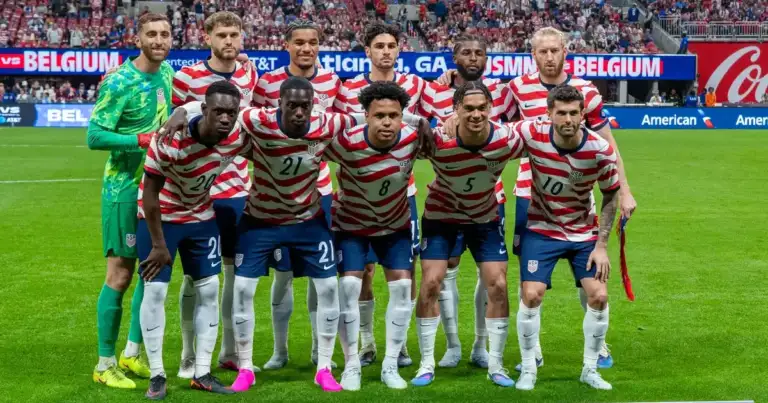

The American soccer machine is cranking the “Road to Glory” narrative into overdrive after the USMNT dismantled Paraguay 4-1 on June 11th. In Orlando, Florida, at Exploria Stadium, Captain Christian Pulisic led the charge as the Yanks put on a show of what the commentators are already calling “burgeoning offensive power and tactical cohesion.” Let’s be clear: it was a win, a good win, but before you start printing “World Champions” t-shirts, let’s inject a dose of hard reality into this Orlando sunshine.
The Echo Chamber of American Hype
For weeks, the drumbeat has been relentless: “Road to Glory,” “Statement of Intent.” Every talking head, social media pundit, and casual fan is ready to crown this USMNT generation as American soccer’s saviors.
A 4-1 thrashing looks impressive on paper. It fuels optimism, sells tickets, and generates the buzz federations crave, especially with a co-hosted World Cup just around the corner.
The scoreline suggests dominance, a team hitting its stride, a well-oiled machine ready to take on the world.
But let’s pull back the curtain, shall we? This was Paraguay. A proud footballing nation, yes, but not exactly a perennial World Cup contender in recent cycles.
They are a decent litmus test, a good opponent for a warm-up. However, they are hardly the kind of heavyweight that truly gauges a team’s readiness for the brutal demands of a FIFA World Cup.
While the USMNT displayed flashes of brilliance, particularly in attack, the real question is always: against whom? European powers don’t break down so easily. South American giants don’t fold after one Pulisic run.
Beyond the Scoreline: What’s Really Happening
The tactical cohesion is there, no doubt. The system is taking shape, and individual talents are undeniable. Pulisic, clearly a leader, is stepping up.
A generation of American players is gaining valuable experience in top European leagues; that’s a genuine positive. This isn’t the USMNT of old, relying solely on grit and athleticism.
There’s a genuine footballing intelligence developing: an ability to pass, move, control possession, and create opportunities. These are all undeniable steps forward.
However, the “Road to Glory” narrative, while intoxicating, risks obscuring finer details. Were there defensive lapses a stronger opponent would have punished? Was the midfield truly dominant for 90 minutes, or did Paraguay still carve out chances?
These are the questions that matter when preparing for the biggest stage in sports. Margins are razor-thin there, and every mistake is magnified a thousand times over.
The danger of a dominant warm-up win is breeding a false sense of security. It can mask vulnerabilities that will be mercilessly exploited when the real tests arrive.
“The hype train is leaving the station, full speed ahead. But are we checking the tracks for debris, or just admiring the view from the window?”
The Red Marker Verdict
Let’s be blunt: the “Road to Glory” isn’t just a sporting ambition; it’s a meticulously crafted marketing campaign. The US Soccer Federation, alongside their co-hosts, needs a compelling narrative.
This narrative generates maximum excitement, sells out stadiums, and attracts lucrative sponsorships for the 2026 World Cup. A dominant win against Paraguay, framed as a “statement of intent,” is precisely the kind of content that feeds this machine.
It’s about building a domestic groundswell of enthusiasm. The goal is convincing the casual American sports fan that this team is not just competitive, but on the cusp of something truly special.
The financial stakes are astronomical. A successful, popular home team is the golden ticket.
While players genuinely strive for success on the pitch, the “Road to Glory” is also a very calculated, profitable PR strategy. It’s designed to put butts in seats and eyes on screens, ensuring host nations maximize their return on investment.
Don’t confuse the genuine talent on the field with the manufactured narrative designed to line pockets. The win was good, but the story being spun around it serves a far broader, more cynical purpose.
Source: Google News