
Forget the romantic notion of football transfers; this isn’t a game of chess, it’s a bloodsport, a gladiatorial arena where club legacies are forged or shattered on the anvil of financial folly and desperate gambles. This week, the European market has delivered a brutal triptych of truth: Milan, teetering on the precipice of desperation, eyes the injury-plagued Gabriel Jesus; Roma, in a move that borders on the morally bankrupt, continues its unsettling pursuit of Mason Greenwood; and Lazio, against all odds, offers a rare glimmer of sanity by finally locking down Mattia Zaccagni. These aren’t just player movements; they are seismic shifts in balance sheets, salary cap nightmares, and reputation-defining decisions that will echo through the hallowed halls of these institutions for generations.
Milan’s Desperate Hunt: The Gabriel Jesus Gamble
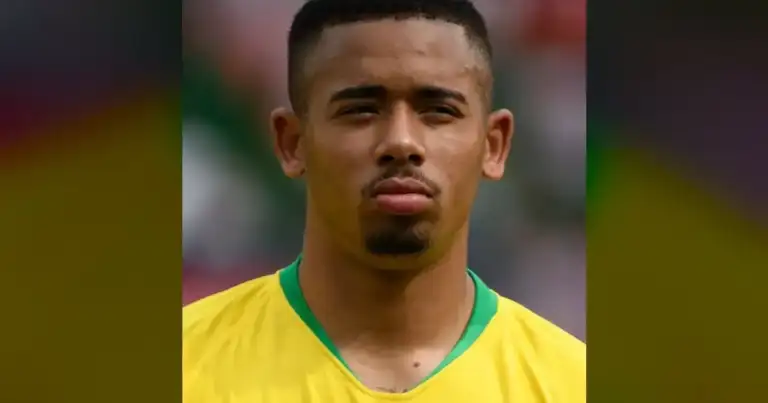
The Rossoneri are crying out for a prolific striker, a true number nine to lead their line. And in their desperation, AC Milan appears poised to gamble on Gabriel Jesus, a move that smacks more of wishful thinking than shrewd business. Arsenal, keen to offload a significant wage burden and reinforce their own attack, has signaled their willingness to part ways with the Brazilian this summer.
Jesus arrived at Arsenal for a princely £45 million in 2022, a fee that now looks like a painful relic of optimism. Since then, his tenure has been a cruel saga of recurring knee issues and frustrating sidelines.
His last completed season (2023-24) saw a paltry return of just 8 goals and 5 assists across all competitions – hardly the output of a top-tier striker. Milan needs a goal machine, a guaranteed return on investment. Is Jesus, a player whose body seems to betray him as often as he finds the net, truly that man? Or is this a desperate, cut-price deal for a player whose best years might already be behind him?
His current Transfermarkt valuation sits at a generous €50 million, but whispers from London suggest Arsenal would be content with a mere €30-40 million. This isn’t just a markdown; it’s a stark admission of diminished value for a player once deemed a star.
Milan’s management must weigh the enormous risk of a high-salary, injury-prone asset against the potential, fleeting reward. Can they truly afford to gamble significant funds and a crucial roster spot on a player who has consistently failed to deliver the consistent output a club of Milan’s stature demands? This isn’t just a transfer; it’s a potential financial anchor dragging down future ambitions.
Roma’s Reckless Pursuit: The Mason Greenwood Conundrum
Meanwhile, in the Eternal City, AS Roma’s sporting director, Florent Ghisolfi, is making a statement – one that could irrevocably tarnish the club’s soul. Roma continues to monitor Mason Greenwood, a player Manchester United is hell-bent on selling this summer.
While Juventus and Napoli are reportedly in the mix, Roma’s persistent interest is alarming. Greenwood’s loan spell at Getafe, with 10 goals and 6 assists, proved his undeniable talent, a talent that screams potential on the pitch.
But at what cost? His off-field baggage is not merely immense; it’s a colossal shadow that threatens to engulf any club that dares to embrace him. Manchester United has made it unequivocally clear he will not return to Old Trafford.
His market value hovers around €30-40 million, a sum that represents not just a player’s worth, but a club’s willingness to sacrifice its moral standing for perceived on-field gain. Roma needs attacking firepower, yes, but does it need the inevitable media firestorm, the alienation of fans, the potential flight of sponsors, and the erosion of its brand identity that this move would guarantee?
Ghisolfi’s prioritization of performance above all else chillingly reveals the cold, calculating nature of modern football management. Is his talent truly worth the profound damage to Roma’s image, its history, and its very connection with its supporters? This isn’t just a gamble; it’s a reckless descent into a public relations nightmare that could backfire spectacularly, leaving the club’s reputation in tatters for years to come.
Lazio’s Lifeline: The Zaccagni Masterstroke
Amidst the chaos and moral quandaries, a rare beacon of sensible management shines from Lazio. After months of agonizing, protracted negotiations, Mattia Zaccagni is finally set to sign a new long-term contract, a deal that will see him commit his future to the Biancocelesti until at least 2030. This is not just a player retention; it’s a victory for stable, forward-thinking club leadership.
His previous deal was set to expire in June 2027, a ticking time bomb that could have seen a key attacking talent walk away for free, a catastrophic financial blunder so common in this market. The new agreement includes a significant wage increase, pushing his earnings to around €3 million per season, a figure that appropriately reflects his crucial importance to the team. Zaccagni’s contribution of 7 goals and 4 assists last season underscores his value, and securing him prevents a costly search for a replacement.
This isn’t flashy, it isn’t controversial, but it is smart business. By locking down Zaccagni, Lazio has provided crucial stability for manager Igor Tudor to build for the future, ensuring a foundational piece remains in place.
In a transfer market overflowing with uncertainty, desperate gambles, and questionable ethics, Lazio has demonstrated how to manage an asset correctly, sending a clear message of ambition and competence to its loyal fanbase. This demonstrates the power of strategic planning over impulsive reaction.
The European transfer market is a brutal arena, a proving ground for the competence and morality of club management.
Milan flirts with financial peril and an injury-prone striker. Roma risks its very soul for a player whose baggage threatens to overshadow any on-field brilliance. And Lazio, refreshingly, offers a blueprint for how to do business right, securing an asset and building for a sustainable future.
These decisions transcend the mere game; they are about financial solvency, the sacred bond with supporters, the club’s reputation, and ultimately, the very essence of a franchise. The stakes could not be higher.
Will these clubs rise to the challenge, or will their desperate gambles condemn them to a future of regret and ignominy?
Photo: Julia Engel
Source: Google News