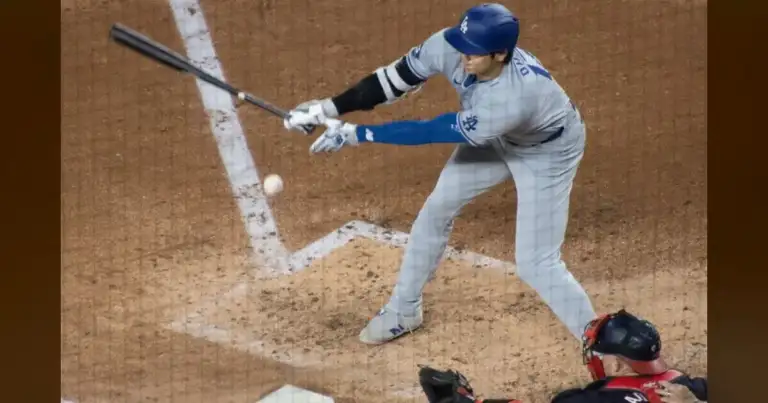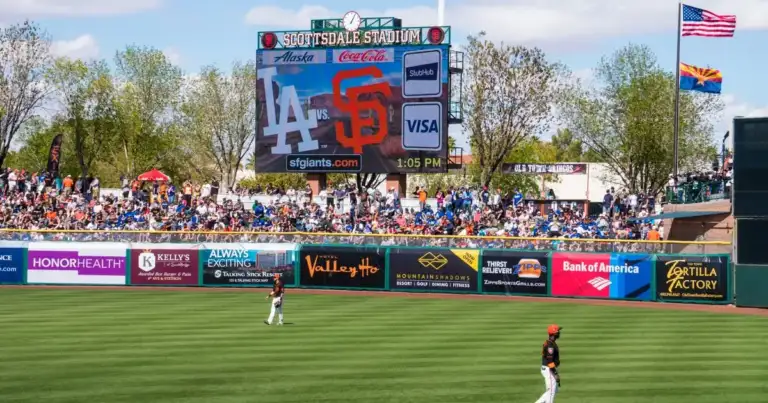

Another May, another gut-punch from the San Francisco Giants, who just proved they’ve learned nothing about building a winning offense. This team’s bats flatlined in spectacular fashion, delivering a dismal three-game sweep at Oracle Park by the arch-rival Dodgers. The final tally? A pathetic four runs scored by the Giants across three games, while the Dodgers ran wild with 12 runs. This isn’t just a slump; it’s a regression to the mean of offensive futility, and it’s costing this franchise dearly.
Fans, who are paying premium prices for what feels like Triple-A baseball, watched in disbelief as their club mustered a measly 1.33 runs per game. This isn’t just bad baseball; it’s an insult to the unwritten rules of competitive play and a direct assault on the team’s long-term financial health.
The Anatomy of an Offensive Collapse
The series, from May 11-13, 2026, was an absolute embarrassment, a prime example of what happens when a team forgets how to consistently put the ball in play. The Dodgers didn’t just walk all over them; they waltzed. On May 11, the Giants managed a single run, a solo shot by Luis Matos in the 5th inning. A lone wolf against an army, and a predictable outcome.
May 12 delivered a shutout. The pitching, led by Kyle Harrison, did its job, tossing six scoreless innings. But what good is a stellar pitching performance when the offense gives him zero support, mustering only three hits? This isn’t how you win baseball games, and it’s certainly not how you develop young arms or keep a clubhouse from festering with frustration.
The final game, May 13, offered a flicker of hope. The Giants took an early 2-0 lead, thanks to an RBI double from Marco Luciano. But the Dodgers responded, tying it and pulling away with a decisive three-run 6th inning.
The Giants’ bullpen, under pressure from a perpetually anemic offense, couldn’t hold. Their bats went silent again, a predictable capitulation. This isn’t a pattern; it’s a blueprint for failure, etched in the team’s DNA.
The Cold, Hard Math of Futility
Forget the “feelings” or the “narratives.” Let’s look at the numbers, because these figures are not debatable, and they paint a grim picture for any front office looking at future payrolls and fan engagement.
- Runs Scored in Series: Giants: 4 runs. Dodgers: 12 runs. A 3-to-1 disadvantage.
- Team Batting Average (Series): The Giants hit a paltry .185. That’s 13 hits in 70 at-bats. You can’t win in the big leagues hitting like that.
- On-Base Percentage (Series): A dreadful .240 OBP. No baserunners, no runs. It’s not rocket science.
- Strikeouts: Giants batters struck out a staggering 28 times. That’s over 9 strikeouts per game. What happened to putting the ball in play?
Manager Bob Melvin, who has seen his share of winning clubs, sounded understandably frustrated. He was quoted saying,
“We’re just not getting the timely hits. We’re seeing good pitches, but we’re not driving them when it counts.”
That’s a diplomatic way of saying the hitting philosophy is broken, and the players aren’t executing. Veteran LaMonte Wade Jr., always honest, admitted,
“It’s tough when you know the pitching is battling, and we can’t give them support.”
What else is there to say? The pitching staff is being hung out to dry, a recipe for disgruntlement and declining performance.
The Echo of Failure and Its Financial Fallout
This isn’t new for the Giants. This “old way” refers to years of offensive futility that plagued this franchise from 2015-2020.
The magical 2021 season, when they won 107 games with a surprisingly potent lineup, now looks like nothing more than a mirage. It seems that was just a fluke, an anomaly firmly corrected by the cold hand of reality.
This team is now a dismal 18-22, sitting a distant 4th in the NL West, already 8.5 games behind the Dodgers. This isn’t just about three losses; it’s about a franchise regressing, wasting valuable pitching performances, and, most critically, undermining the front office’s long-term vision and financial investments. How do you justify massive contracts or future free-agent spending when the core product on the field is this uninspired?
Fans are, rightly, furious. They’re paying Oracle Park premium prices for what feels like Triple-A baseball, and the sentiment online is brutal. One Reddit user, cited by Reuters, posted, “He’s either a masochist or the front office leak.” That’s the kind of trust this team is building. They’re calling out “nightly offensive collapses,” and who can argue? This isn’t just about a manager or a few players; this is about the entire roster construction, the very foundation of the team’s payroll. Where are the power bats? Where is the consistent run production? The Giants are relying on pitching and defense, just like the old days, but without runs, that strategy only gets you so far before the revenue streams start to dry up.
The consequences of this offensive black hole go far beyond the scoreboard. This impacts ticket sales directly, hitting the bottom line. It crushes fan morale, turning loyalists into cynics.
Perhaps most damaging for the future: it makes free agents think twice. Who wants to sign a multi-year deal with a team that can’t score, a team content to watch its pitchers duel in vain?
This isn’t just a bad series; it’s a flashing red light for the future of the San Francisco Giants. It threatens to derail their entire financial and competitive strategy.
The front office needs a hard, honest look at what they’re building. If this is the “new old way,” fans have every right to demand answers and a dramatic shift in direction before this franchise truly collapses.
Source: Google News