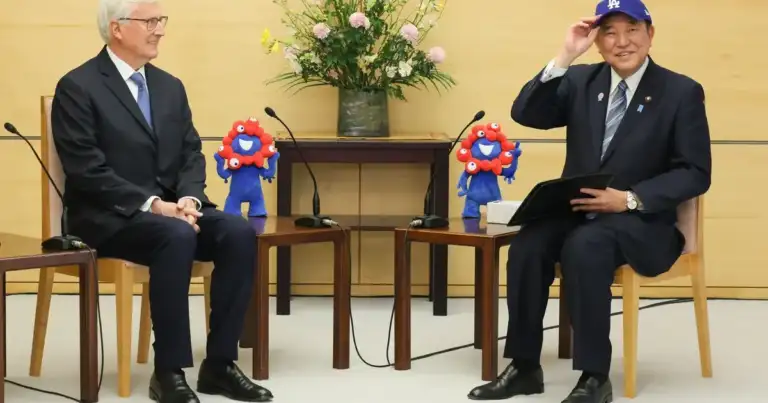

Shohei Ohtani, baseball’s golden boy, is getting a rest day. The Los Angeles Dodgers are sitting their superstar slugger.
This isn’t about injury; it’s a “mental reset” for a struggling hitter. Manager Dave Roberts confirmed Ohtani will be out on Wednesday, May 13, 2026.
This decision follows a noticeable dip in Ohtani’s offensive production. He went a combined 1-for-9 with five strikeouts in recent games.
His season batting average now sits at .248. His OPS is .785, down significantly. His May strikeout rate soared to 28%.
The Weight of the $700 Million Tag
This “rest” is less about Ohtani and more about the Dodgers’ massive investment. They handed him a $700 million contract. That kind of money brings immense pressure.
You don’t just “rest” a player who carries that weight. You expect him to grind through it.
Fans are rightly concerned. Ohtani’s slump impacts the team’s World Series hopes.
The Dodgers’ record is 3-4 when he struggles. This isn’t just a minor blip. It’s a crisis for a team built to win now.
Elbow or Just a Common Slump?
The real question everyone’s asking is about his elbow. Is this slump tied to his second major elbow surgery in September 2023?
He hasn’t pitched in 2024 or 2025. While cleared to hit, any major surgery can have subtle, indirect effects. It can throw off an athlete’s kinetic chain.
The Dodgers insist there’s no direct physical link. Their medical staff reports no pain. Ohtani himself has made no complaints.
Roberts called it a “mental and physical reset.” That sounds like soft talk to me.
Most hitters go through slumps. It’s a normal part of the game. They don’t get benched for it.
Even the game’s most elite hitters, including Ohtani in previous seasons, experience periods of struggle. These slumps are often about timing. They are about pitch selection.
Or they are about minor mechanical adjustments. They are usually not about underlying physical injury.
This decision reflects a cautious, data-driven approach. It aims to prevent prolonged downturns. But what about the mental toughness?
What about the grit forged by playing through it? Angels-era purists already grumble he’s “softened” post-$700 million deal. This move only fuels that fire.
Roberts’ Coddling Strategy
Roberts claims this move is proactive. He wants to ensure Ohtani’s “long-term benefit.” This is the first time Ohtani has missed a game for non-injury reasons.
It’s a clear signal from the front office. They are protecting their $700 million asset.
But are they doing Ohtani any favors? Playing through adversity builds character. It teaches you how to fight.
Benchings teach you to rely on others. It can foster a soft mentality.
The “mental reset” narrative is too easy. It glosses over the real issue. Ohtani needs to make better contact.
He needs to be more selective. That comes from repetition.
It comes from staying in the lineup. It does not come from sitting on the bench.
This is the kind of analytics-driven decision that grinds my gears. Teams overthink everything. They treat players like delicate machines.
Baseball used to be about raw talent and sheer will. Now it’s about “load management” and “mental resets.”
The Optics and the Unwritten Rules
This benching goes against the unwritten rules of baseball. Superstars play every day. They earn their keep.
They don’t take “personal days” for being in a rut. It sends a bad message to the rest of the clubhouse.
It also suggests a lack of confidence. If Roberts truly believed Ohtani would “come back strong,” he’d let him fight through it.
This looks like a panic move. It looks like the Dodgers are worried.
The pressure on Ohtani is immense. His contract demands performance. But giving him a pass won’t fix his swing.
It might just delay the inevitable. Or worse, it might make him question himself.
“Shohei has been grinding, and we feel a day off will do him good,” said manager Dave Roberts. “It’s not a performance-based benching, but more about giving him a mental reset. We have full confidence he’ll come back strong.”
“Grinding” means playing, not sitting. Confidence comes from overcoming, not from being handed a break.
This isn’t a masterclass in management. It’s a surrender to the modern, soft approach.
The Dodgers are playing a dangerous game here. They are setting a precedent. Every player will expect a “mental reset” now.
This isn’t old school baseball. This is a business decision. A very expensive one.
Ohtani needs to find his swing, and the Dodgers need to let him do it in the box. This benching is a bad sign. It hints at deeper issues than just a normal slump.
It’s a soft approach to a tough game. Real champions don’t sit out their struggles; they conquer them.
Source: Google News