
Forget the box score: the San Francisco Giants didn’t lose to the Arizona Diamondbacks 5-3 on May 19, 2026. They gifted them the game. This wasn’t a defeat; it was an act of organizational malpractice.
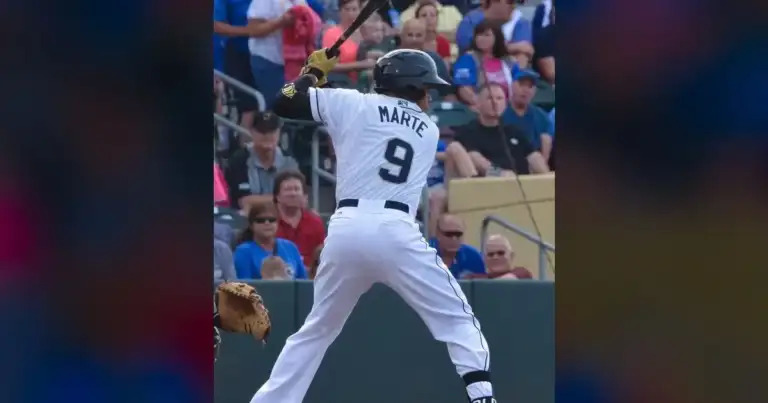
The Giants delivered a gut punch to themselves, choking away a 3-1 lead in the ninth inning at Chase Field. Ketel Marte‘s three-run walk-off home run was merely the final, humiliating receipt for a colossal failure to finish.
Giants’ Implosion: A Costly Lack of Killer Instinct
Logan Webb, the ace, did his job and then some. He went 7.0 masterful innings, surrendering a mere one earned run on four hits. That’s a performance you pay top dollar for.
This classic pitcher’s duel, by all rights, should have been a guaranteed win. Webb earned his decision; the bullpen and coaching staff squandered it.
LaMonte Wade Jr. even chipped in with a solo home run, giving them a cushion. The Giants had control, the lead, and every single advantage. Then, the ninth inning arrived.
Like a rookie outfielder dropping a routine fly ball, everything fell apart.
A four-run implosion in the ninth, capped by Marte’s blast, sealed their fate. Don’t tell me this was bad luck; that’s an excuse for losers. This was bad execution, period.
It reveals a fundamental lack of killer instinct, a mental softness that has no place in professional baseball. This isn’t just a loss; it’s an indictment.
The Real Price of Blowing a Lead
A loss like this isn’t just one tick in the ‘L’ column; it’s a poison seeping into the entire organization. What message does it send to a pitcher like Webb, or to the position players who scratched and clawed for those three runs over eight innings?
It tells them their effort is disposable, their hard work meaningless if the guys behind them can’t close the door.
This isn’t just about confidence; it’s about trust. It makes the clubhouse question the very leadership, both on the field and in the dugout.
The front office isn’t just evaluating ‘mental fortitude’; they’re looking at dollars and cents. They’re asking if they’re paying good money for pitchers who fold under pressure.
Every blown save, every late-game collapse, isn’t just a statistic; it’s a direct hit to the bottom line. Fans aren’t paying $50 for a ticket and $15 for a beer to watch a team crumble in the ninth.
They pay for a winning product, for the thrill of victory. A team that can’t close games will watch its attendance figures, merchandise revenue, and overall market value steadily decline.
Beyond the immediate financial hit from disheartened fans, there’s long-term damage. Free agents, especially high-leverage bullpen arms, pay attention to these kinds of meltdowns.
Why would a top-tier closer, commanding north of $15 million a year, sign with a club that routinely squanders leads? It makes their own stats look worse and their job infinitely harder.
This isn’t just about winning; it’s about attracting talent, and talent doesn’t want to play for a team that can’t finish.
Manager on the Hot Seat?
When you squander an ace’s masterful performance, the spotlight immediately swings to the dugout. Who did the manager trot out for that ninth-inning disaster? Why that arm?
What were the conversations, the analytics-driven decisions, that led to such an epic failure? This isn’t a game of chance; it’s a game of calculated risk, and in this case, a risk that blew up spectacularly.
This isn’t complicated. You simply cannot give away games like this. It’s one of the oldest, most sacred unwritten rules of baseball: protect your lead.
Your ace gives you a chance, you protect it. Period. The manager’s primary job in those late innings is to deploy his relief pitchers effectively.
They must be not just ‘ready’ but mentally tough for high-pressure situations. Clearly, that wasn’t the case here.
This loss doesn’t just ‘expose weaknesses’; it rips the band-aid off a festering wound in the bullpen. It highlights glaring gaps in roster construction, a failure by the front office to acquire reliable, late-inning arms.
Now, the general manager, whoever is responsible for this bullpen mess, has a five-alarm fire on their hands.
And fixing this isn’t cheap. The front office will likely need to spend big – potentially overpaying – for a proven closer or high-leverage reliever at the trade deadline or in the next free agency period.
That’s millions of dollars that weren’t budgeted, eating into future salary cap flexibility. It could also prevent other necessary acquisitions. This means tough, cold decisions on current personnel, players who might find themselves on the trade block or outright released.
They couldn’t do the one thing they were paid to do: close out a ballgame.
The Echoes of a Devastating Defeat
This wasn’t some analytics-driven fluke, a random variance in expected outcomes. This was good old-fashioned baseball, poorly played, poorly managed, and poorly executed at the most critical moment. It’s a fundamental failure to finish the job, a betrayal of the game itself.
The Giants don’t just need to look in the mirror; they need to take a long, hard look at their organizational philosophy. They absolutely cannot afford these kinds of collapses, not if they harbor any serious delusions of being taken seriously as contenders. Contenders close games.
This defeat will sting, and it should sting. It should force brutal, uncomfortable conversations in the dugout, in the manager’s office, and certainly within the front office. A team that routinely demonstrates it can’t close games isn’t just a bad team; it’s a financially irresponsible one, destined for mediocrity and fan apathy.
The Giants must address this mental fragility, this organizational weakness, and this blatant disregard for the unwritten rules of finishing a game, immediately. Otherwise, this 5-3 collapse won’t just be a costly mistake; it will be the blueprint for a season of disappointment, lost revenue, and ultimately, a front office scrambling to explain why they couldn’t get out of their own way. And that, folks, is a bill no fan should have to pay.
Source: Google News