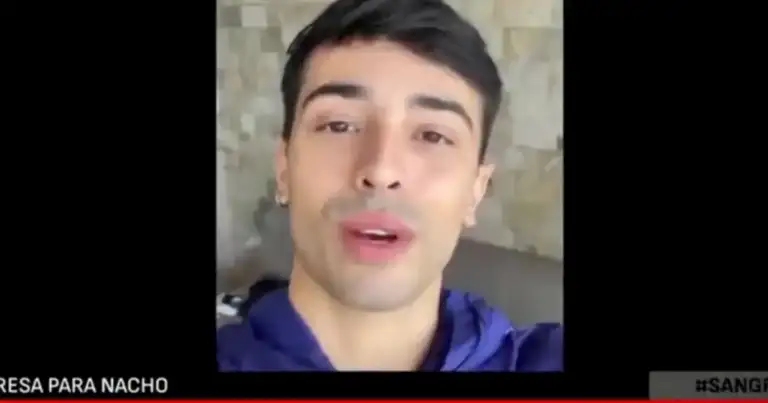

The “taboo-breaking” story of Nacho Lago isn’t just fantasy; it’s a monumental insult to the very concept of progress in sports. This isn’t a groundbreaking moment; it’s a cynical PR whisper, barely audible above the stadium noise, and utterly devoid of the seismic impact a true societal shift demands. The real scandal here isn’t Lago’s personal life, but the shocking indifference of a footballing nation, a supposed bastion of machismo, that didn’t even flinch. This isn’t a step forward; it’s a pathetic sidestep designed to create an illusion of change where none truly exists.
The Great Non-Event: Lago’s “Taboo” Flops with a Whimper, Not a Bang
This entire “Nacho Lago breaks a taboo” narrative is not just a joke; it’s an outright farce. A few fleeting likes on Instagram, a boilerplate club statement so generic it could apply to a new sponsorship deal – that’s the sum total of this supposed revolution. Where is the outrage? Where are the pitchforks, the vitriol, the fan protests that usually accompany any perceived deviation from the norm in the hyper-masculine world of Argentine football? They are conspicuously absent, and their silence screams volumes.
Why the deafening quiet? Because Nacho Lago isn’t a superstar; he’s a reserve player for Club Atlético Lanús, a 25-year-old midfielder with a paltry 12 career goals. This isn’t a seismic shift in the cultural landscape; it’s a ripple in a puddle, a fleeting digital echo that most fans scrolled past without a second thought. The timeline of this non-event is tragically telling:
- April 4th, 2026: Nacho Lago posts a photo with his boyfriend, Mateo, on Instagram. “Mi amor y yo. Siempre juntos.” A personal moment, shared.
- April 5th, 2026: Club Atlético Lanús issues a statement about inclusivity, devoid of any direct mention of Lago or his post. Corporate speak at its most disingenuous.
- April 6th, 2026: The internet collectively shrugs. The world moves on.
The media, in its insatiable hunger for drama, desperately tried to conjure a story where none truly existed. But the public, the actual fans who pour their souls into the beautiful game, simply don’t care about a mid-level player’s personal life when there are titles to be won and relegation battles to be fought. This was never about breaking a taboo; it was about the media attempting to manufacture one.
The Silence is Deafening: No Backlash, No Progress, Just Indifference
They want us to believe this is a brave, game-changing moment. But if Nacho Lago truly shattered a taboo, if he truly challenged the entrenched homophobia some claim exists, then where are the angry ultras? Where are the homophobic chants raining down from the stands? Where is the social media storm of vitriol and condemnation?
They are nowhere. The silence is deafening, not because Argentina has suddenly transformed into a progressive utopia, but because Lago isn’t a Lionel Messi or a Diego Maradona. He holds no real power, no significant sway over the hearts and minds (or wallets) of the footballing public. His coming out, while personally significant, carries no weight in the brutal calculus of professional sports.
The “story” is dead, buried under the weight of actual news: Champions League results, the relentless churn of transfer rumors, the endless speculation surrounding Messi’s future. This “taboo” was a ghost, a phantom limb of a problem that only existed in the minds of those desperate to declare a victory. It’s a hollow triumph, built on the quicksand of indifference.
The Illusion of Progress: A Cynical Ploy or Tragic Miscalculation?
Was this a genuine moment of courage, a heartfelt declaration? Or was it a calculated move, a desperate grab for relevance for a player languishing on a mid-table club? The club, Club Atlético Lanús, is hardly a global powerhouse. Did they need a distraction from their inconsistent form, their perpetual struggle to break into the top tier of Argentine football?
The facts, unvarnished and brutal, speak for themselves:
- Lago is a 25-year-old reserve midfielder, a cog in the machine, not the engine.
- He has a paltry 12 career goals, hardly the resume of a player who commands national attention.
- Significantly, major Argentine news outlets like Olé and TyC Sports, the undeniable arbiters of football discourse in the nation, are largely ignoring this as a lead story. Their silence is the most damning indictment of all.
This isn’t challenging the status quo; it’s barely a blip on the radar of a sport obsessed with performance and profit. It’s performative fluff, a fleeting moment of self-congratulation that ultimately changes nothing for the vast majority of LGBTQ+ individuals in sports.
The Real Taboo: Financial Insecurity for Out Players
The real taboo in Argentine football isn’t homosexuality; it’s financial vulnerability. It’s the terrifying prospect of being a player without leverage, without the star power to protect you from the brutal economic realities of the game. This is where the true courage lies, and where the real risk would be.
If a star player, a genuine icon with multi-million dollar endorsement deals and a global following, were to come out, the financial implications would be staggering. Endorsement deals would be renegotiated, club valuations could fluctuate, and the very fabric of the commercial sports world would be tested. That’s where the real power lies, and that’s where the true “taboo” would be shattered. The financial stakes are simply too high for those at the pinnacle of the sport.
But for Nacho Lago? The financial implications are minimal to non-existent. He’s not losing millions in endorsements he never had. No sponsor is pulling out of a deal that didn’t exist in the first place. This isn’t about money; it’s about the stark, brutal reality of a lack of it. His “courage” comes at a price he can afford because the market simply doesn’t value him enough to punish him.
The True Cost of “Courage”: A Mirror to Systemic Failure
They say Lago benefits from living authentically. Does he? Or does his story merely confirm a much darker truth: that only fringe players, those with the least to lose, can afford to be openly gay in the cutthroat world of Argentine football? Is this “progress,” or is it a stark reminder of how far we still have to go?
The LGBTQ+ community in Argentina deserves real heroes, players who genuinely risk everything and whose actions force a reckoning with prejudice. They deserve a story that goes somewhere, that sparks a movement, not a “taboo” that never truly existed in the eyes of the footballing establishment.
The Club Atlético Lanús statement was not just weak; it was a masterclass in corporate evasion. No direct support, no genuine affirmation, just platitudes about “respect, diversity, and inclusion.” These are empty words, hollow pronouncements designed to tick a box, not to champion a cause. They offer no protection, no genuine backing, and certainly no leadership.
The Unasked Questions: The Lingering Specter of Stagnation
The real questions, the ones that truly matter for the future of inclusivity in sports, remain stubbornly unanswered:
- Will this fleeting Instagram post actually change anything for other players struggling with their identity in the brutal world of professional football?
- Will the Argentine Football Association (AFA), a body notorious for its glacial pace of change, do anything real, anything substantial, to foster a truly inclusive environment? Or will they continue to hide behind vague statements and convenient silences?
- And the most critical question of all: Will a major star, a true titan of the game whose coming out would send shockwaves through the sport and beyond, ever dare to step forward?
Until these questions are met with concrete action and genuine change, this entire episode is just noise. It’s a manufactured moment, a cynical attempt to claim progress where none has truly occurred. It’s a “taboo” that nobody really cared about, and a “brave act” that cost nothing because its subject held no real power.
The game needs honesty. It needs transparency. It needs real courage, not just a fleeting Instagram post from a player nobody knows. This is not progress. This is an illusion, a cruel mirage in the desert of genuine change, and it’s an insult to everyone who truly believes in the power of sport to transform society.
Source: Google News