
Another day, another self-inflicted wound at Camp Nou. Barcelona, in a bewildering act of financial self-sabotage, is reportedly dragging its feet on a contract extension for the electrifying forward Raphinha.
This comes even as the colossal shadow of veteran striker Robert Lewandowski’s impending departure looms large. This isn’t just a mistake; it’s a catastrophic failure of foresight, revealing a front office seemingly allergic to sound long-term planning.
The whispers from the inner sanctum, now a deafening roar over the past 72 hours, confirm the club’s baffling stance.
This is happening despite unequivocal indications that Lewandowski, burdened by a staggering reported gross salary of €26 million per season, is being actively pushed towards the exit door. In any sane organization, the imminent loss of a prolific striker would elevate the value of another proven attacker.
At Barcelona, it appears to be an invitation to further devalue a key asset. Raphinha’s current contract, running until June 2027, should be a priority for extension, not an afterthought. Barcelona’s strategic ‘caution’ isn’t just a dangerous game; it’s a slow-motion car crash, exposing a pattern of mismanagement that this club, tragically, never seems to learn from.
The Lewandowski Exodus: A Self-Inflicted Wound
Lewandowski’s exit isn’t just creating a hole; it’s tearing a gaping chasm in Barcelona’s attacking prowess.
The Polish striker, despite his age, has been a consistent, albeit expensive, goal threat, a formidable presence whose sheer volume of goals often masked deeper systemic issues. His departure leaves a void not only in scoring but in the kind of veteran leadership that anchors a dressing room.
So, I ask, with insider authority: Who exactly does Barcelona expect to miraculously conjure 20+ goals out of thin air next season? A prayer and a dream? This is not how you build a dynasty; it’s how you dismantle one.
Raphinha, still only 27, is a proven talent. He offers blistering pace, dazzling skill, and a crucial goal-scoring ability from the wing. He is a direct, game-changing threat.
To ignore his contract situation now, to let it fester, is not merely reckless; it’s an act of profound negligence from a front office that seems more concerned with optics than with securing the club’s sporting future.
This isn’t about saving a few pennies today; it’s about actively crippling the team for tomorrow. Barcelona desperately needs stability, reliable attacking options, and a clear vision. Instead, they are actively undermining their own competitive edge and their future success.
Financial Follies: A Cycle of Self-Destruction
Barcelona’s financial issues are not just “well-documented”; they are a running joke in boardrooms across Europe. Yet, like a tragic Greek chorus, they keep repeating the same mistakes.
Letting Raphinha’s contract dwindle is a classic error, an economic blunder of the highest order. It systematically devalues the player, eroding his market worth and weakening Barcelona’s negotiating position with every passing month. Do they not understand the basic tenets of asset management?
Every tick of the clock without a new deal sees Raphinha’s theoretical market value plummet by millions.
Other elite clubs are not blind; they are circling like vultures, sensing weakness, waiting to pounce on a player who, by all indications, feels increasingly unwanted. Barcelona risks losing a valuable asset, potentially worth north of €60-70 million in a healthy market, for a cut-price fee or, worse, for free in a few years.
This is not how a world-class institution operates; this is desperation disguised as strategy, a tactic employed by financially mismanaged clubs, not by a global giant. The club’s ongoing financial restructuring demands smart, decisive decisions. This isn’t smart; it’s a short-sighted approach that will inevitably create more devastating problems down the line, further entrenching them in a cycle of mediocrity.
A Message of Disdain and Its Ripple Effect
What message does this send to Raphinha? It screams that he is expendable, that his tireless contributions are not valued, that the club sees him as a commodity to be discarded rather than an integral part of their future.
This isn’t just a slap in the face; it’s a public humiliation for a dedicated professional. Player morale, that intangible yet utterly crucial element, is the bedrock of any successful locker room.
Undermining a key forward, especially one who consistently delivers, will have profound ripple effects. Other players, current and prospective, will notice this treatment. It will make future contract negotiations even harder, tainting Barcelona’s allure.
Barcelona once prided itself on being the ultimate destination club, a footballing Mecca. Now, under this leadership, they are constantly shedding talent, alienating their stars, and watching their once-unassailable reputation take a severe hit on the global stage.
This club needs to get its house in order. They need to prioritize their best players, demonstrate genuine commitment, and stop making decisions that actively harm their competitive edge. The loyal, long-suffering fans of Barcelona deserve better than this constant chaos, this unending saga of mismanagement.
Barcelona’s leadership is not just failing its fanbase; it is actively betraying its players and its legacy.
This refusal to secure Raphinha’s future is an unforgivable blunder, a declaration of war on their own sporting prospects. When the goals inevitably dry up, when the trophies remain elusive, Barcelona’s leadership will have only themselves to blame for this catastrophic act of self-destruction.
The ghosts of past financial mismanagement are not just haunting Barcelona; they are actively dictating its disastrous present. This isn’t just a misstep; it’s a betrayal of the very essence of what makes this club legendary.
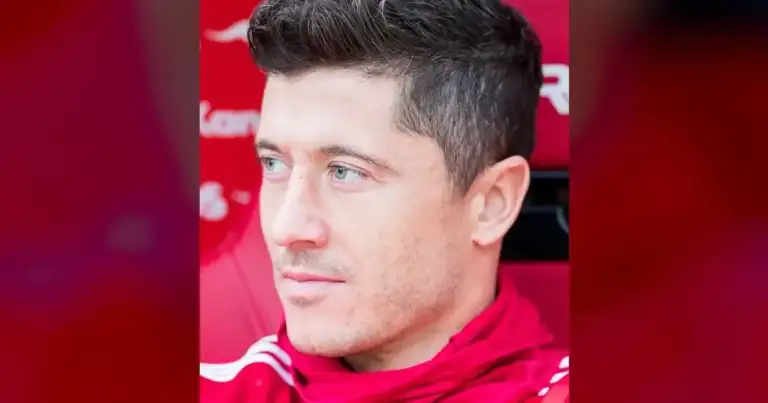
Photo: Sven Mandel, sven.mandel@wikipedia.de, all rights reserved.
Source: Google News