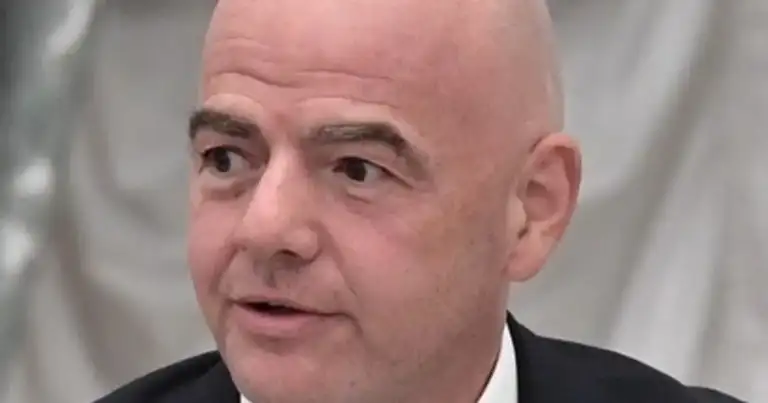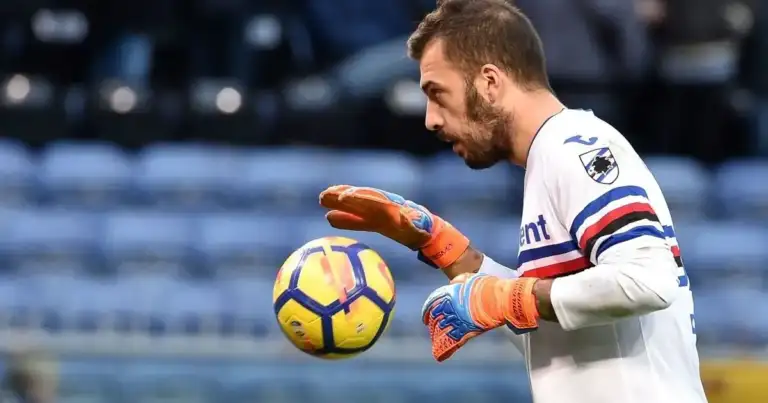

Emiliano Viviano’s brutal call for Gabriele Gravina to “emigrate” isn’t just an insult; it’s the guttural roar of a nation betrayed. Italy’s football, once the envy of the world, is now a decaying empire, and its emperor, Gravina, clings to power amidst the ruins.
This isn’t merely a bad stretch; this is a systemic collapse, a recurring nightmare where the Azzurri, for the second consecutive time, were nowhere to be seen at the 2022 World Cup. The echoes of that soul-crushing shame, amplified by Viviano’s prophetic words from March 2022, reverberate louder than ever. The 2-0 friendly win against Ecuador, a hollow victory, only serves to underscore the deep-seated rot.
The Unforgivable Shame: A Legacy Tarnished
The 2022 World Cup qualification debacle was not just an embarrassment; it was an unmitigated disaster that stripped away the last vestiges of Italian footballing pride. Losing to a nation like North Macedonia, a team with a fraction of Italy’s pedigree and resources, should have been the final, definitive wake-up call. Instead, it was a further descent into the abyss, marking the second consecutive World Cup Italy failed to qualify for—an unprecedented stain on a four-time champion’s legacy. This isn’t just bad luck; it’s a direct consequence of Gravina’s feckless leadership, a truth the fans see with crystal clarity.
How can a nation that boasts four World Cup trophies, a nation whose football is woven into its very cultural fabric, fall so spectacularly? The answer lies squarely at the feet of management that prioritizes self-preservation over progress, cronyism over competence. The historical weight of Italian football demands better, and Gravina’s tenure has been a relentless assault on that very history.
Gravina’s Reign of Error: Broken Promises and Financial Ruin
Gravina, ever the master of deflection, promised sweeping reforms, a new dawn for Italian football. What did we get? More of the same tired excuses, more of the same abject failures. The recent friendly win against Ecuador, while a numerical victory, offered no solace. It was a performance riddled with the same tactical indecision and lack of genuine cohesion that has plagued the national team for years. The sheen of the Euro 2020 triumph, once a beacon of hope, has long since faded into a mirage, revealing the festering problems that Gravina chose to ignore.
His supporters, bless their deluded hearts, cling to Euro 2020 as a shield, but it’s a flimsy defense against a mountain of evidence. The core issue is a systemic failure rooted in the very structure of Italian football under Gravina. Youth academies, the lifeblood of any successful footballing nation, are starved of resources and ignored. Grassroots development, the foundation upon which future champions are built, is neglected. This isn’t just mismanagement; it’s a profound betrayal of Italy’s footballing future.
And what of the financial repercussions? Missing two World Cups isn’t just about pride; it’s about hundreds of millions of euros in lost broadcast rights, sponsorship deals, and prize money. This isn’t Monopoly money; this is capital that should be reinvested into developing talent, upgrading facilities, and securing the future of the sport. Instead, under Gravina, it’s a constant, hemorrhaging drain, leaving the national game in an increasingly precarious financial state. According to a Reuters report from 2022, the financial impact of missing the World Cup was estimated to be in the tens of millions of euros, a figure that only grows with each missed opportunity.
The People’s Verdict: “Gravina Vattene!”
The public reaction isn’t just critical; it’s volcanic. On X (formerly Twitter), the hashtag #GravinaDimettiti (Gravina Resign) routinely trends with hundreds of thousands of posts, a digital tsunami of outrage. Fans aren’t whispering their discontent; they are screaming it from the rooftops, their fury palpable. Memes depicting Gravina fleeing to Albania or, as one scathing Reddit user quipped, “Emigrate? Gravina’s already on Mars, beaming in losses,” perfectly encapsulate the utter contempt he has earned. This isn’t just anger; it’s a profound sense of betrayal, a belief that Gravina is less a leader and more a figurehead protecting a “calcio mafia” of cronies.
Emiliano Viviano wasn’t merely offering an opinion; he was articulating the collective consciousness of a nation. His quote, “If I were Gravina, I would emigrate,” is a stark, unvarnished indictment that resonates deeply because it speaks to the shame and the anger that boil beneath the surface. Gravina should have tendered his resignation in 2022. His continued presence isn’t just an insult; it’s the entrenched power structures that prioritize personal gain over national glory.
The Bleak Future: A Call for Revolution
Luciano Spalletti, a manager of undeniable talent, finds himself in an unenviable position, attempting to construct a new edifice on a foundation of quicksand. He needs stability, resources, and a clear vision from the top. What he gets from Gravina is a shaky platform built on vague promises and tired excuses. The FIGC isn’t just in need of reform; it requires a complete, uncompromising overhaul, a seismic shift that purges the old guard and ushers in fresh blood, innovative thinking, and genuine accountability.
The question is no longer if Gravina should emigrate, but why he hasn’t already. His leadership has delivered nothing but shame, failure, and financial detriment. Italian football, with its glorious past and passionate supporters, deserves so much more than this mediocrity. The fans demand better, the history demands better. It’s time for Gravina to go, and for a true revolution to begin.
Source: Google News