
FIFA is finally getting serious about player welfare, and it’s about time. The announcement from Gianni Infantino to analyze hydration breaks at future World Cups is a necessary step.
This isn’t just about tradition. It’s about protecting athletes in brutal conditions. Football must adapt to a changing world.
The Heat Is On: FIFA’s New Focus
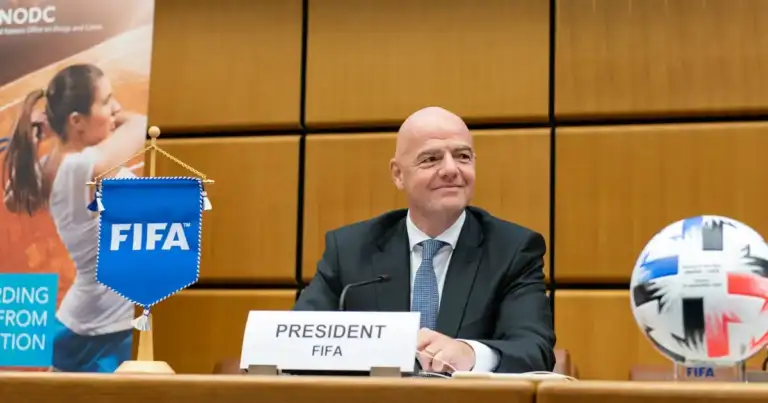
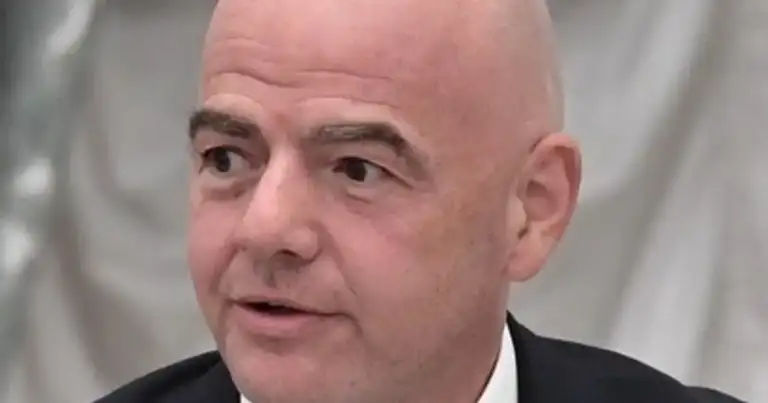
FIFA President Gianni Infantino confirmed a deep analysis is coming. They will study using hydration breaks for future World Cups. This move directly addresses player welfare concerns.
Tournaments are often held in regions with extreme heat and humidity. This can put players at serious risk. Infantino’s statement signals a proactive approach.
FIFA aims to adapt to evolving environmental conditions. The goal is to prioritize athlete health. Discussions were sparked by recent tournament experiences.
Future World Cups in diverse climates also played a role. This is about making the game safer for everyone.
Why Players Need These Breaks
Athletes see formalized hydration breaks as a huge positive. Playing in high temperatures causes severe dehydration. It can lead to heat stroke.
Cognitive function also drops significantly. This impacts both individual and team performance. Player safety should always come first.
Some purists might complain about game flow. But the overriding sentiment is relief. Measures that protect health are always welcome.
Medical teams strongly advocate for these breaks. They emphasize regular fluid intake. Cooling opportunities prevent heat-related injuries.
“The health of the players is paramount,” Infantino stated previously. “We have to ensure that they can perform at their best in the best possible conditions.” This new analysis is a direct extension of that commitment.
Changing the Game’s Strategy
The big question is how these breaks will actually work. FIFA’s analysis will likely refine existing WBGT (wet bulb globe temperature) index thresholds. Currently, breaks happen when WBGT exceeds 32°C (89.6°F).
New, more nuanced levels could emerge. These might depend on match intensity or player acclimatization. This means smarter decisions for player safety.
We could see standardized timing for breaks. Imagine fixed three-minute pauses. These might occur around the 30th and 75th minutes of play. This moves away from referee discretion.
Enhanced involvement of FIFA’s medical committee is central. On-site medical delegates will also have more power. They will use real-time physiological data.
Coaches must integrate these breaks into tactics. They can use them for rehydration. Quick team talks and strategy adjustments become possible. This fundamentally alters traditional game management.
It can influence momentum or allow for substitutions. This adds a new layer to football strategy. It’s a tactical time-out, not just a water break.
Tradition Versus Reality
Hydration breaks are not entirely new. FIFA first introduced them at the 2014 World Cup in Brazil. The Netherlands and Mexico match saw the first formal break. Extreme heat and humidity forced the issue.
Since then, implementation was at the referee’s discretion. This was often with a FIFA medical officer’s input. The WBGT index guided these decisions.
Now, Infantino’s analysis suggests a new path. It points towards a more standardized policy. This is proactive, not reactive.
Fans have mixed feelings. Some traditionalists might dislike interruptions. They see it as breaking from the game’s flow. However, many fans understand the necessity.
They care about athlete well-being. Visible signs of player fatigue are hard to ignore. Safety must come before an unyielding adherence to tradition.
The Climate Crisis Impact
This development shows the real impact of climate change. Global warming forces fundamental changes in sports. It affects everything from scheduling to rule modifications.
Even the “beautiful game” must adapt. This move highlights a shift in sports culture. Athlete health and safety are now prioritized. This is a progressive approach.
Future World Cup matches will look different. Planned pauses could become a regular feature. This will influence game tactics and the fan experience alike.
FIFA wants to be seen as a responsible governing body. They want to mitigate criticism about player safety. This is a strategic adaptation for global climate realities.
The analysis will ensure players can perform their best. It will also ensure they do so safely. This is a win for everyone involved in the sport.
Photo: Wikimedia Commons (query: Gianni Infantino)
Source: Google News