
The shimmering facade of the FIFA World Cup opening ceremony in Mexico City was a spectacle of curated joy, a global pop culture supernova. But for those with eyes wide open, it was also a brutal mirror reflecting the raw, simmering rage on the streets. Shakira may have commanded the stage, but the true headline was the cognitive dissonance between the dazzling show and the undeniable chaos simmering just beyond the stadium walls.
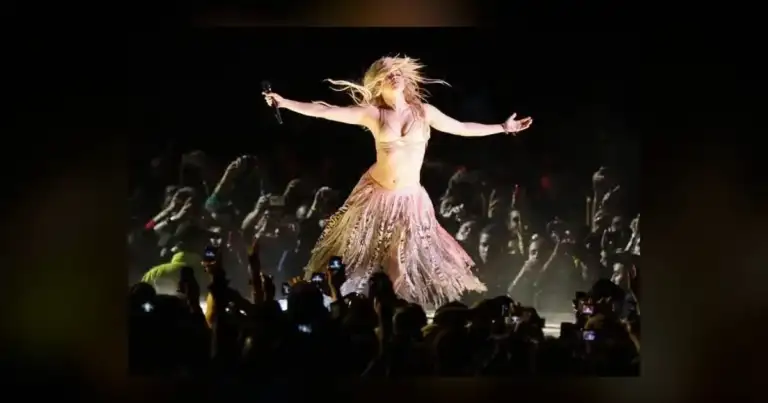
The FIFA World Cup 2026 officially kicked off on June 11, 2026, at the iconic Estadio Azteca. Global superstar Shakira, a perennial force in the World Cup narrative, headlined the event. She delivered an electrifying performance, unveiling a new World Cup anthem that, for a fleeting moment, felt like a balm.
Her iconic “Waka Waka” also unified the crowd, demonstrating its enduring, almost mythical, power.
Puerto Rican sensation Bad Bunny followed, dropping a medley of his chart-topping hits, further cementing the ceremony’s status as a pop culture juggernaut. Then, in a moment of poignant cultural resonance, Mexican folk legend Lila Downs made a surprise appearance. She sang “Cucurrucucú Paloma,” accompanied by a vibrant dance troupe, a powerful nod to Mexico’s rich, complex heritage.
It was a visual feast for the estimated 87,523 spectators, a meticulously choreographed dream sequence designed to distract, to enchant, to unify.
Shakira’s Unifying Beat vs. Mexico’s Discord: A Tale of Two Realities
Shakira’s history with the World Cup isn’t just long; it’s legendary. She famously performed “Waka Waka” in 2010 in South Africa, a song that didn’t just become an anthem but an indelible cultural artifact. Her return to the World Cup stage isn’t merely a performance; it cements her reign as the undisputed queen of global sporting anthems, a masterclass in brand synergy and emotional connection.
“What an incredible honor to kick off the FIFA World Cup 2026 in Mexico City! The energy of the crowd was electric. Music truly brings us all together. Let the games begin!”
Her words, undoubtedly heartfelt, resonate with the millions who yearn for that fleeting sense of global camaraderie. But step outside the stadium’s gilded gates, and a different, far more discordant tune plays. Mexico City simmers with a volatile cocktail of dissent.
A nation grapples with social unrest that has only intensified in the days leading up to this global party. The tension isn’t just undeniable; it’s a palpable, suffocating weight.
The Rising Tide of Righteous Fury
Mexico City has been a focal point of vocal protests in the past 48-72 hours. Activist groups, their voices amplified by righteous fury, have vehemently opposed the astronomical World Cup spending. Their argument is stark, simple, and utterly damning: these billions should be addressing the gaping wounds of poverty, the crumbling healthcare system, and the underfunded education sector.
Reuters reported a significant increase in security deployments on June 10, with National Guard and police forces a stark, visible presence across the capital. This isn’t just security; it’s a declaration of control.
These demonstrations, while not directly disrupting the opening ceremony, cast a long, ominous shadow. The heavy security presence, impossible to ignore, drew international attention, stripping bare Mexico’s complex socio-economic landscape for the world to see.
The contrast was gut-wrenching: a lavish spectacle for the global elite juxtaposed against the harsh, grinding reality for its own citizens. Is this the “unity” FIFA promised, or simply a convenient distraction?
“While they spend millions on fireworks and pop stars, our hospitals lack basic medicines. The World Cup is a party for the elite, not for the people.”
FIFA and host organizers, ever-eager to control the narrative, trumpet the usual platitudes of unity and economic benefits – tourism, international exposure, the works. The Mexican government, caught between a rock and a hard place, acknowledges the challenges but asserts that all measures are in place for safety. President Andrés Manuel López Obrador, ever the pragmatist, offered his predictable stance:
“We respect the right to protest, but we will ensure the safety and success of this historic event for Mexico. This World Cup will showcase our nation’s strength and beauty to the world.”
This is a tired, predictable playbook. Past World Cups in Brazil and South Africa faced similar waves of dissent. Mega-events don’t just highlight societal fault lines; they rip them open.
They expose the raw nerves of inequality and injustice. Mexico, sadly, is proving no exception to this brutal calculus.
What “Chaos in Mexico” Means for the Discerning Fan
The elephant in the stadium, for any discerning traveler, is obvious: how will this simmering unrest impact the rest of the World Cup? The party has started, yes, but the underlying issues aren’t going to vanish like a puff of smoke. This isn’t just background noise; it’s a palpable tremor beneath the glitz, a very real factor that will shape the entire tournament experience.
Expect a continued, highly visible security presence. This means increased patrols, ubiquitous checkpoints, and an almost militarized atmosphere around stadiums, fan zones, and key tourist hotspots. This grim certainty applies to all Mexican host cities.
Longer wait times and stricter entry protocols aren’t just likely; they’re guaranteed. Patience, my friends, will be a virtue you’ll need in spades.
Activist groups are not backing down; they plan ongoing demonstrations throughout the tournament. These will likely occur during high-profile matches, strategically timed for maximum international visibility. While they might not disrupt games directly, they will undoubtedly affect traffic, public transport, and the very pulse of the city.
The general atmosphere in host cities could easily turn tense, transforming a supposed celebration into a continuous tightrope walk.
International media coverage of the unrest is already significant, impossible to ignore. This could cause some tourists to rethink their gilded itineraries, while others might exercise extreme caution, walking on eggshells through what should be a festive environment.
Local businesses not directly tied to the World Cup industrial complex might see a negative impact, a casualty of the spectacle. That saccharine fantasy of a seamless global celebration? It’s already crumbling.
The Real Price of Pride: A Brutal Mirror
The staggering bill for the 2026 tournament’s infrastructure and operational costs runs into the billions. Critics aren’t just pointing fingers; they’re screaming about a grotesque imbalance in local government spending, disproportionate to the urgent social needs of its people. This isn’t just the price of hosting a global spectacle; it’s the crushing weight of immense pressure, a Faustian bargain for fleeting national pride.
The unifying myth of sport clashes head-on with stark social realities. The dazzling opening ceremony, for all its visual splendor, serves as a convenient, dazzling smokescreen. But it also strips bare the uncomfortable truths, highlighting the underlying issues with brutal clarity.
Mexican citizens feel a bitter cocktail of national pride and righteous fury, a festering wound of misspent billions fueling their anger.
This World Cup is a glittering arena for escapism, a grand stage for entertainment. Yet, it is also a brutal mirror held up to inequality, a stark reminder of the human cost of such ambition.
The games will continue, a relentless march of athletic prowess. The protests, too, will likely persist, a constant drumbeat of dissent.
The true reckoning for Mexico, caught between global aspiration and local despair, is just beginning. What legacy will truly remain when the final whistle blows?
Source: Google News