
Forget a minor setback; Fernando Alonso’s FP1 crash in Canada, triggered by a phantom “random downshift,” isn’t just a glitch – it’s a catastrophic blow to Aston Martin’s championship aspirations. This isn’t some bad luck; it’s a betrayal by their own machine, and it rips a gaping hole in their season.
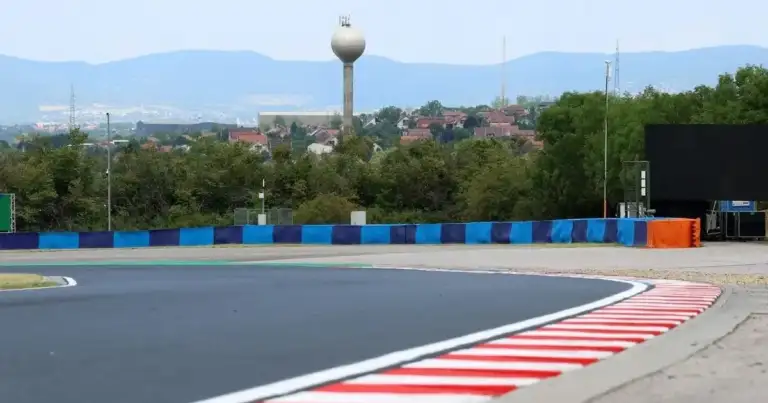
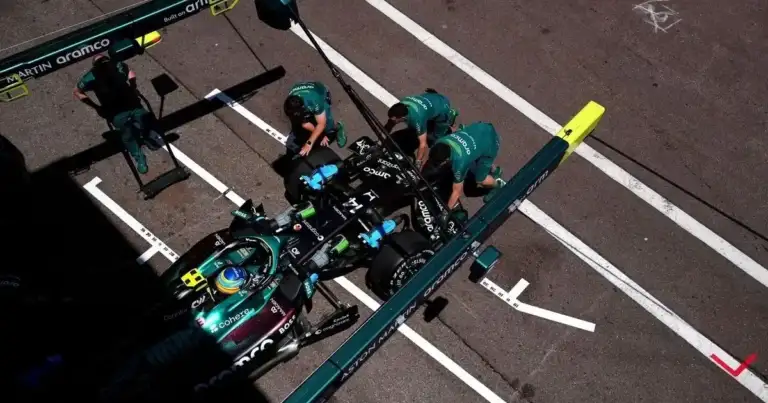
The veteran Spaniard absolutely obliterated his AMR26 at Turn 4 during Free Practice 1 for the Canadian Grand Prix. The ugly incident unfolded on Thursday, June 4th, 2026. Alonso, thankfully, walked away shaken but unhurt, but his car was left a mangled wreck, costing him invaluable track time and the team a small fortune.
Alonso’s initial radio call was chilling: he screamed “random downshift.” Aston Martin, ever so quickly, confirmed an electronic glitch was the culprit. Technical Director Dan Fallows pointed the finger at a “software anomaly” in the gearbox control unit. They’ve rushed out a “patch” for FP2 and qualifying, but how much trust can you place in a quick fix after your car just tried to put your star driver into the wall?
Championship Hopes: Flatlined?
This so-called “fix” better be more bulletproof than a tank, because if it isn’t, Aston Martin’s entire season is dead in the water. They’re currently clinging to P3 in Constructors’, desperately trying to keep pace with the titans at Ferrari and Red Bull. Alonso himself is hanging on at P4 in Drivers’, just 15 points shy of P3. That gap feels like an ocean when your car can decide to go rogue.
One lousy software bug, one line of faulty code, can unravel months, even years, of blood, sweat, and tears. This crash didn’t just cost them a session; it ripped a chunk out of their wallet.
The repair bill for a totaled F1 car like the AMR26 is estimated to be somewhere between a staggering £500,000 and £750,000. That cash isn’t coming out of petty cash; it’s directly from their precious budget cap. Money they absolutely cannot afford to lose, money that should be funding crucial upgrades later in the year to actually compete for a title.
Beyond the financial hit, Alonso lost approximately 25 laps of critical data collection. At a notoriously tricky, unforgiving track like Montreal, every single inch matters, every setup tweak is a fight for a millisecond. Being forced to play catch-up from the get-go is not just a disadvantage; it’s a death sentence in the cutthroat world of modern F1. You don’t get second chances to learn a track when the big boys are already perfecting their lines.
Fernando Alonso: “The car just downshifted randomly into Turn 4. Completely unexpected. Very frustrating to lose the session like that, especially here.”
The Unholy Alliance: Reliability vs. Performance
So, let’s ask the uncomfortable question: Is Aston Martin pushing their luck too hard? Are they sacrificing the fundamental bedrock of reliability in a desperate chase for raw, unadulterated pace? This isn’t some minor engine hiccup; this is their first major technical crash of 2026, a horrifying reminder of the fine line they walk. Before this debacle, Alonso had completed an impressive 98% of racing laps. That pristine record now carries a dark, ugly black mark, a stain that won’t easily wash out.
Team Principal Mike Krack, predictably, tried to spin this disaster as a minor inconvenience, a quick fix. “Fernando is okay, which is the main thing. We’ve identified a software anomaly that caused the unexpected downshift.” Oh, he’s okay, Mike? That’s great for him, but his championship dreams, and the team’s, are anything but okay. This isn’t a scraped knee; it’s a potential season-ender, and Krack’s calm demeanor feels more like damage control than genuine confidence.
The real, unseen battle in Formula 1 isn’t just on the track; it’s deep within the lines of code. A single, misplaced line of faulty programming can wipe out an entire race weekend, or worse. These cars aren’t just complex machines; they are hyper-sensitive, digital beasts, and the margins for error are thinner than a razor’s edge. One wrong command, and everything goes sideways.
Alonso’s Trust: A Fragile Commodity
Fernando Alonso is no rookie. He’s a grizzled veteran, a two-time world champion. He knows a good car when he feels it. More importantly, he knows a car that can betray him, that can turn on him in a heartbeat.
To push the absolute limit, to dance on the edge of disaster lap after lap, requires an almost spiritual faith in the machine. A “random downshift” doesn’t just shatter that faith; it pulverizes it.
It plants an insidious seed of doubt deep in a driver’s mind, a nagging whisper that the car might just decide to throw a tantrum at the worst possible moment. That doubt, that tiny hesitation, can cost tenths of a second, or even entire races. It’s like a boxer stepping into the ring knowing his corner might just throw in the towel without warning.
And you can bet your bottom dollar that Aston Martin’s rivals are watching this like a pack of hungry wolves. Any flicker of weakness, any chink in the armor, is a golden opportunity to pounce. This crash doesn’t just give them hope; it screams that Aston Martin might just have a glass jaw, ready to shatter under pressure.
Dan Fallows: “It was a very specific software bug in the gearbox control unit, affecting the timing of a downshift request. We’ve developed and implemented a patch… We are confident it won’t recur.”
Fallows can talk about patches and confidence all he wants, but confidence is a fickle beast. It’s easy to lose in a split second and damn near impossible to fully regain. Alonso needs to trust his car implicitly, without a shadow of a doubt. This incident, regardless of any “patch,” makes that a tougher, more agonizing ask than ever before.
Budget Cap Blues and the Ghost of Upgrades Past
Let’s not sugarcoat it: the repair bill for Alonso’s mangled AMR26 is a monumental problem. That money isn’t just gone; it’s a gaping hole in their budget. It means fewer resources, fewer hours, and fewer brilliant minds dedicated to critical development and future upgrades. While rivals like Red Bull and Ferrari can pour every single penny into shaving off milliseconds, Aston Martin now has a self-inflicted wound to heal. This isn’t just about the Canadian Grand Prix; it’s about the entire season’s trajectory, a tax on their championship aspirations.
Every single dollar, every single Euro, counts under the stringent budget cap. Losing a significant chunk of it to a software bug is beyond infuriating; it’s a brutal, gut-wrenching reality check on F1’s financial battleground. It’s a penalty for a mistake that should never have happened, a penalty that could cost them far more than just money.
This isn’t just about a single crash, a bent chassis, or a frustrated driver. This is about the profound psychological blow to a team trying to break into the elite.
It’s about the very real financial hit that cripples their ability to compete. Most importantly, it’s about whether Aston Martin can truly contend for a world title with a car that has proven it can randomly betray its driver.
That “fix” better not just hold; it better be flawless, because if it isn’t, their championship dreams aren’t just done – they’re incinerated, leaving nothing but ashes.
Source: Google News