Forget the highlight reels and the champagne-soaked celebrations. The 2026 Canadian Grand Prix was a sham, a beautifully chaotic lie Formula 1 bosses are desperate to sell as proof their broken rules are working.
Yes, Max Verstappen (Red Bull) took the checkered flag, with Lando Norris (McLaren) and Lewis Hamilton (Mercedes) rounding out a thrilling podium. But it was pure, unadulterated luck, a perfect storm of variables, not good design, that delivered that entertainment. Don’t let anyone tell you otherwise.
The drivers, the gladiators strapped into these machines, are calling absolute BS on the whole thing. They know the chaos in Montreal masked deep, systemic problems with F1’s current regulations.
It was a perfect storm of unpredictable rain, timely safety cars, and pure, blind circumstance that made it exciting. Strip that away, and you’re left with the same old procession.
Canadian Chaos: A Smokescreen for a Rotten Rulebook?
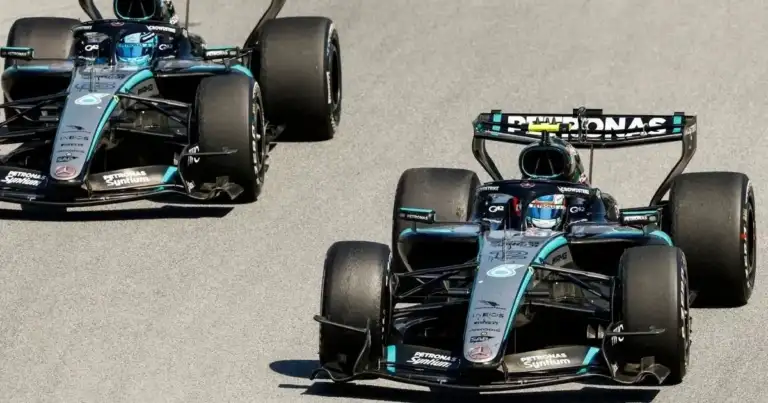
Montreal truly delivered a thriller on May 25, 2026. Verstappen, Norris, and Hamilton battled like madmen, and the weather swung from torrential downpour to bone-dry, forcing crazy, high-stakes tire calls.
The numbers themselves scream excitement: we saw a staggering 58 overtakes, a massive leap from your average dry race. Three safety cars bunched up the field repeatedly, and there were four lead changes among three different drivers.
It was exactly what every fan craves, the kind of drama that makes you jump out of your seat. But the drivers, the men who live and breathe this sport, know the cold, hard truth.
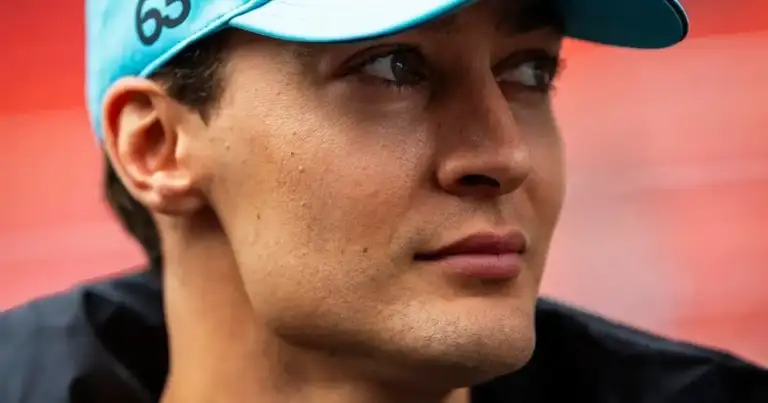
“It was an incredible show for the fans, absolutely. You can’t deny that. But let’s be honest, a lot of that came from the rain, the safety cars, and the mixed conditions. On a normal dry day, it’s still incredibly difficult to follow closely and really fight for position. We can’t pretend otherwise. The fundamental issues are still there.” – Max Verstappen, Red Bull Racing
Verstappen’s words cut right to the bone. The rain created the show.
The safety cars reset the field, wiping away strategic advantages and forcing close quarters combat. Without those external, uncontrollable factors, it’s the same old F1, where the fastest car disappears into the distance and the rest spread out like a lazy Sunday drive. Is that what we’re paying to see?
Drivers vs. Management: The Grand Canyon of Reality
Formula 1 management, the suits in their pristine offices, are probably popping champagne corks, high-fiving over these viewership numbers. They see the Canadian GP as ultimate validation.
“Look how exciting our sport is!” they scream, oblivious to the fact that they’re celebrating a lucky break, not a triumph of design. They are missing the point entirely, and it’s a dangerous delusion.
The drivers are the ones actually stuck in these machines, feeling every bump, every gust of dirty air. They know exactly how hard it is to follow another car, to get close enough to even think about an overtake.
The current ground effect cars, introduced with so much fanfare in 2022, were supposed to fix this fundamental problem. They were hailed as the saviors of close racing, the answer to the procession problem.
They haven’t fixed a damn thing. Not really. They’ve failed, plain and simple.
The dirty air problem persists, especially on high-speed sections and through fast corners, making true wheel-to-wheel combat a rare, precious gem in dry conditions. The cars are still too sensitive, too reliant on clean airflow, turning a potential dogfight into a frustrating game of cat and mouse where the cat can never quite pounce.
F1 cannot, and should not, rely on Mother Nature for its excitement. That’s a recipe for disaster and fan apathy.
It needs rules that inherently promote genuine, skill-based racing. It needs cars that can battle bumper-to-bumper, lap after grueling lap, where the driver’s talent, not a gust of wind or a random crash, dictates the outcome.
This isn’t just about one fluke race; it’s about the very integrity of the sport. If F1 becomes a lottery, a game of chance, it loses its meaning. It becomes less about the pinnacle of motorsport skill and more about circumstance, and that’s a betrayal of its legacy.
The Illusion of Close Racing: A Dangerous Mirage
Fans want consistent, organic battles. They don’t want to pray for rain or hope for a crash to spice things up.
They want to see drivers push the limits, outmaneuver each other with raw skill and bravery, and fight tooth and nail for every inch of tarmac. The Canadian GP gave us a taste of that, yes, but it was a trick of the light, a fleeting mirage. It wasn’t the fundamental rules delivering the goods; it was pure, beautiful, unadulterated chaos, something the rulebook was actively trying to prevent.
Formula 1 has a long, often frustrating, history of tweaking rules, always chasing that elusive perfect balance. Aerodynamics are always the target, the scapegoat, the supposed solution.
Yet, the dirty air problem keeps rearing its ugly head, a persistent monster under the bed. The current rules still make it a nightmare to follow, a frustrating exercise in futility for even the most skilled pilots.
Drivers like Lewis Hamilton and Charles Leclerc echo Verstappen’s concerns, often in more diplomatic tones, but the message is clear. They are the gladiators in the cockpit, the ones who feel the limitations of these machines every single lap.
Their feedback should be paramount, the guiding light for any rule changes. Are F1’s decision-makers truly listening?
Or are they too busy counting the viewership numbers from one spectacular, anomalous race, content to let sleeping dogs lie? Complacency is a killer in any sport, and F1 is dancing on the edge of a very sharp knife.
What’s Next for F1’s Rules? A Radical Reckoning is Needed
If the ground effect cars aren’t solving the dirty air issue, if they’re still making it impossible to race wheel-to-wheel in dry
Source: Google News