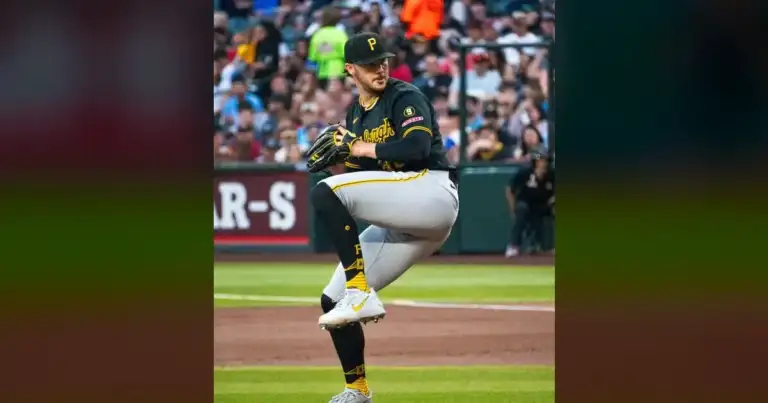

Blake Snell’s Dodgers debut wasn’t just a disaster; it was a front office blunder writ large, a $62 million lesson in why you don’t cheapen the sacred process of preparing a pitcher. On Wednesday, May 7, 2026, at Dodger Stadium, the two-time Cy Young winner got absolutely shelled by the Atlanta Braves, leading to a humiliating 7-2 loss for the Dodgers. This wasn’t merely a bad game; it was a flashing red light on the reckless impatience that now infects too many modern organizations.
Snell, fresh off signing a colossal two-year, $62 million deal with the Dodgers in March, made his first start of the 2026 MLB season. He missed the initial weeks due to what was euphemistically called a “condensed spring training.” Any traditionalist with an ounce of common sense knew this was a recipe for disaster. You don’t pay a man $31 million a year and then throw him to the wolves unprepared.
A Costly, Abbreviated Outing
The numbers from Snell’s performance are ugly, and they tell a story far more damning than any “soft contact” analytics could ever spin. He lasted a pathetic 3.1 innings, surrendering five earned runs on six hits. He walked three batters and struck out just four. His pitch count ballooned to 78 pitches, with a dismal 45 finding the strike zone. The Braves, as any professional lineup would, jumped all over him from the first pitch.
Marcell Ozuna didn’t waste time, blasting a two-run homer in the first inning. Orlando Arcia added a solo shot in the third. Atlanta then piled on three more runs in the fourth, effectively ending Snell’s night and sending him to the dugout with his tail between his legs.
This wasn’t just a bad outing; it was an embarrassment, especially for a pitcher of his pedigree and, more critically, his paycheck. What did they expect, rolling out an ace who hadn’t properly stretched out his arm?
Strider: The Blueprint They Missed
While Snell was busy proving the folly of rushing, Braves ace Spencer Strider delivered a masterclass in what a dominant pitcher, properly managed, looks like. Strider carved up the Dodgers’ potent lineup, earning his fourth win of the season with a performance that should have shamed the Dodgers’ front office.
He pitched a robust 6.0 innings, allowing only two earned runs on four hits, walking a single batter, and striking out nine Dodgers. His fastball and slider were lethal, showcasing the kind of controlled power and command that you pay top dollar for. That is the kind of performance the Dodgers invested $62 million to get, not the flailing mess they trotted out.
The True Price of Impatience
Let’s be blunt: this entire situation screams of a monumental organizational blunder. You simply do not sign a pitcher for $62 million and then bypass crucial rehab starts, shoving him straight into a prime-time start – on a bobblehead night, no less. It reeks of a cynical marketing ploy, or perhaps pure, unadulterated desperation, masquerading as a strategic decision. Common sense baseball, the kind built on generations of understanding the human arm, dictates a pitcher needs proper time to build up arm strength. A “condensed spring training” is not enough. You cannot cheat the game; the game always wins.
The online chatter, for once, was right. Fans saw through the transparent excuses. They called out the “calculated spin” from the Dodgers’ PR machine.
Snell and Manager Dave Roberts both parroted lines about “soft contact.” Soft contact? Five runs in three innings is not “soft contact”; it’s bad pitching, plain and simple. It’s giving up runs, and that’s the only metric that matters on the scoreboard.
Talk of “Pilates and a nutritionist” after such a debacle isn’t just insulting; it’s a smokescreen for abysmal preparation and a profound disrespect for the sport’s fundamental principles.
Financial Fallout and Looming Headaches
The Dodgers now stand at 18-12, while the Braves improved to 20-10. This loss is far more than just one notch in the standings. It places immense, immediate pressure on Snell’s contract. $31 million a year demands results, not excuses, not half-baked performances. The Dodgers’ front office gambled by rushing him, and now they are staring down the barrel of severe consequences.
Does Snell need more time off? Will his arm truly be ready now, or has this ill-advised debut set him back further? These are the kinds of questions a well-managed, traditionally-minded franchise avoids.
The unwritten rules of baseball are crystal clear: you earn your stripes, you build your arm up slowly, and you respect the process. The Dodgers, in their misguided pursuit of immediate gratification, ignored every single one of those tenets.
They rolled the dice on a quick return, and they ended up with a quick exit. This isn’t about advanced analytics; it’s about fundamental baseball management, and they blew it. This rough debut doesn’t just put the Dodgers in a tough spot; it casts a long shadow over their massive investment in Snell. They need him to perform, and this start inspires absolutely zero confidence. The true price of their impatience might be far higher than the $62 million they’ve committed; it could be the cost of a season, or worse, a reputation.
Photo: REUNION
Source: Google News