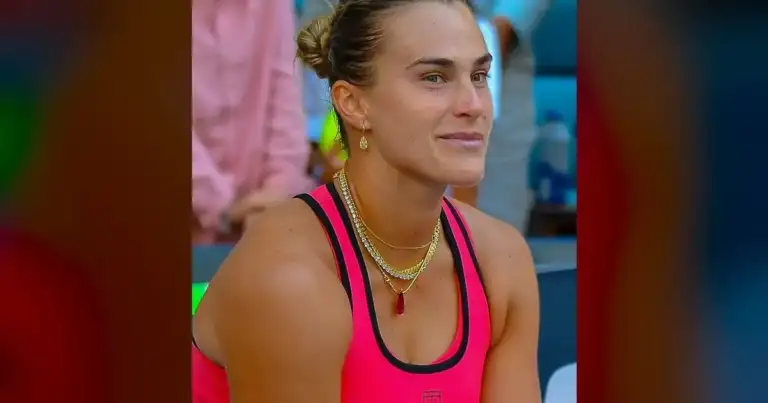

Let’s be clear: Aryna Sabalenka’s threat to boycott Wimbledon and other Grand Slams over prize money isn’t just a misstep; it’s a colossal miscalculation for her brand. This isn’t merely about cash; it’s about optics, leverage, and a tone-deaf reading of the room, especially after she pocketed a staggering £11 million last year.
Sabalenka dropped her boycott bombshell at the Italian Open, citing a grievance that the players’ revenue share reportedly dipped to 14.9% from a previous 15.5%. Her core argument? The tournaments need players more than players need the tournaments. A bold statement, certainly, but does it hold water when those very events are the engine behind her millions?
The numbers don’t just speak; they shout. Sabalenka’s £11 million in earnings is life-changing wealth for most. Yet, her dispute centers on a fractional percentage point drop in overall revenue share.
This isn’t a fight for survival; it’s a demand for more from an already overflowing plate. Imagine a CEO, after a record-breaking year, threatening to shut down operations over a minor bonus adjustment. It simply doesn’t compute.
The Optics of Outrage: A Public Relations Disaster
The public reaction to Sabalenka’s threat has been nothing short of brutal. Social media is ablaze with accusations of “entitled millionaire whining,” and for good reason.
Critics are quick to point out the sheer hypocrisy: she won the Australian Open, claiming huge prize money, and now she gripes about a slight dip in a share of revenue. It’s a look that screams disconnect.
One popular tweet from @TennisMemes, echoed by thousands, scoffed, “Sabalenka made more in 2025 than most countries’ GDPs. But French Open’s 10% prize hike isn’t enough? Cry me a river, smash a racket.”
The sentiment on Reddit’s r/tennis is equally savage, reflecting a broad public consensus. A top thread with 12,000 upvotes blasted, “Without us, no tournament? Bitch, without the Slams’ marketing machine, you’re swinging rackets in Belarus obscurity.” This isn’t just online noise; it’s a direct assault on her public image, eroding goodwill at a critical juncture in her career.
What about players lower down the ranks? Many struggle just to break even, often incurring debt to chase their dreams. Sabalenka earns in a week what some make in a career; to them, her complaint must feel like a slap in the face.
Fellow top player Iga Swiatek’s “extreme” jab went viral, laying bare a deep fracture within the player ranks. When even your peers question your motives, you know you’ve misplayed your hand.
The Business of Brand Damage: A Costly Misstep
For an athlete at the pinnacle of their sport, reputation isn’t just nice to have; it’s currency. Brands don’t just sponsor talent; they invest in stability, reliability, and a positive public image. They seek ambassadors who embody excellence and professionalism, not petulance.
Brands like Lacoste, Hublot, and ASICS continue to bet big on established stars like Novak Djokovic for a reason. Djokovic offers consistent high-level performance, global recognition, and a disciplined approach. His commitment to excellence is a brand’s dream.
Sabalenka’s boycott threat does the exact opposite. It paints her as temperamental, ungrateful, and potentially unreliable. This isn’t just about losing a few fans; it actively erodes loyalty and makes potential sponsors think twice.
Why would a major corporation invest millions in someone who might unilaterally pull out of major events? Such actions jeopardize their marketing campaigns and brand associations. This kind of instability is a monumental red flag for corporate partnerships.
Her actions risk damaging the very brand she relies on for millions in endorsements – endorsements that often far exceed prize money. The long-term cost of this reputational hit could easily dwarf any marginal gain she hopes to achieve from a higher revenue share.
A High-Stakes Gamble with Predictable Losses
Is this a calculated power play by the top players? Some speculate about a “top-10 cartel flexing” to strong-arm organizers. However, a boycott carries massive, often irreversible, risks.
Grand Slams are not fragile entities; they are institutions with immense marketing power, deep history, and established fan bases. They can, and will, weather a temporary absence from one or two players.
New stars could emerge, eager to seize the spotlight and fill the void. Lower-ranked players, who often view these tournaments as their only real shot at significant earnings and exposure, would certainly “feast” on the opportunity, creating new narratives and fan favorites.
The leverage here is not as clear as Sabalenka believes. A player, even a World No. 1, is ultimately more dependent on the Grand Slams’ platform than the Slams are on any single player. This is a short-sighted move.
It prioritizes a marginal financial gain over long-term career stability, fan goodwill, and the very foundation of her brand. True business leaders understand the power dynamics at play. They know when to fight and, crucially, when to negotiate quietly and strategically.
This public tantrum risks alienating everyone – fans, sponsors, and even fellow players. It’s a gamble that, in the long run, will cost her far more than the prize money she’s fighting for. The question isn’t if she’ll pay the price, but how steep that price will ultimately be for her legacy.
Photo: Rick Munroe
Source: Google News