
Daniil Medvedev’s Double Bagel Defeat: When Competitive Fire Meets Public Meltdown
In the high-stakes world of professional tennis, emotional composure often serves as a critical edge between victory and defeat. Yet, even the most elite athletes occasionally crack under pressure, revealing the raw human underpinnings behind their exceptional talents. Daniil Medvedev’s recent experience—suffering the first double bagel loss of his career and visibly melting down—has thrust this reality into the spotlight, stirring conversations not only among tennis fans but also across the broader spectrum of competitive sports.
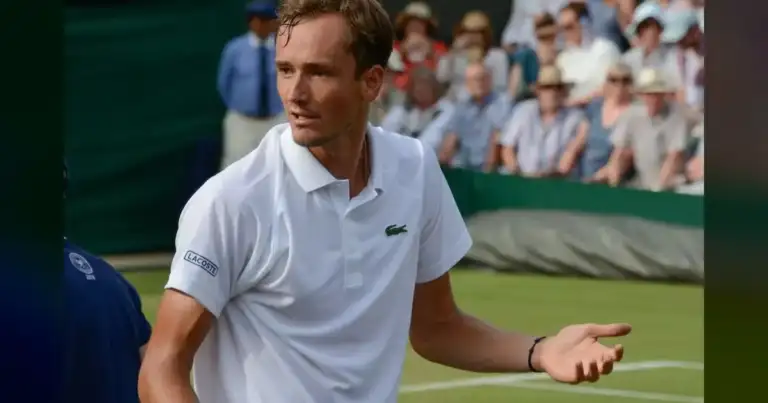
For those unfamiliar with tennis vernacular, a “double bagel” refers to a 6-0, 6-0 set scoreline, an overwhelming shutout that rarely occurs at the professional level, especially against a top-ranked player like Medvedev. The rarity and severity of this defeat naturally triggered an intense emotional response from the Russian star, who was seen on court grappling with frustration and disbelief. This moment, while jarring to some, is emblematic of the mounting psychological pressures athletes face at the pinnacle of their sport.
The Anatomy of an Athlete’s Meltdown
Medvedev’s meltdown is not an isolated incident unique to tennis. Across combat sports—MMA, boxing, UFC, and even professional wrestling—athletes have demonstrated the volatile intersections of competitive intensity and human vulnerability. These meltdowns, often characterized by outbursts of anger, tears, or public admissions of struggle, underscore a compelling truth: athletic excellence does not inoculate one against emotional breakdowns.
Consider recent examples in UFC, where fighters like Sean O’Malley and Paddy Pimblett have openly shared their battles with anxiety and mental health pressures. Their candidness has been pivotal in shifting the cultural narrative around athlete meltdowns—from being perceived as mere lapses in professionalism to valid responses to extreme mental strain. The UFC’s expanded mental health initiatives highlight an evolving recognition that emotional resilience is as vital as physical conditioning in sustaining careers.
Similarly, the boxing world has witnessed high-profile emotional surges that capture public attention. Anthony Joshua’s post-fight interview meltdown after a tough loss exemplifies how athletes confront not only opponents but also the crushing weight of public expectation and self-imposed standards. The emotional volatility displayed in these moments reminds us that the crucible of elite sport tests more than muscle and skill—it tests spirit and psyche.
From Real Meltdowns to Wrestling Storylines
Interestingly, professional wrestling, especially WWE, embraces emotional breakdowns as part of its entertainment fabric. Storylines often incorporate “meltdowns” as dramatized expressions of character evolution and narrative tension. Cody Rhodes’ highly publicized promo in early 2026 blurred lines between performance and authentic emotion, captivating audiences worldwide. This dynamic offers fans a window into the cathartic potential of emotional expression—even if scripted—highlighting the universal resonance of vulnerability in competition.
What Medvedev’s Meltdown Means for Tennis and Beyond
Daniil Medvedev’s double bagel loss and subsequent meltdown serve as a profound reminder that athletes, regardless of discipline, navigate immense psychological challenges. Tennis, with its relentless spotlight and isolation on court, can be especially unforgiving. Medvedev’s moment of visible frustration should neither be dismissed as weakness nor sensationalized as scandal; rather, it invites a deeper empathy for the mental battles athletes endure behind the scenes.
Moreover, this incident could catalyze further dialogue within tennis circles regarding mental health support, resilience training, and the normalization of emotional expression among players. Just as UFC has made strides in integrating mental wellness programs, tennis governing bodies might consider similar initiatives to ensure players like Medvedev receive holistic care.
In a culture that often rewards stoicism and toughness, Medvedev’s meltdown humanizes the elite athlete archetype, offering fans and fellow competitors alike a candid glimpse into the emotional rollercoaster synonymous with high-level sport. It is a potent reminder: behind every powerful serve and graceful rally lies a complex individual balancing ambition, pressure, and emotion. And sometimes, even champions melt down.
Photo: Photo by Carine06 from UK on Openverse (wikimedia) (https://commons.wikimedia.org/w/index.php?curid=108652836)
Source: Google News