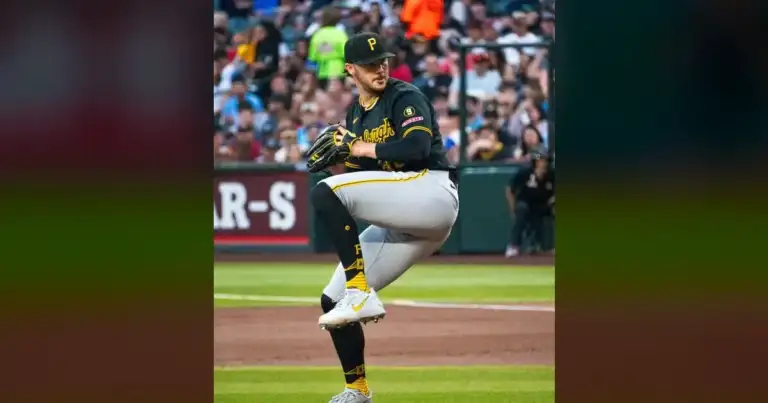
The Cleveland Guardians are calling up Travis Bazzana, their No. 1 overall pick from 2024. They’re throwing a 21-year-old kid to the wolves, hoping he can single-handedly fix a floundering offense. This isn’t a strategic move; it’s a panicked gamble.
Bazzana is set to join the club on April 27, 2026, expected to suit up for the series against the Minnesota Twins. The Guardians limp along with a middling 15-15 record. Desperation, pure and simple, is a dangerous motivator in this game.
The Illusion of Analytics: Numbers vs. Reality
On paper, Bazzana’s minor league numbers are certainly impressive enough to make any analytics department swoon. He absolutely tore up Triple-A Columbus in just 20 games. He posted a remarkable .345 batting average, hammered 7 home runs, and drove in 21 RBIs.
His 1.102 OPS is the kind of statistic that screams “ready” to those who live by spreadsheets alone. He even showed advanced plate discipline, drawing 15 walks, and swiped 5 bases. These are all lovely figures, but they represent a mere snapshot, a tantalizing appetizer before the main course of the big leagues.
But anyone who’s spent a day in a dugout knows that minor league numbers, no matter how gaudy, don’t always translate. The game is played on dirt and grass, not on a computer screen. The pressure, the grind, the sheer talent of big league pitching – it’s an entirely different animal. To think these numbers alone guarantee success is to ignore decades of baseball wisdom.
Guardians’ Self-Inflicted Wounds and a Desperate Plea
Let’s not pretend this call-up shows Bazzana’s accelerated development. This is a direct consequence of the Guardians’ anemic offense. They languish at 21st in batting average with a paltry .235, and their team OPS of .690 puts them at a dismal 19th in the league.
The production from second base? Abysmal doesn’t even begin to cover it. The front office, having failed to build a competent lineup, is now banking on a 21-year-old kid to be their savior.
Is that fair? Is that smart? Or is it merely a desperate attempt to deflect blame from their own roster construction failures?
The Unwritten Rules of Development: A Costly Omission
Baseball isn’t just about Triple-A stat lines. The big leagues are a different beast entirely. Pitchers here exploit weaknesses mercilessly, and the grind of a 162-game season is relentless.
Rushing a No. 1 pick, especially one with just 20 Triple-A games under his belt, can backfire spectacularly. Development takes time and seasoning against the best arms. You don’t skip steps in this game, not if you want to build a career, and certainly not if you want to protect a franchise’s most valuable asset.
“Travis has exceeded every expectation we’ve had for him since draft day. His maturity at the plate, his defensive improvements, and his leadership qualities made this an easy decision. We believe he’s ready to contribute immediately.”
Guardians management, specifically Chris Antonetti, can talk a good game. However, they are gambling with a massive investment. A top pick isn’t just a player; it represents years of scouting, millions in signing bonuses, and a decade of potential control.
Undermine his confidence now, expose him before he’s truly ready, and the team pays the price for a decade. This isn’t just about winning a few games in April; it’s about the long-term health and financial stability of the entire organization.
The Business of Baseball: Accelerated Timelines and Future Costs
This isn’t some feel-good story about a kid living his dream; this is about the cold, hard business of baseball. A rapid promotion like this can accelerate a player’s arbitration eligibility. This shortens the team’s contractual control over a potential star.
Every day Bazzana spends in the majors now counts towards his service time. If he struggles, it doesn’t just hurt his confidence; it hurts his trade value, impacts future contract negotiations, and derails the team’s long-term plan.
You don’t throw a kid into the fire just because your middle infielders can’t hit a lick. That’s a failure of roster management, not a stroke of genius.
“I’m incredibly grateful for this opportunity. It’s been my dream to play in the big leagues, and I’m ready to do whatever it takes to help the Guardians win. I’ve learned so much in the minors, and I’m excited to bring that to Cleveland.”
The kid says all the right things, as any eager prospect would. He sounds ready and motivated. But eagerness doesn’t equal readiness.
There’s a reason the unwritten rules of player development exist: they protect young talent. These rules allow them to mature, refine their craft, and build sustainable careers. Ignoring them is a disservice to the player and a disservice to the franchise’s future.
A Dangerous Precedent: History’s Cautionary Tales
History is littered with highly touted prospects who were rushed to the big leagues. Some, like a few generational talents such as Stephen Strasburg or Bryce Harper, managed to overcome the accelerated timeline. Many, many more didn’t.
The mental toll, the pressure, the public scrutiny – it’s immense, and it can break even the most talented players. The Guardians have a proud history of developing young talent. But this feels different. This feels like a desperate plea, a Hail Mary pass from a front office under pressure, hoping Bazzana can be the instantaneous savior.
They should have given him more time. Let him refine his craft, truly master Triple-A pitching, and build an unshakeable foundation. The big leagues will always be there. But once a player’s confidence is shattered, once the league has exposed every flaw before he’s had a chance to correct it, it’s incredibly difficult to recover. This is not just about a player; it’s about the financial and competitive future of an entire
Source: Google News