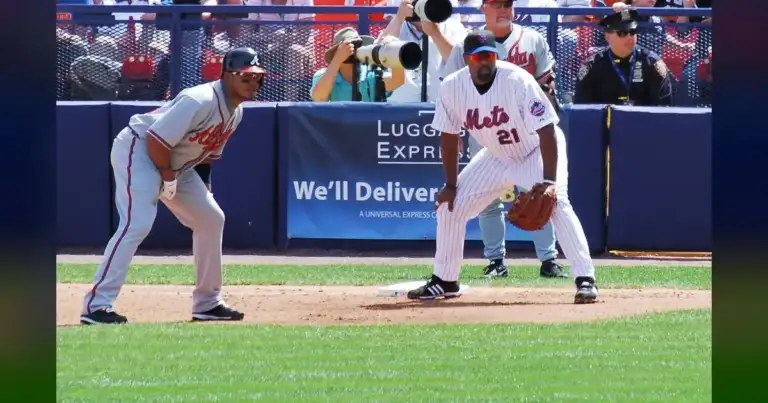

Another day, another dose of manufactured optimism from Flushing. The New York Mets finally scraped together a win, supposedly proving their “trust” in struggling players. Don’t be fooled by this temporary balm, folks.
This wasn’t a triumph; it was a desperate gasp for air. It was bought at the expense of sound baseball principles and, inevitably, future cap space.
The Mets secured a 5-4 extra-innings victory over the Atlanta Braves at Citi Field on April 22, 2026. This win snapped a miserable four-game losing streak. Their record still stands at a dismal 9-13, hardly a mark of success.
A single extra-inning squeaker changes nothing about the grim reality facing this franchise. It merely delays the inevitable reckoning.
The Illusion of Trust, The Reality of Investment Protection
The front office wants you to believe this win is proof of perseverance, a vindication of their “continued trust” in underperforming stars. I call it a desperate attempt to spin another false narrative. It’s a transparent PR maneuver designed to placate a rightfully enraged fanbase.
This isn’t trust; it’s asset management, plain and simple. When you’ve got players eating up north of $30 million a year, you don’t “trust” them. You pray they don’t become dead money.
Fans aren’t buying this charade, and rightly so. They see this “streak-busting win” for what it is: pure cope. One desperate victory doesn’t erase a season of mediocrity.
Nor does it fix the fundamental flaws in roster construction and player development that have plagued this team for years. It just kicks the can down the road, pushing the true cost of these failures further into the future. There, it will manifest as bloated contracts and depleted farm systems.
The public reaction is scathing, and rightly so. Commenters are calling this whole thing a “scripted PR stunt.” They know the Mets’ pattern all too well.
“Oh sure,” one fan ranted online, ” ‘trusting players’ fixed the 9-of-10 skid—until the next meltdown.”
This isn’t redemption; it’s a fluke, a momentary reprieve from the consistent agony. It’s the same old story for this club. This team consistently fails to live up to its financial commitments and fan expectations. Where’s the accountability for the long-term vision?
Cohen’s Billions and Broken Promises
Steve Cohen’s billions were supposed to change everything. They were meant to break the curse and usher in an era of sustained winning. Yet, here we are, witnessing the same cursed ritual play out every season.
Temporary streaks are manufactured to justify tanking streaks. The cycle of mediocrity continues unabated. This isn’t about deep-seated belief in talent; it’s about protecting investments.
It’s about hoping a few well-paid guys eventually perform to their gargantuan contracts. Otherwise, their trade value will evaporate entirely. That’s business, folks, not some noble act of “trust.”
The “trust” narrative is a convenient shield, a flimsy excuse. It covers up persistent issues with player development. It highlights a scouting department seemingly allergic to true talent, and a roster construction philosophy that prioritizes analytics over actual baseball instincts.
It ignores the fundamental mechanics of building a winning team. That used to involve things like strong defense, timely hitting, and pitchers who could consistently hit their spots, not just throw 100 MPH.
When you’re paying a player like Francisco Lindor $341 million over ten years, or Max Scherzer $43 million a year for a few seasons, those investments demand a return. When they don’t deliver, the “trust” narrative becomes a very expensive joke. It’s a cap nightmare that cripples future flexibility.
The Cycle of Misery Continues, Undeterred by a Single Win
Let’s be brutally honest: one extra-innings victory doesn’t fix deep-seated problems. The Mets’ offense has been “piss-poor” for weeks. It’s a lineup of high-priced talent consistently failing to produce.
Pitchers like Kodai Senga are walking “everybody and their mother.” This demonstrates a fundamental lack of command that analytics can’t paper over. Senga’s 2026 ERA, currently sitting north of 5.00 with a walk rate approaching 15%, is a glaring red flag, not a minor blip.
These are systemic issues, not a bad run of luck. This victory was won in “horrendous dramatic fashion.” It shows luck and opponent errors more than any true shift in team capability. It felt more like avoiding another public humiliation than a triumphant turnaround.
Fans lament “what could have been” after these minor clawbacks. It’s a familiar refrain echoing through the stands at Citi Field.
They’ve seen this movie before, haven’t they? Young talent gets hyped, the team makes a big splash in free agency, then the whole thing fizzles out. Playoff heartbreaks become annual traditions.
The bright future is always wasted time, another year gone with nothing to show for it but a higher payroll and more dashed hopes. This “streak-busting win” is just another chapter in that worn-out script.
It’s a temporary high before the inevitable crash. It’s a fleeting moment of relief before the Mets inevitably one-up their previous agony, rather than truly turning their misfortune around. This isn’t just about losing games; it’s about losing the faith of the fanbase and jeopardizing the long-term health of the franchise by continually mismanaging resources.
What Does This Really Mean for the Franchise’s Future?
This win changes nothing about the Mets’ long-term outlook. It doesn’t signal a shift in power dynamics within the front office. Nor does it magically instill the kind of fundamental baseball acumen that has been sorely lacking.
It certainly doesn’t mean a deep playoff run is suddenly on the horizon. What it means, primarily, is that the front office bought themselves another week of quiet. They avoided a full-blown fan revolt, for now, by pulling a rabbit out of a hat.
But the clock is ticking on this roster. The financial implications of continued underperformance are staggering. Big contracts demand big performances.
If these “trusted” players don’t deliver consistently, their trade value plummets faster than a lead balloon. Then, Cohen’s billions become sunk costs, dead weight on the salary cap. The Mets are stuck in an even deeper hole.
The luxury tax implications alone for a team underperforming this significantly are a financial albatross. This team needs a real shake-up, a fundamental reevaluation of its approach. Not a single extra-innings victory that masks deeper issues.
They need a true commitment to fundamental baseball, to the unwritten rules of the game, to grit and execution. Not this analytics-driven smoke and mirrors that prioritizes launch angle over situational hitting and velocity over command. Until that happens, don’t expect anything but more of the same expensive disappointment.
Photo: Photo by D.Fletcher on Openverse (flickr) (https://www.flickr.com/photos/23516965@N00/468528775)
Source: Google News