Forget the heartwarming tales. Another “feel-good” story, another manufactured narrative. Dominic Smith’s two-run blast that sealed a 6-2 victory for the Atlanta Braves over the Texas Rangers on April 21, 2026, isn’t a Disney movie; it’s a $2.5 million business transaction finally paying dividends. The Braves showed a calculating form of compassion after Smith lost his brother, Rodney, in July 2025, offering facilities and counseling. Now, Smith is delivering on the field, proving that even in tragedy, professional sports remain a cold, hard business.
The Manufactured Narrative: “Disney Baseball” and the Bottom Line
The internet, as usual, isn’t buying the fairytale. People are calling this “peak Disney baseball,” and frankly, I can’t blame them. They see a crafted narrative designed to pull at heartstrings, not raw, unvarnished emotion or, more importantly, raw talent earning its keep.
Talk on social media platforms like Reddit and X is brutal, and for good reason. Users claim Smith’s story feels too perfect, too convenient.
They point to his journeyman career, a revolving door through six teams in four years. Is this genuine resilience, the kind we used to see from true grinders, or just exquisite timing for a player fighting for a roster spot on a team that needed a feel-good story as much as a left-handed bat?
The idea of a “sympathy roster lock” isn’t just floating around; it’s a legitimate concern for those of us who believe in meritocracy. Fans are rightly cynical about stories that seem too neat, especially when they come with such dramatic on-field moments.
Baseball, at its core, is a game of numbers and performance, not sentimentality or a public relations campaign. When did we start handing out roster spots based on a compelling backstory instead of a consistent OPS?
The Business of Compassion: A $2.5 Million Calculated Risk
Let’s strip away the fluff and talk about the real “payback.” Smith signed a 1-year, $2.5 million deal for the 2026 season.
For a franchise like the Braves, that’s a low-risk investment, barely a blip on the payroll radar. It looked like a smart gamble then, and with his recent performance, it looks even smarter now.
This wasn’t charity; it was a calculated play. The Braves saw potential in a player who needed a fresh start, a change of scenery, and perhaps, a dose of organizational stability.
Their support may have fostered loyalty, yes, but loyalty doesn’t win ballgames alone. Performance does.
This organizational philosophy, prioritizing player well-being while simultaneously targeting undervalued assets, isn’t just “nice”; it’s a competitive advantage.
It could attract future free agents looking for more than just a paycheck. Players might be swayed by an organization that appears to invest in the “human element.”
But make no mistake, that investment is expected to yield tangible returns, translating directly into on-field grit, clutch hits, and, ultimately, wins. It’s a shrewd business strategy, not a philanthropic endeavor.
The Braves, like any smart organization, are always looking for an edge. If an empathetic approach can unlock a player’s potential for a modest salary, why wouldn’t they exploit it?
Beyond the Box Score (But Not Really): The Numbers Still Rule
Smith’s home run was a big swing, no doubt about it. It put the Braves up 3-2 in the 3rd inning, a crucial turning point. He went 2-for-4 with 2 RBI and 1 run scored. This was his 3rd home run of the season, bringing his total RBI to 11. These are tangible contributions. These are the numbers that matter, the kind that show up on the stat sheet, not in a Hallmark movie script.
Let’s not forget the rest of the team. Spencer Strider earned the win, pitching 6.0 innings and striking out 8. Ronald Acuña Jr. and Marcell Ozuna also added key hits.
Baseball is a team game, not a one-man show of redemption. Smith delivered when it counted, but he did it within the context of a team effort, not as a solitary hero overcoming all odds. The narrative might try to isolate his moment, but the reality is that the Braves won because they played better, as a unit, that day.
The Unwritten Rules of Earning Your Keep
In the old days, you earned your spot with your bat and glove, day in and day out. Not with a sob story, no matter how tragic.
You grinded. You produced. You showed up every single day and proved you belonged.
The Braves gave Smith a chance, a lifeline, and he’s seizing it. That’s the real story here: a player proving he belongs through performance, not just getting a pass because of his personal struggles.
Every player faces adversity; the great ones perform anyway, often without a camera crew documenting their every tear.
This isn’t about ignoring grief or dismissing human emotion. It’s about acknowledging that professional sports demand results. Smith is delivering those results, and that’s the only currency that truly matters in this game.
His personal tragedy is just that – personal. His professional contribution is measured in dingers and RBI, and that’s how it should be. Anything less devalues the grit and sacrifice of every other player fighting for their spot without a compelling narrative to back them up.
The Braves made a smart move, both human and financial. Smith is paying them back with dingers and RBI, not just good vibes or a heartwarming tale for the local news. That’s baseball, pure and simple. Now, can we stop with the theatrics and just play the game?
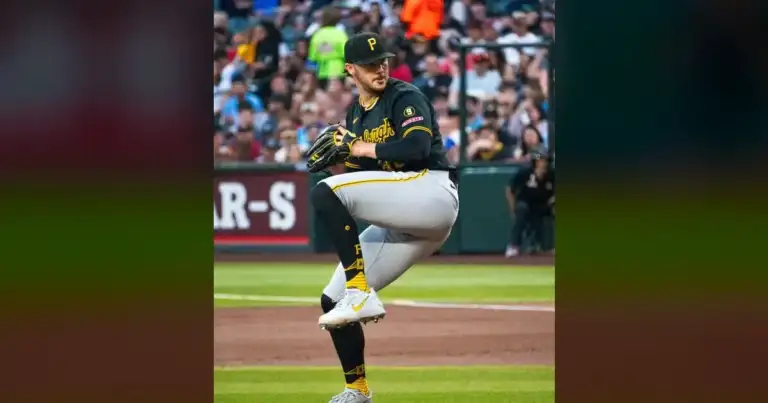
Photo: Arianna Grainey / Arianna Grainey-Imagn Images / Imagn Images
Source: Google News