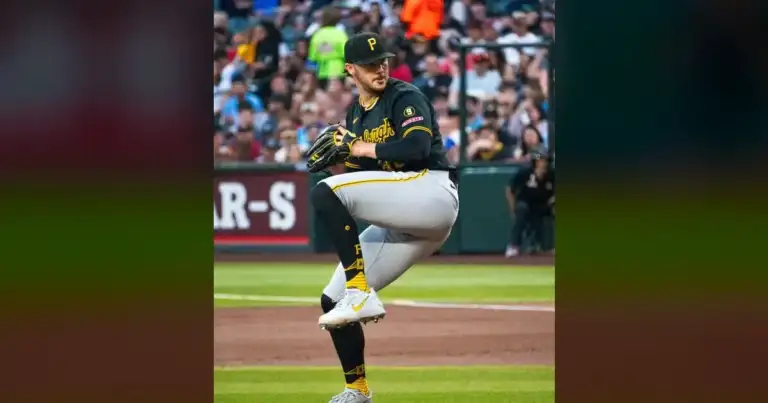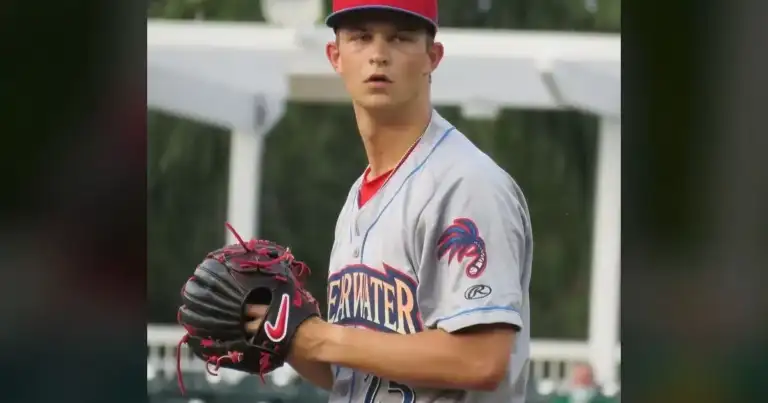

Mick Abel’s trip to the 15-day injured list for right elbow inflammation isn’t just a roster move; it’s the predictable, sickening thud of another shoe dropping. For the Minnesota Twins, it’s the sound of their perpetually fragile pitching staff once again buckling under the weight of modern baseball’s misguided obsession with velocity and analytics. Another young arm, another ticking time bomb, and another bill for the front office.
The Twins, in their usual understated fashion, announced the move on Saturday, April 18th, 2026. Abel, bless his determined heart, reported discomfort after his last start on April 16th against the Chicago White Sox. An MRI on Friday, as if anyone needed a machine to confirm the inevitable, confirmed the inflammation. To “fill the void,” as they always say, the club has called up right-hander Bailey Ober from Triple-A St. Paul. It’s a revolving door of hopefuls trying to patch a gaping wound.
The Tommy John Whisper: A Predictable Tragedy
This “inflammation” is baseball’s most infuriating euphemism for trouble, a polite nod to the impending surgical nightmare. Don’t let the corporate speak fool you; fans, and anyone who’s been around this game for more than five minutes, are already smelling a bigger problem brewing. Everyone knows this often leads straight to the dreaded Tommy John surgery. It’s not a question of if, but when, for far too many.
Elbow inflammation is a common precursor, a red flag waving furiously. It signals undue stress on the ulnar collateral ligament (UCL). The team, ever the optimists, claims “no immediate structural damage.” But a “cautious approach” in this league is just code for praying it doesn’t explode. It’s the oldest lie in the book, trotted out every time a pitcher’s arm starts barking.
History doesn’t just tell this story; it screams it from the rooftops. Pitchers like Stephen Strasburg battled this, their careers forever altered. Shohei Ohtani and Jacob deGrom also faced it, with varying but always impactful outcomes.
The fear, the financial implications, and the career uncertainty always remain. Is this just bad luck, or a systemic failure to protect the game’s most valuable assets?
The public reaction is already toxic, and rightfully so. Fans on Reddit and X are furious, and who can blame them? They see a pattern of bad luck, or worse, bad management.
“Twins rotation is FUCKED,” one forum user eloquently screamed, echoing the sentiments of a frustrated fanbase. Another poster pointed out the cruel irony: “Second Phillies import to crater—coincidence?” This grimly echoes the Pablo López season-ending UCL tear, a stark reminder of how quickly a promising season, and a hefty investment, can go sideways.
Front Office Headache: The Cost of Broken Promises
Twins President of Baseball Operations Derek Falvey, ever the company man, tried to sound optimistic in his statement. “Player health is our top priority,” he declared, “We’re taking a cautious approach with Mick.” Those are the words they have to say, the pre-approved corporate script. But they ring hollow. “Priority” means little when the arms keep breaking.
The truth is, this is a massive headache with significant financial fallout. Abel is on a rookie contract, a valuable, cost-controlled asset. A prolonged injury delays his arbitration eligibility and impacts his future earnings potential significantly.
This isn’t just about Abel’s wallet. For the Twins, it’s about lost value on a substantial investment. They spent draft capital and development resources on this young arm, now paying him to rehab, not to pitch.
The cost of an MRI, specialized treatment, and months of rehabilitation isn’t trivial, easily running into the hundreds of thousands, if not millions, when you factor in lost production and opportunity cost. More importantly, it directly hurts their competitive window and payroll flexibility.
The Twins currently stand at 9-8, sitting second in the AL Central. Losing a key starter now puts immediate, undeniable strain on their already thin depth. Every bullpen arm gets pushed harder, asked to cover more innings, which inevitably means more risk for others.
This isn’t just a minor setback; it’s a significant blow to their roster management and trade deadline strategy. What assets will they now have to sacrifice to acquire a replacement arm, all because they couldn’t protect the ones they had?
“Mick felt some discomfort after his last outing,” Twins Manager Rocco Baldelli said. “While it’s never what you want to hear, we’re optimistic it’s something we can manage.”
Optimism doesn’t win games, Mr. Baldelli. Healthy arms do. This team needs its best pitchers on the mound, not on the sidelines, collecting a paycheck while their arm recovers. The front office needs to stop hoping for the best and start proactively protecting their assets.
The Broken Arm Epidemic: Analytics’ Fatal Flaw
This isn’t just about Mick Abel; it’s about MLB’s wider, insidious problem. Pitchers are throwing harder than ever, chasing the mythical “velo” number. Velocity is king, they say. But human arms are not built for this kind of abuse, not when every pitch is max effort. The unwritten rules of pitching, the wisdom passed down through generations about pacing, preserving, and pitching to contact, have been thrown out the window in favor of data points and spin rates.
The analytics crowd, in their infinite wisdom, loves the high strikeout numbers. They push for maximum effort on every single pitch, from the first inning to the last. But the human body has its limits.
These young arms are getting cooked too fast, too often. They’re glorified robots, programmed for peak performance until they inevitably short-circuit.
The “next man up” mentality only works so long before you run out of men. The Twins are already feeling the pinch, their organizational depth being tested far too early in the season. This constant churn of injured arms isn’t just bad luck; it’s a systemic failure. This injury ignites old debates, debates the analytics gurus would rather ignore: Are pitchers being pushed too hard? Is modern training, with its emphasis on velocity and unconventional mechanics, creating more fragile arms? The evidence, in the form of a growing injured list across the league, suggests a resounding, undeniable “yes.”
Abel’s agent, no doubt, said he is “determined to get back.” Determination won’t fix a torn ligament. Rest and proper care might prevent it, but only if teams truly commit to a “cautious approach” that prioritizes the long-term health of the player over short-term statistical gains.
The Twins, and indeed all of MLB, need to be smarter. They need to protect their assets, not sacrifice them on the altar of velocity.
Otherwise, they’ll keep cycling through promising arms, each one ending up on the shelf, whispering the same dreaded words: “Tommy John.” How many more arms must break before the league learns its lesson?
Source: Google News