
The NCAA just executed a swift, silent, and utterly predictable maneuver, blackballing a referee from the Final Four after his now-infamous sideline bump with UConn coach Dan Hurley. This isn’t about upholding justice or the sanctity of the game; it’s a cynical, calculated act of self-preservation by an organization terrified of anything that might tarnish its precious, billion-dollar brand.
The official, whose identity the NCAA refuses to acknowledge publicly, was unceremoniously booted. This isn’t a display of genuine concern for fair play; it’s a textbook case of damage control, a desperate attempt to sweep an inconvenient truth under the rug. It’s the NCAA’s classic move: eliminate the symptom, ignore the disease.
The Silent Execution: A Career Derailed by a Sideline Bump
The incident in question unfolded during the UConn versus Illinois Elite Eight clash on March 30, 2024. With tensions running high, a male official brushed past Coach Hurley during a timeout. Hurley reacted, a flash of irritation crossing his face, but the official continued walking, seemingly oblivious. No whistle blew. No technical foul was assessed. Just a brief, awkward moment that, in the NCAA’s eyes, became a career-ending transgression.
Now, that official is conspicuously absent from the Final Four roster. The NCAA remains tight-lipped, refusing to confirm his name or the specific reasons for his removal. But let’s be blunt: this “quiet removal” is a direct, undeniable consequence of that fleeting, on-court interaction. The implications for the official are severe and immediate:
- He will miss out on a significant payday, a substantial financial hit for a high-stakes assignment.
- He has been stripped of a prestigious opportunity that represents the pinnacle of an official’s career.
- The ripple effects could impact his career trajectory for years, perhaps permanently branding him as a liability.
The NCAA wants us to believe this maintains “decorum.” What it actually demonstrates is their abject fear of negative press and their willingness to sacrifice an individual for the sake of their carefully curated image.
The Pressure Cooker and the Convenient Scapegoat
Officials operating within March Madness face unimaginable pressure. Every single call is dissected, every movement scrutinized, and every decision can alter the course of a game. One perceived misstep, one moment of human error, can end a career. In this instance, the official became the ultimate scapegoat.
NBC’s rules analyst, Terry McAulay, didn’t mince words, calling the non-call “abhorrent.” He even drew parallels to Bobby Knight’s infamous 1987 blackballing, a historical reference that resonated with the public. Social media, ever the arbiter of public opinion, quickly crowned the official a “spineless grandpa ref” who got what he deserved. But is this truly fair? Was the contact intentional? Was it a deliberate slight or an accidental brush in a chaotic environment? We don’t know the ref’s side of the story because the NCAA, in its infinite wisdom, has chosen silence. They’ve sacrificed one individual on the altar of public perception to maintain their illusion of control and impartiality.
The Hurley Halo Effect and the NCAA’s Blatant Hypocrisy
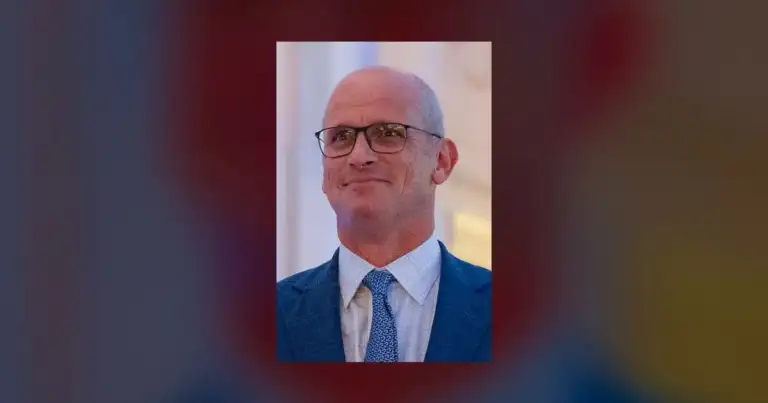
Let’s cut through the noise: Dan Hurley isn’t just any coach; he’s a coaching titan, a two-time national champion, and the architect of a dominant UConn Huskies powerhouse. Do we honestly believe this official would have been removed if the interaction had involved a less prominent coach, one without Hurley’s star power? The answer, unequivocally, is no.
The NCAA, in its implicit siding with Hurley, validated his reaction without him even needing to file a formal complaint. This is the “Hurley Halo Effect” in full, dazzling display. The NCAA protects its stars, its cash cows, and those who generate the most buzz. This isn’t about upholding officiating integrity; it’s about optics, pure and simple. It’s about keeping their golden goose, the NCAA Tournament, free from any negative headlines that could jeopardize the billions in revenue it generates annually. They simply cannot risk anything tarnishing that financial juggernaut.
The Public’s Cynical Glee and the Unseen Scrutiny
The public, as always, is having a field day. Platforms like X and Reddit are awash with memes, conspiracy theories, and accusations of “scripted drama.” Users are quick to cast Hurley as the “villain” and the ref as the “fall guy,” a narrative that perfectly encapsulates the NCAA’s clumsy handling of the situation. The public, with surprising accuracy, senses the manipulation. They understand that this decision isn’t rooted in justice; it’s a desperate attempt to avoid further scrutiny and control the narrative.
The NCAA’s preference for quiet disciplinary action – no public statements, no official names – breeds speculation and fuels distrust. It allows them to shape the story without accountability. They sidestep a messy public disciplinary process, hoping to deflect attention from the incident and redirect focus to the “student-athletes and the game itself.” That’s their official line, their well-rehearsed mantra. But what about the official’s perspective? Was it an accident? Was it misinterpreted in the heat of the moment? We may never know, because the NCAA, ever the master of secrecy, keeps its cards close to its chest.
Beyond One Referee: A Systemic Problem Ignored
This incident, while seemingly minor, shines a harsh spotlight on a broader, more insidious issue: the perpetual tension between coaches and officials, and the immense pressure placed on those officiating high-stakes games. This isn’t merely about one sideline bump; it’s a symptom of a deeper, systemic problem that the NCAA consistently refuses to address.
Instead of tackling these fundamental issues, the NCAA opts for the easiest solution: they chop off a limb. They offer a quick, superficial fix, ignoring the festering wound beneath. Fans demand better officiating, and more importantly, they demand transparency. This quiet removal delivers neither. It only reinforces the pervasive belief that the NCAA operates in the shadows, prioritizing its own image over genuine accountability.
A Dangerous Precedent for the Future of the Game
This decision sets a dangerous precedent, sending a chilling message to officials across all levels of college basketball: you walk on eggshells. One wrong move, one perceived slight, and your career could be summarily derailed. It will inevitably make officials even more hesitant, more cautious, and potentially less willing to make decisive calls in critical moments.
Conversely, it emboldens coaches like Dan Hurley. They now know, with absolute certainty, that the NCAA will protect them. They know officials are under an even more intense microscope, which could lead to more aggressive, confrontational interactions. The integrity of the game suffers when the focus shifts from basketball to sideline drama. The NCAA’s actions, far from resolving the problem, are actively making it worse, undermining the very foundation of fair play and accountability they claim to uphold.
This entire situation is a farce, a transparent display of damage control. The NCAA isn’t upholding integrity; it’s performing a desperate, calculated act to keep its billion-dollar tournament pristine, sacrificing one referee in the process. What a pathetic display.
Source: Google News