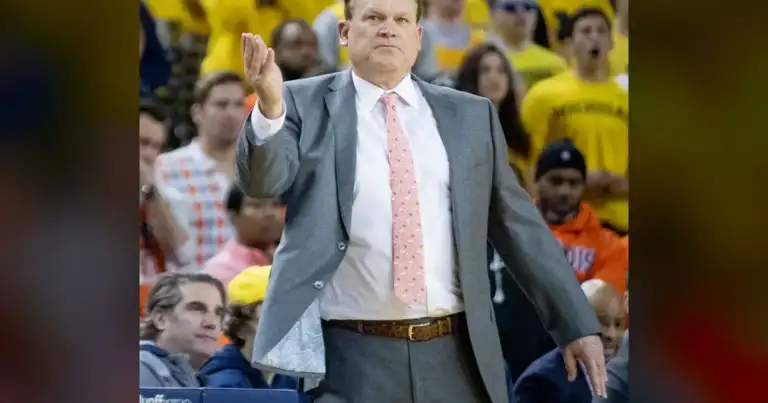

The numbers are in, and they’re staggering: Brad Underwood, fresh off leading the Illinois Fighting Illini to their first NCAA Men’s Final Four appearance since 2005, has secured a monumental seven-year contract extension. Announced on May 15, 2026, this deal averages a hefty $5.5 million annually, a clear signal that the university is not merely rewarding past success but investing aggressively in future contention. The price tag for a historic run that culminated in a hard-fought 85-79 Final Four loss to Duke is now etched into the athletic department’s balance sheet, and it demands scrutiny.
Illinois isn’t just paying market rate; they’re setting it. This kind of financial commitment, particularly after a single deep tournament run, shifts the paradigm. It telegraphs a clear institutional ambition: Illinois isn’t content with just being a Big Ten contender; they’re aiming for the national elite, and they’re betting $38.5 million that Underwood is the coach to get them there.
The Escalating Cost of March Madness Glory
Let’s break down the economics. A total of $38.5 million over seven years isn’t just a raise; it’s a strategic investment, a move designed to anchor a program and ward off potential suitors. This isn’t a casual agreement; it’s a declaration of intent, backed by serious capital from Illinois Athletics.
Underwood’s regular season performance laid the groundwork, with a robust 27-7 record and a share of the Big Ten regular-season title. But it was the tournament, the ultimate test of college basketball, where the true value proposition emerged:
- First Round: A dominant 88-67 victory over (15) Oakland, a performance that analytics predicted would be comfortable, and it was.
- Second Round: A statistically sound 75-65 win against (7) Washington State, demonstrating tactical superiority.
- Sweet Sixteen: A gritty, high-stakes 82-78 triumph over (3) Baylor, where the predictive models had Illinois as slight underdogs, making the win all the more impressive.
- Elite Eight: The seismic upset, a 70-68 nail-biter against (1) Purdue. This was a low-probability outcome that swung heavily on late-game execution and a touch of bracket magic.
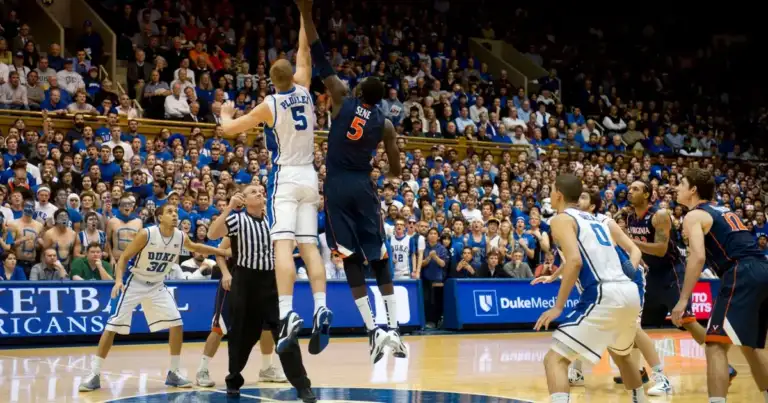
This journey, a rollercoaster of statistical probabilities and clutch performances, culminated in the Final Four. While their run ended with the 85-79 defeat to (2) Duke, it marked only the sixth Final Four appearance in program history, a significant data point for any program looking to elevate its national profile.
“I am incredibly grateful to Chancellor Jones and Josh Whitman for their unwavering support and belief in our vision for Illinois Basketball,” Brad Underwood stated. “My family and I are thrilled to continue building on this foundation and striving for even greater heights.”
Underwood’s statement, while standard, underscores the institutional alignment. Athletic Director Josh Whitman’s comments further solidify this narrative, emphasizing a transformation that, according to the numbers, has indeed occurred. Whitman’s confidence isn’t just rhetorical; it’s backed by a multi-million dollar commitment.
“Brad Underwood has transformed our men’s basketball program into a national contender,” said Josh Whitman. “This extension reflects our confidence in Brad’s ability to lead us to continued success, including competing for and winning national championships.”
The phrasing “competing for and winning national championships” is critical. It moves beyond mere contention, setting a definitive, high-bar expectation for the program’s future performance metrics.
The Illusion of Guaranteed Glory: Can Money Buy a National Title?
The central question now isn’t whether Underwood is a good coach; it’s whether this astronomical deal guarantees the ultimate prize: a National Championship. The cold, hard data, and historical precedent, scream a resounding “no.”
College basketball, particularly in the NIL and transfer portal era, is a brutal, unpredictable beast. One transcendent tournament run, however thrilling, does not fundamentally alter the underlying statistical probabilities of winning a national title.
The landscape is littered with elite programs, each battling constant roster turnover, the whims of one-and-done talents, and the strategic chess match of the transfer portal. Sustained excellence is exponentially harder to achieve than a singular peak performance.
Consider the historical context: numerous coaches have inked massive extensions following Final Four appearances. A significant percentage of them never manage to hoist that ultimate trophy.
The correlation between a single deep tournament run and a future championship is far weaker than many fans or athletic directors might hope. Longevity, consistent top-tier recruiting, and adaptive player development are more realistic, measurable goals than the elusive championship banner.
While this deal undoubtedly bolsters recruiting, sending a strong message of stability and financial backing, recruitment is merely the first variable in a complex equation. Top prospects are drawn to winning programs with secure coaching, but the journey from prospect to champion is fraught with challenges.
Player development, fostering team chemistry amidst an ever-changing roster, and seamlessly integrating transfers are equally, if not more, crucial. These elements are incredibly difficult to maintain year after year, especially when the pressure on Underwood will now intensify to deliver on the implicit promise of a championship.
The Unvarnished Truth: A Strategic, Not Sentimental, Investment
Let’s strip away the sentiment and look at this deal through a purely analytical lens. This new contract for Underwood is less about gratitude and more about cold, hard market dynamics. It’s a preemptive strike, a defensive maneuver against the frenzied ecosystem of modern college sports.
The online discourse is already buzzing with the cynical truth: this is “how college sports now works.” A single, successful tournament run triggers the money printer. It’s not a reward for past deeds; it’s a strategic investment to prevent future poaching.
Universities are locking up their coaches, often at inflated rates, before rival programs or deep-pocketed boosters can even whisper sweet nothings in their ear. It’s a financial arms race, and Illinois just fired a significant volley, capitalizing on a peak moment of program energy and public enthusiasm.
Critics, myself included, might argue that Illinois is “rewarding variance.” They are mistaking a statistically improbable, albeit spectacular, tournament performance for a fundamentally “solved” program. This is a common trap in sports management: overreacting to outliers rather than focusing on sustainable, predictable performance metrics.
The emotional postgame quotes, the talk of “family” and “guts” – while genuine in the moment – serve as the narrative dressing for a big contract announcement. The real drivers are leverage, financial power, and the intense competitive pressure of the college athletics market.
This deal unequivocally signals Illinois’ commitment to competing at the highest level. They’re willing to pay for it, a clear and unambiguous signal to their peers and recruits. But a check, however substantial, does not guarantee a championship.
Underwood now carries the immense weight of those expectations. This isn’t just about another deep run; it’s about delivering the ultimate prize.
The data suggests the path is fraught with statistical improbabilities, but the ball is now firmly in his court. Can he defy the odds and turn this monumental investment into a championship legacy?
Photo: Wikimedia Commons (query: Brad Underwood)
Source: Google News