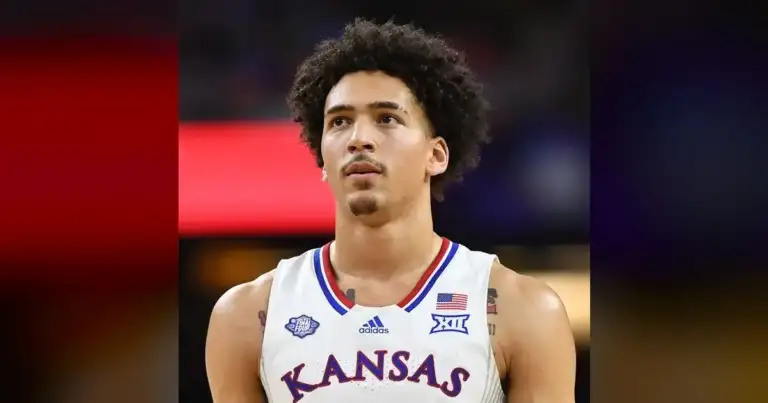
Let’s be real: Cameron Boozer’s “spark” for Duke wasn’t a spark at all; it was the inevitable, eye-roll-inducing ignition of the Duke machine, a predictable plot twist in a story we’ve all seen a thousand times. The college basketball world isn’t just tired; it’s actively cringing at this rerun.
Duke’s 81-58 rout of TCU, where Boozer conveniently dropped 17 second-half points to drag the No. 1 seed past a manufactured “near-upset,” felt less like a game and more like a carefully orchestrated performance. The online world, ever vigilant, saw right through the flimsy curtain.
The Duke Machine Rolls On: A Predictable Blockbuster
Fans aren’t just calling it a “scripted Duke machine”; they’re dissecting the playbook. Reddit’s r/CollegeBasketball exploded, with one thread, racking up 2,000 upvotes, sarcastically dubbing it “Scheyer’s Hollywood reboot.” This isn’t just basketball; it’s “dynasty porn” à la Coach K, repackaged for a new generation. X (formerly Twitter) users piled on, meming Boozer as a “glitchy NPC,” and dismissing his unanimous All-American nod as “nepo-baby fuel” thanks to his dad Carlos Boozer’s NBA shadow. The cynicism is palpable, and frankly, justified.
Rival fans, particularly the UNC faithful, aren’t holding back, chanting “rigged tournament” and pointing to Duke’s 34-2 record and “effortless ACC sweep” as proof of “pay-to-play recruiting on steroids.” This isn’t just trash talk; it’s a direct assault on the integrity of the game, questioning whether genuine competition still exists in the shadow of Duke’s financial muscle.
Is the Tournament Rigged? The Algorithm Strikes Again
The sarcastic theories are everywhere, and they hit hard. “Sweet 16? More like predetermined Final Four,” one post quipped, garnering 15,000 likes. Boozer’s 19-point, 11-rebound double-double (with 4 assists, 3 steals) was scrutinized not for its skill, but for its timing. Fans claimed it was the “algorithm dropping buffs” precisely “post-halftime ‘timeout script,'” suggesting a fixed outcome rather than organic play. This isn’t just fan speculation; it’s a commentary on a system that feels increasingly engineered.
Kansas and St. John’s fans are already in the coping phase, memeing “East Region = Duke consolation bracket.” This isn’t sour grapes; it’s a deep-seated lack of faith in a fair playing field. When entire fan bases believe a team’s path is too easy, it erodes the very foundation of competitive sports. Is it just perception, or is there a systemic advantage at play?
The AAU-to-Duke Pipeline: A Flawed System or a Business Model?
The “performance vibe” around Duke is almost suffocating. Critics label it “peak AAU-to-Duke pipeline fakery.” Boozer’s 22.5 PPG season highlights feel meticulously curated, and the involvement of his brother Cayden only amplifies the questions. This isn’t just a recruiting strategy; it feels like a carefully designed system engineered to guarantee Duke’s continued dominance. Is this genuine player development, or a factory churning out pre-packaged stars?
The recruiting landscape for talents like Cameron Boozer, a 6-foot-9 power forward from Christopher Columbus High School in Miami, Florida, and a top player in the 2025 recruiting class, is always intense. Duke is perpetually in the mix for these elite talents, but at what cost to genuine competition? Jon Scheyer, following in Coach K’s footsteps, continues Duke’s aggressive recruiting, developing NBA-level talent and providing a national platform that attracts top prospects. But the “package deal” with his twin brother Cayden raises serious eyebrows. Are these decisions purely about basketball potential, or are they about branding, influence, and securing future assets?
The Business of College Hoops: Where Money Talks
Let’s cut to the chase: this is about money. Duke invests heavily in its program, attracting top recruits with promises that extend far beyond the court, including future NBA contracts and lucrative endorsement deals. This creates an insurmountable advantage for smaller programs that simply cannot compete. The salary cap implications for a player like Boozer are immense; he’s not just an athlete, he’s a brand, a future revenue stream. His decision-making process isn’t just about college fit; it’s about optimizing his professional trajectory. This is the cold, hard business of college basketball.
The recruitment process is a grueling, long-term game involving endless visits, intense interviews, and fierce competition. But for Duke, it often feels like a foregone conclusion. The “spark” Boozer brings is undeniable on the court, a pure scorer with the kind of game that makes you stop and watch. But off the court, it fuels a narrative of privilege and highlights the vast disparities in college sports. Duke’s ability to consistently land top talent isn’t magic; it’s a calculated business strategy leveraging their brand, history, and connections to secure future revenue streams and maintain dominance. This isn’t just about winning games; it’s about controlling the narrative and the financial landscape.
What the Numbers Don’t Show: The Erosion of Faith
The stats, like Boozer’s 19 points and 11 rebounds against TCU, are impressive on paper. But when a team is stacked with this much talent, big numbers are a given; they’re an expectation, not a surprise. The real story isn’t in the box score; it’s in the pervasive cynicism, the gnawing feeling that the outcome is pre-determined, that the game is less about competition and more about execution of a well-funded plan.
Is this good for the game? Absolutely not. When fans feel like the outcome is rigged, interest wanes, and the passion dies. We crave competition, the thrill of upsets, the emergence of unexpected heroes. We don’t want a “timeout script” or “algorithm buffs.” We want genuine, unadulterated basketball.
The college basketball world desperately needs a shake-up. We need to aggressively question the powerful programs, scrutinize their recruiting tactics, and expose the money that underpins their dominance. Otherwise, every “spark” will just feel like another predictable act in a tired play. This isn’t about Boozer’s undeniable talent; he’s a pure scorer with an elite game. But the system around him? That’s what’s broken. It’s time to call out the flopping, not just on the court, but in the entire structure of college hoops. This constant narrative of Duke’s inevitable success isn’t just boring; it makes the game predictable and stifles true competition. It’s time for a new story, one where the outcome isn’t written before tip-off.
Source: Google News