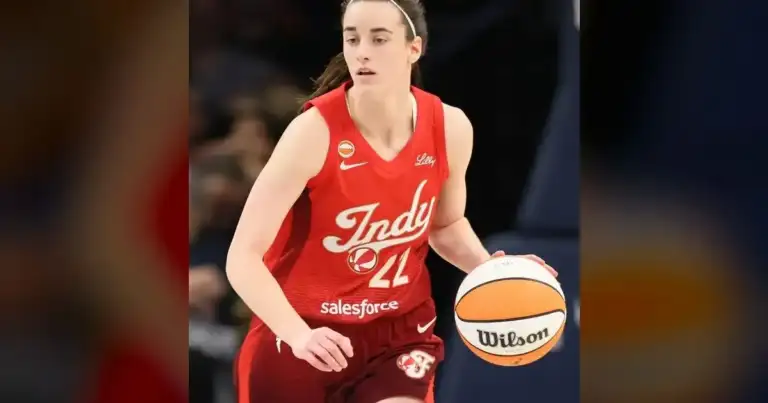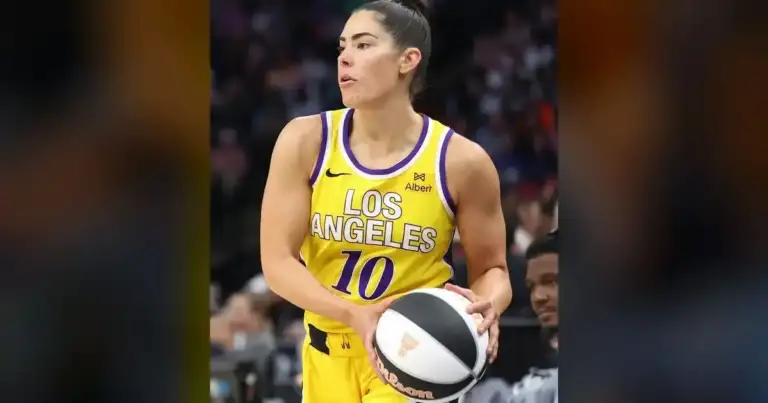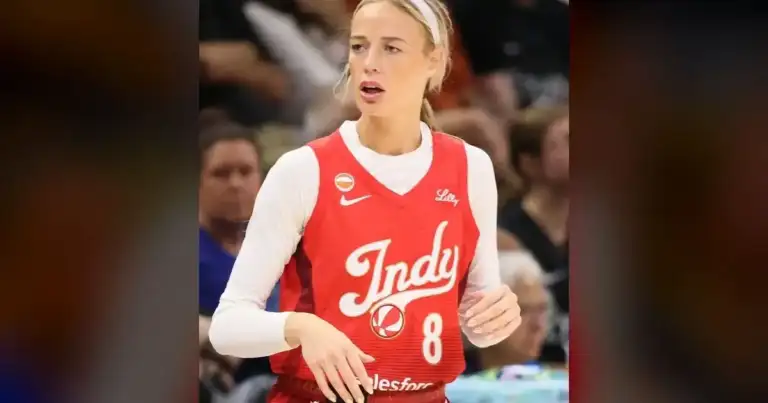

Forget the final score, because the WNBA just served up a main course of raw, unapologetic drama, and DiJonai Carrington wasn’t just at the table – she was the table. Her flagrant ejection isn’t just a foul; it’s a seismic tremor shaking the Connecticut Sun’s playoff hopes and raising uncomfortable questions about player safety, personal beefs, and the league’s appetite for a good old-fashioned street fight.
The fireworks erupted in the third quarter of Tuesday’s Mercury-Sun showdown at Phoenix’s Footprint Center, a game that quickly devolved from competitive basketball to a bare-knuckle brawl. Carrington, the Connecticut Sun’s fiery forward, was slapped with a Flagrant 2 foul for what officials deemed ‘excessive contact’ to Sophie Cunningham’s head and neck area – a polite way of saying she went for the jugular.
Benches cleared faster than a celebrity chef’s dinner party when the paparazzi show up. Words flew, tempers flared, and anyone watching knew this wasn’t just a play; it was the explosive climax (or perhaps, just the latest act) in a simmering, nasty, and deeply personal rivalry that has been brewing for seasons.
The Social Media SmackDown
But the real fireworks, as always, truly ignited when the players traded the hardwood for Twitter fingers. The court drama merely set the stage for a social media smackdown, where both players and their teammates unleashed a flurry of digital jabs, turning their personal beef into public spectacle.
As TMZ – always first on the scene when the drama is this juicy – was quick to point out, this isn’t just about basketball. This is visceral, deeply personal animosity that spills over from the court, into the locker room, and onto the timelines of millions.
“I’m just tired of the cheap shots. I’m out here trying to play basketball, and some people just want to play dirty. The league needs to protect its players.”
— Sophie Cunningham, Phoenix Mercury Guard
Carrington, never one to back down, wasted no time firing back. Though her initial social media post was swiftly deleted – perhaps a PR team scrambling to contain the damage – the message was clear: she hinted that Cunningham was merely getting a taste of her own medicine, a player who ‘plays dirty’ then conveniently ‘cries foul’ when the tables turn.
“Some people cry foul when they’re the ones playing dirty all along. Keep that same energy.”
— DiJonai Carrington, Connecticut Sun Forward (deleted social media post)
Let’s be brutally honest: this is the stuff that sells tickets. This is what gets eyeballs glued to the WNBA, far more than any box score ever could. Forget the clinical stats; this is about raw, unfiltered emotion, personal beefs playing out in prime time, and the kind of drama that makes reality TV look tame.
Suspension Watch: The League’s Next Move
The million-dollar question now hangs heavy in the air, thick with anticipation: Will DiJonai Carrington actually face a suspension? The WNBA’s disciplinary committee is already poring over the Flagrant 2, and if history is any guide – and in this league, it usually is – a one-game suspension is practically a foregone conclusion.
And let’s not pretend this is an isolated incident. Carrington, for all her undeniable talent, has a rap sheet when it comes to on-court antics: a history of technical fouls, heated verbal altercations, and an undeniable tendency to push the envelope. While this may be her first Flagrant 2 ejection of 2026, make no mistake, the league office has a long memory, and every prior incident will be weighed heavily in their judgment.
The league, in its ongoing quest to balance entertainment with integrity, has no choice but to draw a very public, very firm line in the sand. They preach player safety like gospel; to ignore this blatant act would not only be hypocritical but would send a dangerously permissive message to every player looking to settle a score.
Sun’s Playoff Hopes on the Line
For the Connecticut Sun, a suspension for their fiery forward isn’t just a setback; it’s a gut punch that could derail their entire season. Currently clinging to third place in the WNBA standings, they’re locked in a brutal battle for a top-four seed, and with it, crucial home-court advantage.
Home-court advantage in the playoffs isn’t just ‘huge’; it’s often the difference between a deep run and an early exit. Losing Carrington, a player who anchors their defense and chips in vital scoring, isn’t just ‘hurting their rotation’; it’s ripping a hole in their identity and leaving a gaping void in crucial upcoming games.
And the timing couldn’t be worse. The Sun’s very next game pits them against the New York Liberty, a direct, fierce competitor breathing down their neck in the standings. Missing Carrington for that high-stakes matchup won’t just be ‘disastrous’; it could be the kind of fatal blow that haunts them all the way to the offseason.
Of course, Carrington isn’t without her defenders. Teammate Brionna Jones, ever the loyal soldier, quickly jumped to her defense, dismissing the incident as merely a ‘physical play, not malicious.’ But let’s be real: the league office, with its rulebooks and player safety mandates, rarely sees ‘passion’ when they see a hand to the head. They see a violation.
“DiJonai plays with passion. It was a physical play, not malicious. This is basketball.”
— Brionna Jones, Connecticut Sun Teammate
On the other side of the court, Mercury Coach Stephanie White minced no words. “What happened tonight was beyond the rules, and it’s unacceptable,” she declared, drawing a stark line in the sand. This isn’t just about a game; it’s about setting a precedent, protecting players, and the very reputation of the league itself.
The WNBA’s Tough Balance
This whole explosive mess shoves the WNBA into a classic Catch-22. On one hand, they crave the intense rivalries, the unscripted drama, the very ‘human element’ that skyrockets viewership and puts butts in seats. On the other, they have a sacred duty to protect their players from becoming collateral damage in these personal wars.
And let’s be clear: this isn’t some random, isolated dust-up. Cunningham and Carrington have a storied history of bad blood. Remember the verbal fireworks in July 2025? Or the ‘accidental’ physical bump in April 2026 that ignited a fresh round of trash talk? This isn’t just a rivalry; it’s a saga, a slow-burn feud that has been escalating for years.
This Flagrant 2 ejection, then, isn’t just the biggest escalation yet; it’s a stark, undeniable testament to how deeply personal these feuds can become, bleeding from competitive fire into something far more volatile. It’s also the league’s undeniable declaration: they will not tolerate dangerous play, no matter how much ‘passion’ or ‘just basketball’ is invoked as an excuse.
The WNBA is walking a tightrope, forced to manage player conduct with an iron fist while simultaneously knowing that its very pulse beats to the rhythm of this competitive fire. It’s a delicate dance between control and chaos, and right now, chaos is winning the headlines.
So, what’s the real cost here? Carrington’s wallet, sure. The Sun’s playoff seeding, absolutely. But beyond the immediate penalties, this incident rips back the curtain on the raw, unvarnished truth of professional sports: every action, every personal grudge, every moment of unfiltered drama, carries a price. And in the high-stakes world of the WNBA, where reputations are forged and shattered in an instant, DiJonai Carrington just paid a hefty installment. Will the league truly make an example, or will they quietly acknowledge that sometimes, a little bad blood is exactly what the doctor ordered for ratings? Only time, and the next social media post, will tell.
Photo: johnmac
Source: Google News