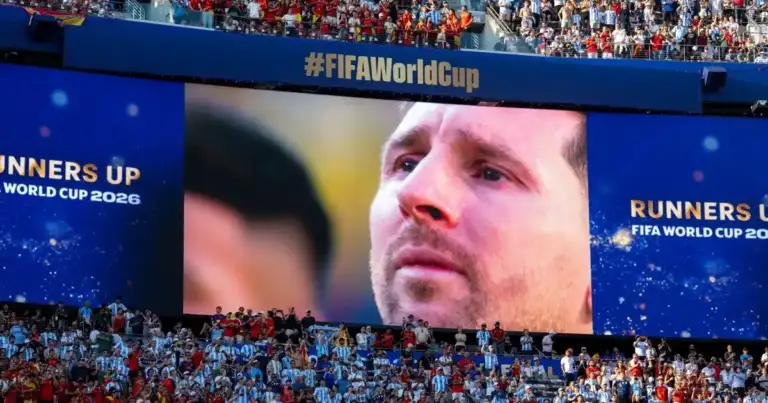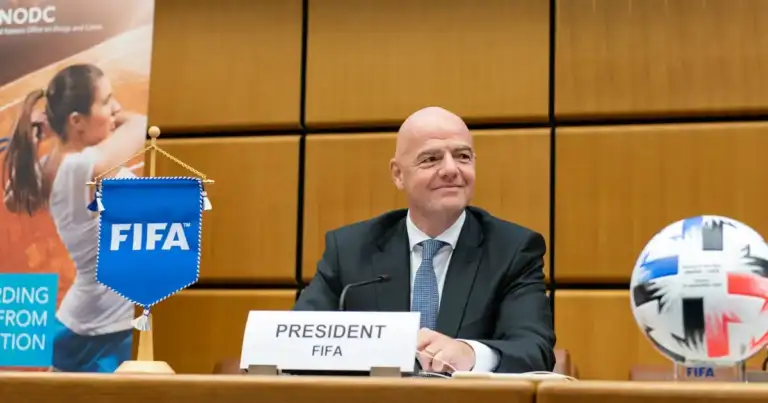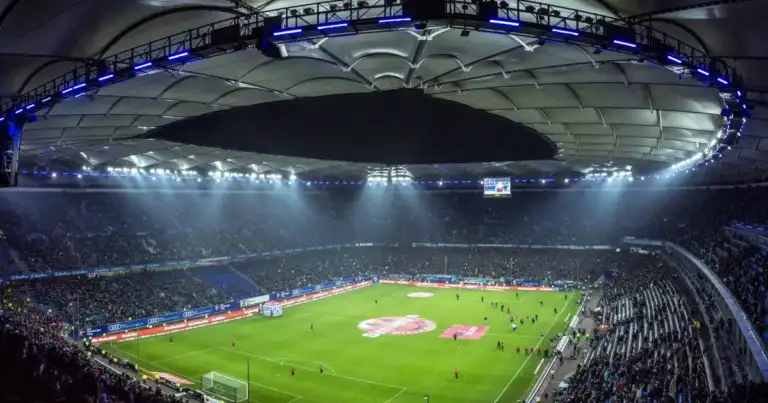

Last night’s game South Korea vs Czechia was almost played in an empty Stadium. More people were at watch parties around the big cities. Especially metro areas with Korea Towns were heating up. It was a great and nail biting game; but the hype around the event is bigger than the actual participation. it was a beautiful lie, broadcast to millions: a cavernous stadium, peppered with thousands of empty seats, a silent indictment of FIFA’s grand illusions.
The Illusion of a Full House
The official word came down from on high: 62,000 fans packed into stadium. A robust number, a grand declaration of football’s global appeal, right? I call it what it is: absolute nonsense.
Anyone who was there, anyone with a working set of eyeballs watching the match on any international feed, knows that figure is, at best, a creative accounting exercise. Entire sections were visibly sparse, the empty rows a gaping hole in the supposed wall of sound and passion. This wasn’t just a handful of no-shows; this was a gaping maw in the stadium’s supposed capacity, more reminiscent of a rainy Tuesday night MLS match than a World Cup group stage battle featuring a host nation.
It forces us to ask the uncomfortable question: if a host nation, playing a crucial match, cannot command a full house, what does that portend for the rest of this sprawling tournament? What happens when the big names aren’t playing?
FIFA’s Grand Ambition vs. Ground Reality
This isn’t merely a specific city problem; it’s a glaring symptom of a larger, systemic issue. FIFA, in its relentless, insatiable pursuit of expansion and revenue, has pushed for a mega-tournament across multiple nations.
Often, these venues, while architecturally impressive, might be simply too large or too costly for the average fan to consistently fill. The ticket prices for this tournament are not just high; for many, they are an astronomical barrier, a cruel joke played on the working-class families and passionate ultras who form the true bedrock of football culture.
When you factor in travel across vast North American distances, exorbitant accommodation, and the general inflationary vortex of a major international event, it doesn’t just price out a portion of fans; it systematically excludes the very heart and soul of the sport.
I’ve seen the passion in the stands from Buenos Aires to Berlin, from the dusty pitches of Senegal to the roaring terraces of Istanbul – and it’s rarely found in the corporate boxes FIFA now prioritizes.
Is this merely a colossal miscalculation, a failure to grasp basic market dynamics? Or, and I suspect the latter, is it a calculated strategy to inflate attendance figures, regardless of the actual turnstile count, purely to justify the astronomical sums paid for hosting rights and broadcast deals?
The optics of a full stadium are crucial to FIFA’s brand. They sell the dream of packed houses and fervent support.
When the reality falls short, the numbers often get massaged to fit the narrative. It’s a tale as old as time in major sporting events: announce big, look good on paper, and desperately hope nobody notices the gaping holes.
The stark truth is, FIFA needs these stadiums to appear full to maintain the illusion of overwhelming demand. It’s not about the fans in the seats; it’s about the broadcast revenue and the political capital that comes from appearing to deliver a global phenomenon on an unprecedented scale.
The public debate is heating up, and rightly so. Fans are questioning the accessibility of the World Cup, and more importantly, they’re questioning the transparency of FIFA’s official figures. When visual evidence directly contradicts the announced attendance, it doesn’t just erode trust; it shatters it. It makes you wonder what other numbers, what other truths, are being inflated or downplayed behind the scenes in FIFA’s gilded towers.
THE RED MARKER VERDICT
Let’s be brutally honest. These empty seats at the game aren’t a mistake; they’re a direct, unavoidable consequence of FIFA’s insatiable drive for profit and relentless expansion.
They push for more games, bigger stadiums, and higher ticket prices, all while expecting the global public to simply absorb the cost and turn up in droves. When reality inevitably bites, they inflate the attendance figures, plain and simple.
It’s not about the love of the game; it’s about the optics of a successful, lucrative spectacle that justifies their exorbitant demands for future host cities. The hypocrisy is not just palpable; it’s a festering wound on the soul of the sport.
FIFA trumpets ‘growing the game,’ yet systematically prices out the very fans who are its lifeblood, the working-class supporters who built this global phenomenon brick by passionate brick.
These empty seats are not a minor oversight; they are a blazing red flare, exposing the fundamental rot within FIFA’s gilded, profit-driven empire.
They prove, unequivocally, that even the World Cup, the crown jewel of football, cannot escape the brutal, undeniable laws of economics, supply, demand, and the crushing weight of inflated, avaricious expectations. The question isn’t if the facade will crumble, but when.
Photo: FABIO RODRIGUES-POZZEBOM/ABR
Source: Google News