
Forget the spreadsheets and the pitch-tracking data for a moment.
What we witnessed on Wednesday wasn’t just a rehab start; it was a public humiliation for Max Scherzer and a stark, flashing red warning for the New York Mets’ colossal investment.
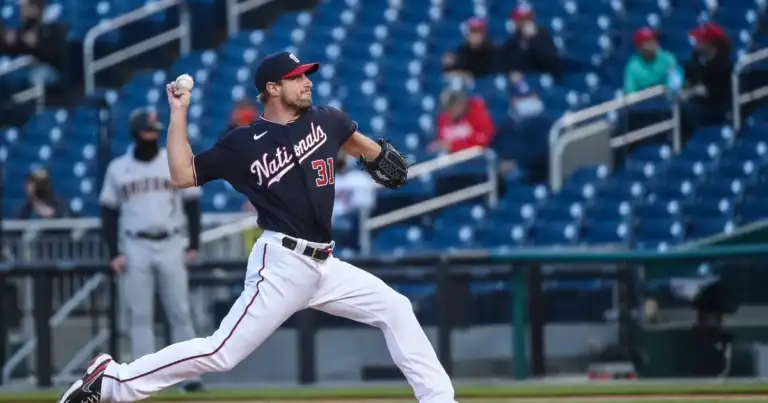
A future Hall of Famer, still drawing a princely $43.3 million this season, got absolutely carved up by a bunch of hungry kids in Triple-A, as his Syracuse Mets fell to the Worcester Red Sox 6-4.
This isn’t just about a bad outing; it’s about the very mechanics of a multi-million-dollar gamble going sideways.
Scherzer’s Pricey Pitching Problem
Let’s talk brass tacks. Scherzer is in the third year of a gargantuan three-year, $130 million contract – a deal that screams ‘World Series or Bust.’ That kind of money doesn’t just demand dominance; it commands it.
Yet, there he was, struggling to find the plate, tossing 72 pitches with a paltry 48 for strikes. This isn’t just an off-night; it’s a profound statement about value versus performance.
When you’re paying a pitcher over $43 million for a season, every single outing, every single pitch, is under the microscope. To cough up 3 earned runs on 5 hits in a mere 4.0 innings against players who are still dreaming of the show? That’s not a rehab outing; that’s a liability.
His triceps strain might be the physical culprit, but the mental game, the command, the sheer will to dominate that defines an ace, seemed utterly absent.
The Mets are desperate for his return, no doubt. Their playoff hopes are hanging by a thread, and their rotation needs a shot in the arm.
But rushing a compromised asset back into a major league rotation already under immense pressure would be less a solution and more a catastrophic gamble on their season. This isn’t about some ‘feel good’ narrative; it’s about the cold, hard reality of a nine-figure investment failing to deliver even against minor league talent. What exactly are the Mets paying for?
WooSox Prospects Show Heart and Hustle
While Scherzer wrestled with his demons, the young guns of the Worcester Red Sox put on a clinic of what ‘real baseball’ looks like.
These kids didn’t care about the name on the back of the jersey or the Cooperstown plaque awaiting Scherzer. They saw a pitcher, albeit a legendary one, who was vulnerable, and they attacked.
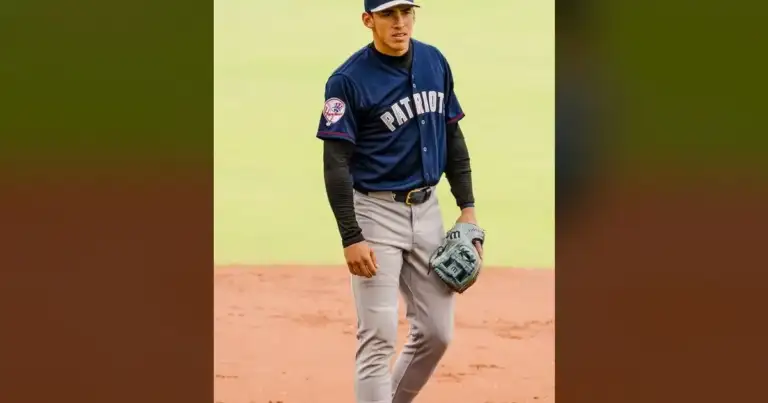
Marcelo Mayer, the Red Sox’s top shortstop prospect, didn’t waste time, smacking a leadoff single in the first and promptly scoring. That’s hustle. That’s setting a tone.
Roman Anthony, another highly-touted prospect, followed suit with a double and later blasted a crucial two-run single off Scherzer in the third. That’s how you make a statement, not with launch angles or exit velocity metrics, but with pure, unadulterated hitting.
Even a seasoned veteran like Bobby Dalbec, fighting for a roster spot, launched a solo home run off the legendary pitcher.
They showed no fear, no reverence for the unwritten rules of giving an aging legend an easy path. They played to win, validating their farm system and proving that talent and grit can still trump a bloated payroll.
This wasn’t some minor league scrimmage; it was a proving ground, and the WooSox prospects passed with flying colors, delivering a decisive 6-4 victory.
This kind of performance from the farm system should send a clear message to Boston’s front office: their player development pipeline is nurturing genuine talent, a stark contrast to the Mets’ current predicament.
The True Cost of a Compromised Ace
Scherzer, ever the stoic, claimed to feel “physically good.” But as any old-timer will tell you, “feeling good” and “pitching good” are two entirely different ballgames.
His performance on the mound was a stark contradiction to his locker-room assessment. The Mets now face a critical juncture, evaluating his upcoming bullpen session on Saturday.
This isn’t a time for optimism or wishful thinking; it’s a time for brutal honesty. One shaky rehab start, where an ace looks anything but, is not sufficient for a pitcher of his caliber, especially one commanding such an exorbitant salary.
Throwing him back into a major league rotation prematurely isn’t just a risk; it’s a fiscal and competitive blunder.
It could easily lead to another stint on the injured list, or, far worse for a contending team, a string of ineffective starts that actively sabotage their season.
The financial implications alone are staggering: every start he makes, effective or not, costs the Mets hundreds of thousands of dollars.
This isn’t about getting him innings; it’s about getting him sharp, dominant.
A true ace, a man worthy of that enormous contract, does not surrender 3 runs in 4 innings to Triple-A hitters. The game, and the Mets’ demanding fan base, expects more.
The front office, under immense pressure, needs to decide if they’re paying for a name, or for actual, game-winning performance.
This entire debacle is a textbook case of the modern game’s fundamental flaw: franchises throwing obscene amounts of money at aging stars, then simply crossing their fingers and hoping for the best during rehab.
The New York Mets, with their record payroll, are now staring down the barrel of a multi-million-dollar problem.
Even legends, even future Hall of Famers, can lose their edge, and the game, in its purest form, will expose it.
The young WooSox, with their fearless swings and genuine hustle, proved that the game remains, at its heart, about performance on the diamond, not the size of the contract or the analytics printout.
The Mets have a decision to make: do they continue to pay for a ghost of past glory, or do they demand the performance that $43.3 million per year truly warrants?
The future of their season, and perhaps even the tenure of those in the front office, hinges on that answer.
Because in baseball, unlike in the boardroom, you can’t buy wins; you have to earn them, pitch by pitch.
Source: Google News