
Sometimes, the internet buzzes with genuine excitement. Other times, it vibrates with a more unsettling hum – the sound of collective confusion, perhaps even a touch of sadness.
This week, the digital air is thick with talk of a Ronda Rousey vs. Gina Carano weigh-in video. For many long-time MMA fans, however, it feels less like a historic moment and more like a glitch in the matrix.
A quick scroll through social media shows not anticipation, but a wave of skepticism so palpable, you can practically hear the collective eye-roll.
This match-up, once upon a time, was the ultimate “what if” in women’s MMA. Picture it: the unstoppable force of Ronda Rousey, dominating the UFC bantamweight division with an iron grip, against the trailblazing power of Gina Carano, who had already carved her legend before gracefully transitioning to Hollywood. It wasn’t just a dream fight; it was a fever dream, whispered about constantly around 2014-2015, a clash of titans that promised to define an era.
The Echo of a Manufactured Moment
Now, to stumble upon a weigh-in video for this fight feels like unearthing a ghost from a past timeline – a phantom limb of a moment that never truly was.
Both women have long, definitively retired from professional MMA. Ronda Rousey’s last electrifying, albeit heartbreaking, fight was in December 2016. She then successfully pivoted to WWE and focused on the deeply personal journey of motherhood.
Gina Carano, the pioneer, stepped out of the cage even earlier. Her last professional fight was in August 2009, fully committing to her burgeoning acting career.
The current presentation of this “weigh-in” doesn’t just feel distinct; it feels deliberately artificial.
We’re seeing glossy, high-production face-off clips, accompanied by an almost religious reverence for “historic” language. There’s an overcooked seriousness to the whole affair, a theatricality that feels engineered rather than organic.
It’s less like a raw, unpredictable sporting event and more like a meticulously crafted content farm trailer. It’s designed with surgical precision to harvest clicks and generate buzz, regardless of substance.
Why the Fans Are Rightly Cynical
The public reaction, frankly, is a gut punch to the promoters, and it’s not hard to see why. People are calling this “legacy-brand theater,” and the label sticks. It feels less like a genuine competition and more like a meticulously choreographed show, a performance art piece rather than a true athletic contest.
“This is just legacy-brand theater.”
“Performance art, not competition.”
“They’re trying to manufacture ‘historic’ energy.”
“The weigh-in is the product.”
These aren’t just theories; they’re the collective wisdom of a fanbase that knows the difference between hype and heart.
Fans rightly suspect that the actual fight, if it even happens in any meaningful capacity, is secondary. The real goal is to create viral clips, generate reaction bait, and monetize nostalgia.
The entire production feels far too self-aware to possess any genuine authenticity. When everyone involved speaks like they’re starring in a legacy documentary before the legacy has even been truly established, viewers don’t hear genuine candor; they hear marketing copy.
The insistence that this manufactured moment is “changing the sport” only deepens the suspicion. It’s a classic, transparent move: hype something to the heavens, then watch the audience instantly smell the marketing, like a wolf catching a scent on the wind. Do they truly believe we’re that easily fooled?
The “What If” That Was Never Meant to Be
The truth is, the Ronda Rousey vs. Gina Carano fight was a genuine “what if” for a long, agonizing time. It represented a clash of eras and styles that fans genuinely yearned to see. Rousey was the judo phenom who single-handedly dragged women’s MMA into the mainstream spotlight of the UFC. Carano was the striking sensation who broke barriers and captivated audiences in Strikeforce, proving women could be both powerful and popular. Both were undeniable forces, pioneers in their own right.
The timing, however, was never right back then. Now, with both women firmly in retirement for years, bringing this “weigh-in” to the forefront feels not just forced, but almost disrespectful to the genuine competitive spirit they once embodied. It taps into that longing for what could have been, that wistful glance back at a missed opportunity, but without the actual competitive stakes, it’s a hollow echo.
It’s like finding a beautifully designed vintage poster for a legendary concert that never happened, only for someone to try and sell you tickets to that same non-event today. The nostalgia is undeniably there, a bittersweet ache, but the event itself utterly lacks credibility. What exactly are we supposed to be buying into?
Darnell’s Take: The Nostalgia Trap
Let’s be real, and let’s not mince words. This whole thing smells of a desperate grab for attention, riding on the coattails of two legitimate legends who earned their stripes through blood, sweat, and genuine competition. It’s not about the sport; it’s about the spectacle. It’s about squeezing every last drop of engagement from a dream that died, respectfully, years ago.
The weigh-in is polished to a blinding sheen. The narrative is overblown, crafted to make you feel like you’re witnessing history, but the only history being made is how transparently promotions can manufacture “moments” in the digital age. The audience, bless their discerning hearts, isn’t fooled. They recognize the vast chasm between genuine sporting anticipation and a carefully constructed media package designed purely for consumption.
This isn’t about two fighters stepping on the scales to face a real challenge, to test their mettle against a worthy opponent. This is about selling a feeling. It’s about monetizing the past, hoping fans will forget the present reality of their careers and the true meaning of athletic competition. That’s the cold, hard truth of it, stripped bare.
The Red Marker Verdict here is simple and unyielding: this “weigh-in” is a prime example of sports entertainment trying to mimic genuine competition. It’s a manufactured memory rather than a moment of true athletic gravitas.
The audience sees right through it, and perhaps, we should all demand more. What does it say about the state of sports entertainment when we’re asked to celebrate a phantom weigh-in more than a decade after the real window closed?
Perhaps it’s a call for us, the audience, to demand more. To remember the thrill of genuine competition, the raw honesty of two athletes truly putting it all on the line, and to politely decline the manufactured memory.
Because some dreams, no matter how grand, are best left as beautiful ‘what ifs’ rather than resurrected as hollow echoes.
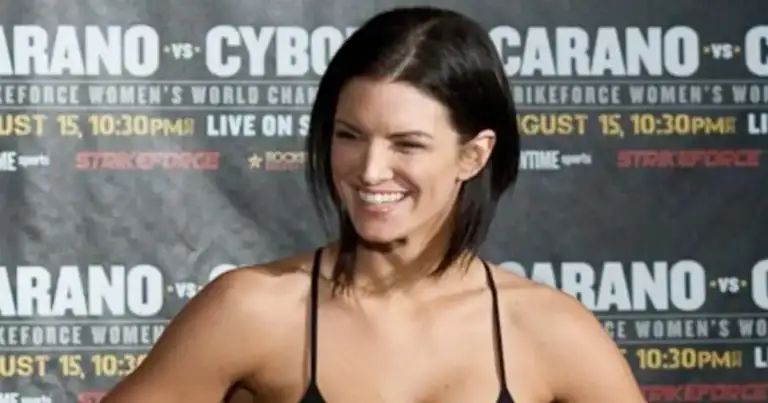
Photo: Wikimedia Commons (query: Gina Carano weigh)
Source: Google News