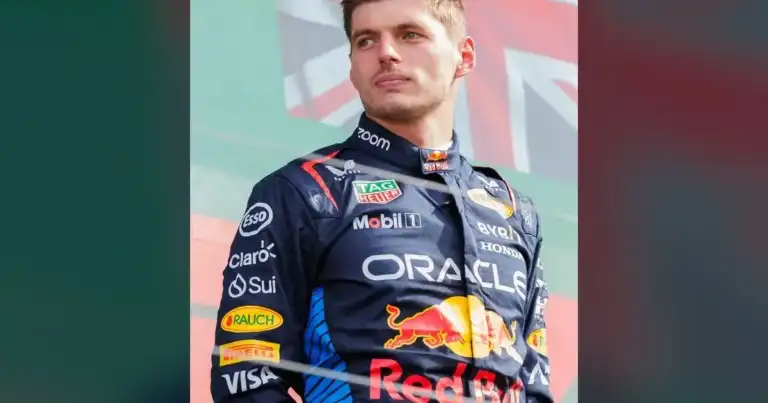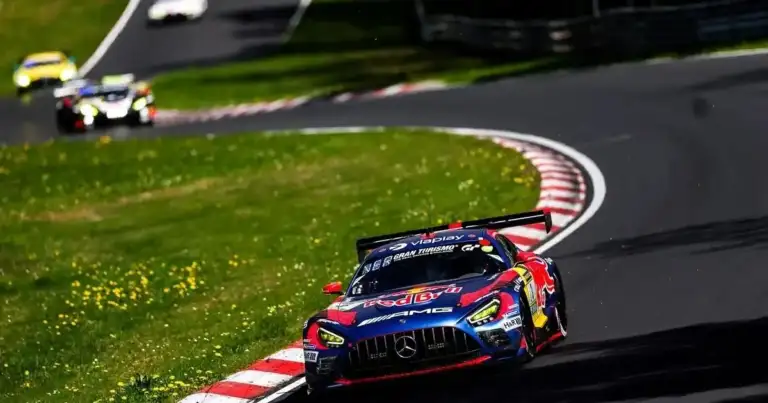

Forget the corporate PR spin and sanitized press releases. A bombshell just dropped on the sterile world of Formula 1: Max Verstappen. On May 11, 2026, the reigning world champion didn’t just drive an RB18 on the legendary Nürburgring Nordschleife; he unleashed it.
This wasn’t some tame parade lap. This was the actual, brutal “Green Hell,” a track F1 abandoned decades ago for being too dangerous. The kick in the teeth? He declared it, without irony, “the most fun I’ve had all year.”
Let that sink in. The most dominant driver of his generation found his ultimate joy not in a Grand Prix victory, but in a raw, untamed demonstration run. This isn’t just a feel-good story; it’s a thunderous gut punch to modern Formula 1’s risk-averse, bubble-wrapped operation.
It’s a damning indictment whispered directly from the mouth of its biggest star.
The Paddock’s Silent Scream: A Taste of Forbidden Fruit
Verstappen, often criticized for his lack of outward emotion, lit up after his Nordschleife run. He strapped into a specially adapted Red Bull RB18, unleashing pure, unadulterated violence. He wasn’t cruising; he pushed that beast, reportedly setting a new unofficial F1 car lap record on the infamous 20.8-kilometer circuit.
Imagine the sheer, terrifying spectacle of an F1 car tearing through those blind corners, stomach-dropping elevation changes, and unforgiving barriers. This is the kind of driving that separates legends from marketing mascots, and true racers from brand ambassadors.
“The most fun I’ve had all year.”
— Max Verstappen, after his Nürburgring Nordschleife run
That statement reverberated through the paddock like a sonic boom. Every single colleague, from veterans to rookies, understood exactly what he meant. They felt the pang of envy, longing for that pure, visceral connection to machine and track.
They are stuck in an increasingly sterile environment. Every millimeter of run-off is engineered, every corner “optimized” for safety, and every move scrutinized. They are gladiators forced to fight in a padded cell, and Max just tasted the wild arena they all crave.
Why the envy? It’s simple. F1 drivers are adrenaline junkies, born to push limits, but modern F1 has put them in a bubble-wrapped arena. They crave the challenge, the inherent danger, the unscripted moments that define true motorsport.
The Nordschleife, with its unforgiving character, offers all of that. It demands absolute respect, punishing mistakes with brutal efficiency and rewarding bravery with unparalleled accomplishment. This track forged legends like Lauda and Stewart, not just polished brand ambassadors.
Verstappen experienced a raw, unfiltered taste of what F1 used to be, and what many drivers desperately want it to be again. They are tired of circuits designed by committee, where the biggest challenge is tire degradation management or managing DRS zones. They want to wrestle a monster of a car around a track that bites back.
They want to feel fear, adrenaline, and the absolute edge of human and mechanical performance without a dozen safety regulations. Is that too much to ask for in a sport claiming to be the pinnacle of motorsport?
The Hypocrisy of The Corporate Circus
This isn’t about being reckless; it’s about genuine competition and pushing limits. F1 has become so obsessed with control and predictability that it’s sucking the very soul out of the sport. Max’s joyride wasn’t just a PR win for Red Bull; it was a stark, unflattering mirror held up to Formula 1.
It revealed a sport that has lost touch with its core, with the very essence of what makes racing captivating. The contrast between Verstappen’s genuine exhilaration and bland commentary from drivers after a modern Grand Prix is chilling. One speaks of pure joy, the other of managing parameters and hitting targets. Where is the passion? Where is the danger that once defined these heroes?
The “Green Hell” isn’t just a track; it’s a symbol. It represents a bygone era when racing was man and machine against the ultimate challenge, not against a spreadsheet. Modern F1 circuits, with their vast run-off areas, are designed for television spectacle and corporate hospitality.
They are not for the raw, untamed expression of driving mastery. Max Verstappen, in a few furious laps, exposed this gaping chasm between what F1 is and what it pretends to be. He reminded us that motorsport’s heart beats fastest when risk is present, when stakes are real, and drivers are truly tested.
The roar of that RB18 on the Nordschleife wasn’t just an engine note; it was a defiant scream against the creeping sanitization of a sport that once dared to be dangerous.
RED MARKER VERDICT: The Illusion of Freedom
Don’t get it twisted. While Max Verstappen’s Nürburgring triumph was a spectacle for the ages and a clear indicator of what F1 drivers truly crave, it was nothing more than a carefully managed anomaly. This isn’t a sign that F1 will suddenly rediscover its balls and embrace iconic, dangerous circuits.
This was a one-off, a special dispensation for the sport’s biggest star, orchestrated by Red Bull as a genius piece of brand activation. It was a controlled explosion, a tantalizing glimpse of forbidden fruit that will remain forever out of reach for the rest of the paddock.
The powers that be in F1 — Liberty Media, the FIA, and the teams – are too deeply invested in the current model of sanitized, mass-marketable, TV-friendly racing. Financial stakes are too high, and the fear of liability too pervasive, to ever let F1 cars race competitively on a track like the Nordschleife again. Max got to play in the sandpit because he’s Max, and Red Bull has the muscle to make it happen.
His colleagues can stare longingly, but their leash remains tight, their desire for true challenge forever unfulfilled. The hypocrisy is crystal clear: F1 will parade its “legends” on these hallowed grounds for a show, but never risk putting its current stars in a true, unfiltered fight on them. The real motive is always control and the bottom line.
Genuine, unpredictable “fun” on the edge is a threat to both. So, enjoy the memory, folks, because this kind of raw, unadulterated racing freedom? It’s a ghost of F1’s past, and it’s not coming back.
Source: Google News