
Another homestand is in the books for the New York Mets, and if you’re looking for a silver lining, you’re looking in the wrong damn place. What we saw against the Cardinals wasn’t just a couple of bad games. It was a flashing red light on two of the team’s most crucial components, and frankly, a glaring indictment of the front office’s expensive gambles.
Forget the pretty narratives and the ‘trust the process’ garbage. This is about cold, hard performance and the brutal reality of salary cap implications. Right now, the Mets are bleeding cash and runs with no end in sight. The final score of Tuesday’s debacle, a 7-4 loss, was just another painful reminder of what happens when you don’t get what you pay for.
Manaea’s $28 Million Misery: A Costly Gamble
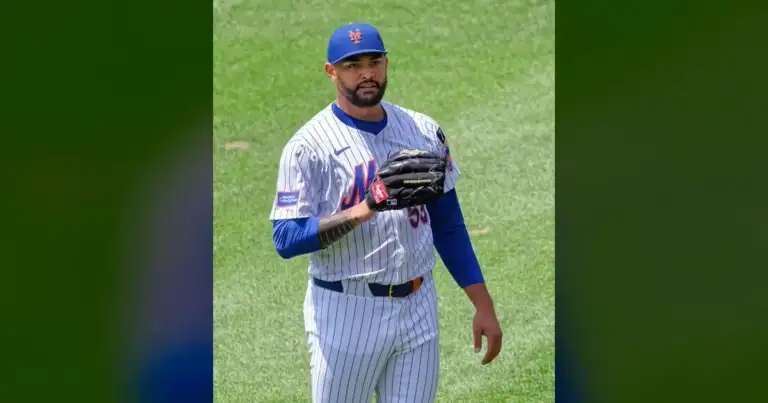
Let’s start with Sean Manaea, the supposed veteran arm brought in to stabilize this rotation. Stabilize what, exactly? His latest masterclass on Tuesday, April 29th, was a train wreck.
He barely made it through four and a third innings, surrendering five earned runs on seven hits and two walks. That’s not pitching; that’s an early exit and a bullpen taxed before the fifth inning.
This violates the unwritten rule that a starter must give his team a chance to win deep into the game. His season ERA now sits at a grotesque 5.87. For a guy on a 2-year, $28 million deal, that’s not just underperforming; it’s a financial anchor dragging this team down, a significant chunk of the payroll utterly wasted.
Manager Carlos Mendoza can talk about “mechanical adjustments” all he wants, and Manaea can mumble about “not executing pitches.” I’ve heard it all before: the same old tired excuses.
The reality is, his fastball velocity is as inconsistent as a teenager’s mood swings. His secondary pitches are giving hitters batting practice.
This isn’t a slump; this is a systemic failure to deliver on a significant offseason investment. It’s a failure that directly impacts the team’s ability to compete.
The Mets didn’t sign him to be a glorified long reliever. Every single one of those wasted innings means more wear and tear on arms that are supposed to be fresh for October. How many more bullpen arms need to be sacrificed before someone in the front office admits this was a blunder?
Alvarez: The Bat That Went Cold, The Future That’s Faltering
Then there’s Francisco Alvarez, the young slugger, the supposed future of this franchise. Future of what, a batting average below the Mendoza line?
Over the three-game homestand against the Cardinals, Alvarez went a putrid 1-for-11 with five strikeouts. His season average has plummeted to .215.
While his defensive work is still solid, you don’t pay a catcher based solely on how well he frames a pitch. Not when he’s supposed to be a power bat in the middle of the order. The unwritten rule for a cornerstone player is simple: you deliver when it counts, especially with the bat.
He’s “working hard every day,” he says. “Trusting his approach.” Spare me the platitudes and the analytics-driven buzzwords.
This team needs runs, and his bat is colder than a witch’s tit in a brass bra. When a young cornerstone like Alvarez is a guaranteed out in crucial situations, it puts undue pressure on the entire lineup.
The Mets are hovering around .500, and they can’t afford to carry a black hole in a power position. This isn’t just a sophomore slump; it’s a gaping hole in an inconsistent offense that was supposed to be a strength.
This strength was supposed to justify his place on the roster, not just his potential. The financial implications of a high-ceiling prospect failing to launch are immense, impacting future contract negotiations and trade value.
The Bleeding Edge of Contention: Cap Casualties and Trade Deadline Woes
These aren’t isolated incidents. These are critical components failing at a critical time for a team that’s desperately trying to contend.
Manaea’s inability to go deep means the bullpen is gassed, increasing the risk of late-inning meltdowns and forcing the manager’s hand.
Alvarez’s offensive struggles mean fewer runs, tighter games, and more stress on a pitching staff already being asked to do too much. The ripple effect on the entire roster and the coaching staff is undeniable.
The front office made a calculated gamble on Manaea, and it’s looking like a bust. It’s a $28 million lesson in poor judgment.
They’re showing patience with Alvarez, as they should to a degree. But how long can a team with playoff aspirations afford to wait for a bat that’s supposed to be a cornerstone to wake up?
If these struggles persist into late May or June, the Mets won’t just be looking at “mechanical adjustments” or “trusting the process.” They’ll be looking at hard decisions come the trade deadline.
This could mean potentially burning prospect capital to fix holes created by their own underperformers, all while carrying dead weight on the payroll. This is the brutal business of baseball, and right now, the Mets are losing the ledger.
RED MARKER: The Mets’ “investment” in Manaea wasn’t about winning; it was about getting a perceived bargain that’s now costing them dearly in both dollars and bullpen arms. As for Alvarez, management’s public “faith” is a smokescreen. Behind closed doors, they’re crunching numbers, watching the .215 average, and wondering how long they can stomach the lack of production from a player they’ve pinned so much of their future on. Patience is a luxury this team can’t afford when the standings don’t lie and the payroll does. This isn’t about development; it’s about delivering. And right now, these two aren’t delivering.
The unwritten rules of baseball dictate accountability. When players don’t perform, when multi-million dollar contracts yield minor league results, the consequences are severe.
The Mets are at a critical juncture. Do they continue to preach patience and hope for a turnaround that shows no signs of materializing?
Or do they make the tough, financially painful decisions necessary to salvage a season that’s rapidly slipping away? The clock is ticking.
Every lost game, every wasted dollar, only makes the eventual reckoning more painful. This isn’t just about a few bad games; it’s about the very foundation of their contention window crumbling under the weight of underperformance and poor financial allocation.
Source: Google News