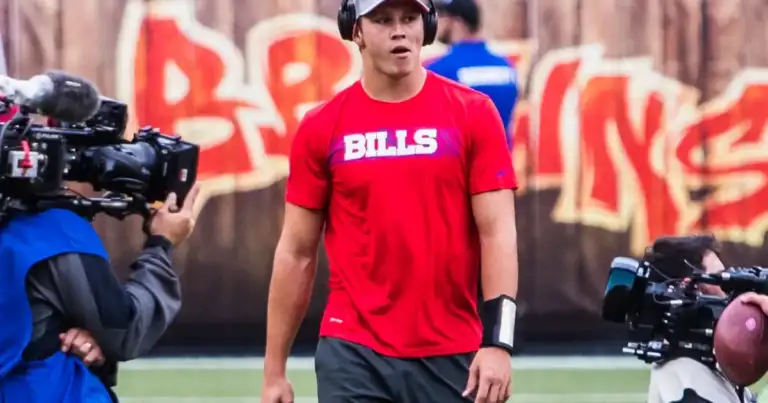
The grim reaper of professional sports is back, and this time, he’s snatched former NFL defensive lineman Josh Mauro at the unthinkable age of 35. The news, first broken by TMZ, exploded across social media and sent a collective shiver down the spine of anyone who follows the brutal realities of life after the gridiron.
Mauro’s passing started making headlines around April 27-28, 2026. The sudden loss of a relatively young athlete always hits differently, but the real gut-punch here? The deafening silence surrounding his cause of death. No one is talking, and that, my friends, is where the real questions begin.
Tributes, of course, poured in instantly. Former teammates and coaches took to their platforms, sharing memories.
His old stomping grounds, the Arizona Cardinals, released a statement. The New York Giants, Oakland Raiders, and Houston Texans also acknowledged the tragedy.
Everyone’s remembering him as a dedicated player and a strong locker room presence. Sweet words, but they don’t erase the terrifying unknown.
The Echo of Silence: What the NFL Isn’t Saying
The silence around Mauro’s death at 35 isn’t just deafening; it’s a blaring, neon-sign warning for anyone paying attention to the grim reality of life after football. What truly happened? What are the circumstances, and what does this reveal about the challenges former NFL players really face once the cheering stops?
Let’s be clear: this isn’t some random guy. This is a professional athlete who dedicated his life to the game.
Mauro played college ball at Stanford before the Denver Broncos signed him in 2014. He suited up for seven grueling seasons, playing for the Cardinals, Giants, Raiders, and Texans.
He appeared in a respectable 86 NFL games with 37 starts, notching 144 tackles and 4.5 sacks. That’s a solid, hard-fought career, significantly longer than the average 3.3 years most NFL players get.
But even a “long” NFL career is still just a fraction of a lifetime. Then what? The lights dim, the crowds fade, and often, the pain — both physical and mental — begins. Is this another chapter in that all-too-familiar, tragic story?
The Brutal Toll of the Game: More Than Just Scrapes and Bruises
The lack of immediate disclosure about Mauro’s death is beyond unsettling.
When a young, seemingly healthy former athlete dies suddenly, speculation isn’t just “wild”; it’s a desperate attempt to understand a pattern we’ve seen far too many times.
Are we talking about a tragic, freak accident? Or are we staring down the barrel of something darker, something tied directly to the long-term, devastating health impacts of a brutal sport that chews up bodies and spits them out?
Former NFL players aren’t just battling chronic pain in their joints. They’re grappling with neurological issues like CTE, a ghost that haunts the league’s past and present.
Mental health struggles, including depression, anxiety, and profound identity crises, are rampant. Substance abuse often follows as a desperate coping mechanism.
It’s a sad, predictable pattern that the NFL, despite its PR campaigns, seems perpetually unable to fully address.
This isn’t just about Josh Mauro. His death shines a harsh, unforgiving spotlight on the entire system.
Are the NFL’s player welfare programs actually working, or are they merely elaborate window dressing designed to deflect criticism?
Are the health benefits, mental health resources, and transition assistance truly sufficient, or are these just talking points that fall woefully short when players are no longer making headlines on the field, no longer generating billions in revenue?
“We are heartbroken to learn of the passing of former Cardinals defensive lineman Josh Mauro. Our deepest condolences go out to his family and friends.”
— Arizona Cardinals Statement
The condolences are nice, a polite formality. But they don’t answer the tough questions.
Mauro was still so young, barely out of his prime.
His death is jarring, a stark reinforcement of the grim trend of former athletes facing serious health crises or dying prematurely. It’s a trend that screams for more than just thoughts and prayers; it demands transparency and accountability.
Beyond the Headlines: The NFL’s Unfinished Business
Josh Mauro’s death is a brutal, undeniable reminder of how fragile life can be, even for those built like tanks and revered as titans. For the fans, it’s a moment to mourn a player they cheered for, a man who gave his all. For the league, however, it should be a moment for serious, uncomfortable self-reflection, not just another press release.
The NFL has indeed invested in health programs for former players, a fact they are quick to trumpet.
But every time a tragedy like this hits, every time a young former player dies with questions swirling, it proves there are still massive, unforgivable gaps.
The conversation about player safety and post-career support isn’t “never-ending” for fun; it’s never-ending because the league’s solutions continue to fall short of the devastation its sport inflicts.
The truth is, these men give their bodies, their minds, and their very identities to the game. When the game is over, they often pay a steep, agonizing price.
Mauro’s death at 35 isn’t just a sad story; it’s a stark, terrifying warning.
The NFL needs to do more than offer carefully worded condolences. It needs to ensure players don’t die young, silently, and with a cloud of unanswered questions hanging over their legacy.
Or is that simply too much to ask from a league built on sacrifice and silence?
Photo: (C) 2013 Joseph Chen
Source: Google News