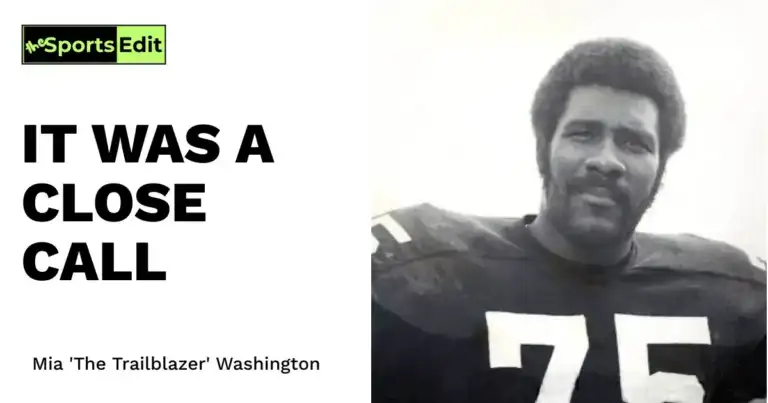

The internet tried to kill a legend, but “Mean” Joe Greene is very much alive. The Pittsburgh Steelers had to debunk a disgusting death hoax spread across social media, a digital assassination attempt that underscores the vile underbelly of our hyper-connected world.
This isn’t just about a fake news story. This is about the digital vultures who prey on our emotions, who weaponize nostalgia, turning genuine affection into clickbait. They don’t just spread misinformation; they actively desecrate the legacies of our heroes for pennies on the dollar.
The Digital Joe Greene Grave Diggers Exposed: A Vile Hoax Unravels
TMZ, ever the first to sniff out celebrity drama, broke the news: NFL legend “Mean” Joe Greene is alive and well. This came after a tsunami of online posts, primarily on X (formerly Twitter) and Facebook, claimed the Steelers icon had passed away. The Pittsburgh Steelers themselves, forced into an absurd position, had to step in, confirming their Hall of Famer is not dead. Let that sink in: a professional sports team had to reassure the world that one of their living legends was, in fact, still living.
- Who: “Mean” Joe Greene, legendary Pittsburgh Steelers defensive tackle, a pillar of the “Steel Curtain.”
- What: Subject of a widespread, malicious online death hoax.
- When: The hoax about Joe Greene gained traction and spread like wildfire on Friday.
- Where: Primarily on X (formerly Twitter) and Facebook, the usual suspects for viral garbage.
- Why: Faceless accounts, driven by the insatiable hunger for engagement and ad revenue, weaponized a beloved figure.
This wasn’t some innocent mistake, a misattributed quote or a simple error. This was a deliberate act, a calculated strike. It’s a sick tactic to generate traffic, to profit from the emotional turmoil of millions. It’s digital grave-robbing, plain and simple.
When Tributes Turn to Trash: The Social Media Meltdown
The public reaction? A chaotic, embarrassing mess. Boomers, bless their hearts, flooded timelines with tearful goodbyes, sharing heartfelt (and utterly false) eulogies. Then, they deleted them in a red-faced scramble when the truth dropped. It was a humiliating display for everyone involved, a stark reminder of how easily genuine emotion can be manipulated by digital puppeteers.
Reddit threads, particularly on r/nfl and r/steelers, initially swelled with heartfelt condolences. “RIP Mean Joe Greene 😢” posts racked up thousands of upvotes, a digital wave of grief for a man who was probably enjoying a quiet afternoon. Then, moderators, scrambling to contain the fallout, pinned corrections. The same users who mourned were now roasting each other for falling for “junk site bait.” This is the internet in 2026: a swamp of unverified garbage, where truth is often the first casualty.
“It’s a disgrace. You see these posts, you react, because Joe Greene means something to you. Then you find out it’s all a lie, and you feel violated. It’s a cheap shot at our heroes.”
— A frustrated Steelers fan on X
The Cynical Playbook of Online Grifters: Why Legends Are Targets
Why do these hoaxes happen? It’s brutally simple: engagement. These “engagement vampires” know precisely what gets clicks. They understand that a beloved, iconic figure like “Mean” Joe Greene is pure gold for nostalgic shares, for emotional reactions. His iconic Coca-Cola commercial didn’t just cement his place in our hearts; it made him an easy, recognizable target for these digital ghouls.
Some users on X were quick to point out the sinister side. “This is AI-generated hoax farms testing obituary scripts for the midterms,” one post sneered, highlighting a terrifying possibility. Others on 4chan, always pushing the envelope of conspiracy, even called it “Zionist disinfo.” The theories are wild because the reality is grim: these hoaxes are performance art for profit, a perverse form of digital theater designed to exploit our collective humanity.
Black Twitter, always sharp and quick to call out hypocrisy, memed it perfectly: “White folks killing off legends faster than CTE, then crying when it’s fake.” It highlights the casual cruelty of these online attacks, the way they disproportionately target beloved figures, often from marginalized communities. It’s a brutal reminder that the internet often benefits from chaos, from the very divisions it helps to sow.
Steelers Nation Feels the Sting: A Violation of Trust
Steelers fans felt violated, their loyalty and affection exploited. They poured out their anger, their frustration palpable. “Let the man retire in peace, you vulture fucks,” one fan raged, echoing the sentiment of thousands. Many rightly blamed older Facebook groups, notorious for acting as echo chambers for unverified, often sensationalized information. These groups, fueled by algorithms that prioritize engagement over accuracy, become unwitting accomplices in these digital crimes.
This hoax isn’t just an isolated incident; it’s a symptom of a larger, pathetic ecosystem. Hoaxers pocket ad money, their digital coffers filling while legends like Joe Greene, one of the last true survivors of the legendary Steel Curtain, have to dodge digital death. And we, the public, are left to mourn ghosts and then, in a humiliating twist, debunk them. It’s a cycle of exploitation that demands our immediate attention.
This entire debacle shows how little respect some corners of the internet have for our heroes. They don’t care about the man, the legend, the human being. They only care about the clicks, the shares, the fleeting moments of engagement that translate into profit.
The Enduring Legacy vs. The Digital Lie: Protecting Our Icons
“Mean” Joe Greene is more than just a football player. He is a cultural icon, a symbol of an era. His “Hey Kid, Catch!” commercial isn’t just a nostalgic memory; it’s etched into pop culture history, a testament to his universal appeal. He represents an era of toughness, integrity, and heart, qualities that are increasingly rare in both sports and society. That’s precisely why these hoaxes cut so deep; they don’t just spread a lie, they disrespect a genuine legend, a man who has given so much to the game and to his fans.
His name constantly resurfaces in sports media, a testament to his enduring impact. Retrospective pieces about the legendary “Steel Curtain” defense always feature him prominently. Analysts compare new defensive linemen to his unparalleled skill, using his career as a benchmark for greatness. The Pittsburgh Steelers celebrate his legacy constantly, ensuring his image and accomplishments are everywhere, from highlight reels to Hall of Fame tributes.
This constant presence, this enduring fame, ironically makes him a target. His celebrated legacy becomes fuel for malicious actors, a readily available resource for their vile schemes. It’s a sad truth of our hyper-connected world: the more beloved you are, the more vulnerable you become to the digital lie merchants.
What We Can Learn From This Digital Deception: A Call to Action
This incident is a glaring wake-up call. We, as consumers of information, need to be fiercely critical. Do not believe everything you read, especially if it’s from an unverified, sensationalist source. Our collective vigilance is the only defense against these digital attacks.
- Verify, then amplify: Before you share, before you react, verify the source. A quick search on reputable news outlets like Reuters or The New York Times can save you from spreading a lie.
- Question the motive: Is this account trying to inform, or is it trying to provoke, to get clicks, to generate outrage? Understand the currency of the internet is attention, and some will do anything to get it.
- Protect our legends: Demand respect for the athletes who built the game, who shaped our culture. Their legacies are not fodder for online grifters.
The internet makes it terrifyingly easy to spread lies. It’s up to us, the informed public, to stop them. We must honor our heroes like Joe Greene while they are still here, celebrating their lives and their contributions. And we must, with unwavering resolve, call out and shame those who try to profit from their premature digital demise.
This hoax was disgusting. It was disrespectful. It was a stark, chilling reminder of the internet’s dark side, a place where integrity is sacrificed at the altar of engagement. We owe “Mean” Joe Greene, and all our legends, far, far better than this digital desecration. Let this be the last time we mourn a living legend.
Source: Google News