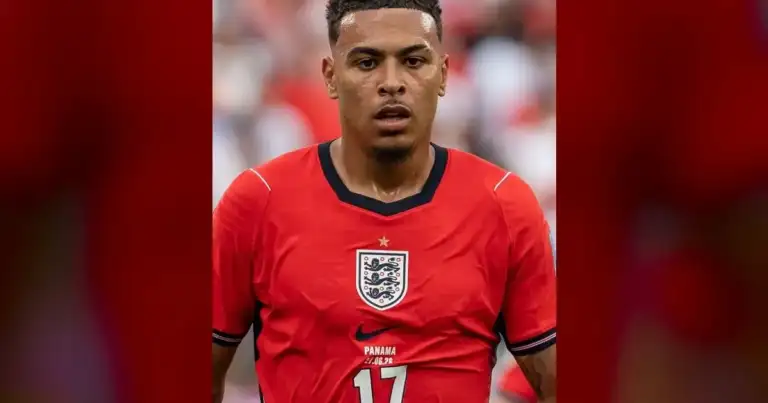

The gladiatorial arena of Serie A just got a new, brutal price tag: AS Roma is demanding a colossal €60 million for their midfield titan, Manu Koné. This isn’t merely a transfer fee; it’s a declaration of war on conventional market wisdom, a high-stakes gamble that could either crown them kings of the summer window or leave them drowning in regret.
Insider sources, corroborated by leading Italian sports journalists over the past 48-72 hours, confirm this jaw-dropping figure. Roma isn’t just offloading an asset; they are attempting to sell a dream, a future, and a piece of their very soul at an astronomical premium, testing the resolve and the wallets of Europe’s elite.
The Koné Conundrum: €28M to €60M in a Year
Koné, the 25-year-old French powerhouse, landed in Rome just last summer, a €28 million gamble plucked from Borussia Mönchengladbach. If this €60 million demand is met, it won’t just be a return on investment; it will be a financial coup d’état, a managerial masterstroke that would make even the most seasoned hedge fund manager blush.
His debut Serie A campaign was not merely stellar; it was a revelation. Koné didn’t just establish himself; he conquered the midfield, a relentless engine driving Roma forward. His magnetic performances have magnetized the attention of Europe’s true footballing aristocracy, transforming his valuation from a promising prospect to an untouchable treasure in a single, blistering season.
But let’s strip away the romanticism of talent for a moment. This isn’t solely about Koné’s undeniable skill; it’s about the cold, hard calculus of Roma’s balance sheet. This is a desperate strategic maneuver in the brutal, unforgiving economics of modern football, about survival and perhaps, prosperity.
Roma’s High-Stakes Financial Play
Roma’s asking price isn’t just bold; it’s a declaration of financial brinkmanship. It screams confidence in Koné’s undeniable market appeal, yes, but it also whispers of a more sinister truth: a desperate, almost existential need to balance the books, to appease the gods of financial fair play, and to erase the ghosts of past fiscal follies.
To flip a player for more than double his purchase price in a single season isn’t just good business; it’s a masterclass in market manipulation, a financial alchemy that could inject crucial, desperately needed capital for new blood or, more likely, plug gaping holes left by previous managerial miscalculations. This isn’t just about profit; it’s about solvency.
Yet, this high-wire act is fraught with peril. What if the market balks, or no suitor dares to meet the audacious €60 million demand? If Koné’s value plummets next season, Roma could find themselves clutching a rapidly depreciating asset, their grand gamble turning into a catastrophic loss.
The ultimate question looms, a sword hanging over the Stadio Olimpico: Do they seize this moment, cash in, and embark on a necessary rebuild, however painful? Or do they cling to a player whose market value might have already crested, risking everything on a prayer?
Who Dares to Pay the Price?
The question isn’t just on everyone’s mind; it’s echoing through the boardrooms of Europe’s financial powerhouses: Which titan of the game possesses the financial muscle, the sheer audacity, and perhaps the desperation, to sanction a €60 million outlay for a single midfielder?
The usual suspects immediately spring to mind, their names whispered with a mixture of awe and disdain: Manchester United, perpetually in search of a midfield Messiah; Liverpool, always keen to fortify their engine room; and of course, Paris Saint-Germain, for whom money is merely a suggestion. These are the clubs with the bottomless war chests, the insatiable hunger for elite talent, and the willingness to gamble on a player who could define their next era.
Any club that dares to meet Roma’s audacious valuation won’t just be signing a player; they’ll be issuing a thunderous declaration of intent. But with that statement comes an unbearable burden: Koné would instantly ascend to the pantheon of Europe’s most expensive midfielders. His impact wouldn’t just need to be immediate; it would need to be revolutionary, a constant justification for a price tag that screams ‘world-beater’.
The Unseen Domino Effect
A €60 million transfer for Koné wouldn’t just send shockwaves; it would detonate a seismic event across the entire transfer landscape. It would irrevocably reset the market valuation for every other elite midfielder, inflating prices and making future deals a manager’s nightmare. More importantly, it would irrevocably dictate the very fabric of Roma’s future transfer strategy, a blueprint for years to come.
Should Roma succeed in this audacious sale, they will unlock not just flexibility, but a veritable war chest, empowering them to target multiple reinforcements across critical positions, to rebuild key areas of a squad that has often flattered to deceive. This could be their chance for a true renaissance, funded by one colossal departure.
But the cost is profound. They would be ripping out the very heart of their midfield, losing an engine, a shield, and a driving force all in one.
Replacing a player of Koné’s unique caliber is a Herculean task in an already grotesquely inflated market, a challenge that has crippled many a sporting director. Can they truly find equivalent value, or will they merely buy mediocrity with their newfound riches?
This isn’t just about one player’s departure; it’s about the entire balance of power within the club shifting. It’s a profound test of a club’s long-term vision and its management’s ability to steer through treacherous waters, a gamble of epic proportions.
Roma’s front office, the architects of this grand design, are playing poker at the highest, most unforgiving level. They hold a strong hand with Koné, a royal flush in terms of market value.
Knowing when to fold, when to bluff, and crucially, when to push all-in, is the difference between triumph and utter catastrophe. The clock is not just ticking; it’s screaming, and the entire footballing world is holding its breath, waiting to see if they are geniuses or fools.
Source: Google News