
Another night, another brutal reminder of baseball’s immutable pecking order. If you’re the Arizona Diamondbacks, Tuesday’s 7-0 drubbing in Chavez Ravine wasn’t just a loss; it was a public humiliation, a glaring spotlight on the Grand Canyon-sized chasm between a truly elite, financially dominant operation and a team clinging to the memory of one surprising October run. This wasn’t merely a shutout; it was a statement about payroll, power, and the rapidly cooling seat beneath a manager whose offense has gone missing in action, presumably lost somewhere in the desert heat.
The D-Backs’ Offensive Anemia: A Crisis of Capital?
Let’s not mince words: four hits, zero runs. That’s the Diamondbacks’ offensive output against a Dodgers team that barely broke a sweat. Zac Gallen, their supposed ace, got shelled for five earned runs in five innings, including two dingers. But Gallen’s off-night is a mere footnote. The real story is the offensive black hole that has swallowed Arizona whole. Two shutouts in their last five games, averaging a paltry 2.5 runs over that stretch. This isn’t bad luck, folks. This is a systemic breakdown, and it screams of a front office that hasn’t adequately supported its talent with enough reliable bats. It’s a dereliction of duty, plain and simple.
Last year’s “magic” feels like a distant, quaint fairy tale when you’re watching Ketel Marte and Corbin Carroll look utterly helpless, swinging at ghosts.
Fans in Arizona aren’t paying top dollar to see a team manage four hits. This isn’t just about winning games; it’s about the bottom line.
Prolonged offensive slumps don’t just cost games; they hit revenue. Ticket sales dip, merchandise gathers dust, and the goodwill from a World Series appearance evaporates faster than a bullpen arm on a hot day.
The Diamondbacks’ valuation, while healthy, isn’t in the Dodgers’ stratosphere. Every shutout like this hammers home the pressure on ownership to either open the wallet or face a dwindling, disillusioned fan base. You can’t just wish for runs; you have to pay for them.
The Dodgers’ Machine: Money Talks, and It Shouts in L.A.
On the other side, you have the Los Angeles Dodgers, a finely tuned, financially robust machine that operates with ruthless efficiency.
Walker Buehler, back from injury and looking like his old dominant self (7.0 IP, 3 H, 0 R, 9 K), is exactly what you get when you invest in top-tier talent. They possess the resources to bring him back slowly and correctly, without rushing the process.
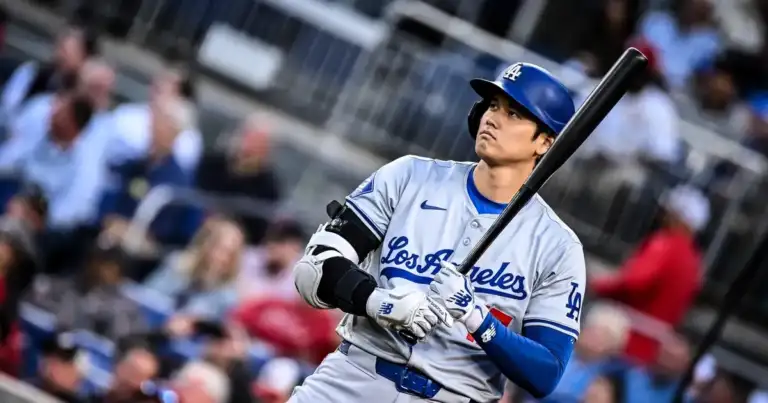
Mookie Betts (3-for-4, HR, 3 RBI), Freddie Freeman (2-for-4, 1 RBI), Max Muncy (HR, 2 RBI) – these aren’t just good players. They are cornerstones of a roster built with massive, multi-year contracts designed to produce exactly this kind of consistent dominance.
The Dodgers’ reported $5.5 billion valuation isn’t just a number. It’s the fuel that powers their ability to absorb a massive payroll, currently hovering around $240 million, and continue to win, further cementing their market dominance. This isn’t rocket science; it’s basic economics.
Manager Dave Roberts can praise “complete effort” all he wants, but the reality is his job is made significantly easier by a front office that gives him the deepest, most expensive roster in baseball. There’s no analytics wizardry here, no sabermetric secret sauce; it’s simply a case of superior talent delivering superior results, bought and paid for. This is the blueprint for sustained success in modern baseball: financial might to acquire and retain the best, and then letting them play the game the way it was meant to be played, without overthinking it. The unwritten rule? Win at all costs, and the biggest cost usually buys the most wins.
Lovullo’s Hot Seat and the Front Office’s Reckoning
This 7-0 drubbing isn’t just a tough night for Torey Lovullo; it’s another log on what’s becoming a rather warm fire under his managerial seat.
When your team gets shut out twice in five games and averages 2.5 runs, the blame eventually funnels up – and rightly so. Lovullo expressed “frustration,” but frustration doesn’t score runs.
At some point, the front office has to look at the numbers and ask if the current offensive approach, or lack thereof, is sustainable. Are they getting the expected production from their key players, or are there significant, glaring holes that weren’t addressed in the offseason? The time for excuses is over.
The honeymoon from last year’s unexpected World Series run is officially over, replaced by the grim reality of a struggling offense.
The Diamondbacks are now staring down a division leader that looks like an unstoppable juggernaut, and they’re doing it with an offense that couldn’t hit water if it fell out of a boat.
The pressure isn’t just on the players to “make adjustments”; it’s squarely on the general manager to provide the tools for those adjustments, and on the manager to get results.
If the D-Backs continue to flounder offensively, don’t be surprised if the axe falls, and not just on a struggling player. The business of baseball is ruthless, and repeated failures to score runs are a direct threat to revenue, making managerial changes an inevitable, cold calculation. Loyalty only goes so far when the ledger is red.
RED MARKER VERDICT: This wasn’t just a baseball game; it was a public audit of two franchises, laid bare for all to see. The Dodgers, with their colossal payroll and depth, proved why they’re the undisputed financial and on-field titans of the NL West. The Diamondbacks? They exposed their offensive fragility and, more importantly, the uncomfortable truth that last year’s magic might have been more anomaly than sustainable model. Their struggles aren’t just about hitting; they’re about the financial pressure on the front office to deliver, and the rapidly cooling seat beneath Torey Lovullo. The game hasn’t changed; the price of admission has.
WordPress Categories: MLB & Baseball
Photo: Wikimedia Commons (query: Dodgers offense)
Source: Google News