
Another May, another quarterback holding the entire franchise hostage for more cash. Matthew Stafford isn’t just “at the center” of a contract battle; he’s orchestrating a full-blown financial siege on the Los Angeles Rams’ salary cap. Meanwhile, former Tennessee Titans head coach Mike Vrabel is still picking at the unhealed wound of the A.J. Brown trade. This isn’t just “NFL buzz”; this is the brutal, unforgiving business of professional football, where every dollar spent or withheld dictates the future in the trenches.
The NFL’s offseason is a relentless grind of financial maneuvers and lingering grudges. Matthew Stafford’s contract talks are a high-stakes poker game, threatening to cripple the Rams’ ability to build around him. Vrabel’s comments about the A.J. Brown saga expose how front office decisions haunt a franchise, fracturing locker rooms and altering destinies. The casting adrift of veteran safety Justin Simmons only underscores the cold, hard reality: in this league, it’s always about money, power, and who gets left out.
Stafford’s Cap Coup: Rams Facing Financial Gridlock
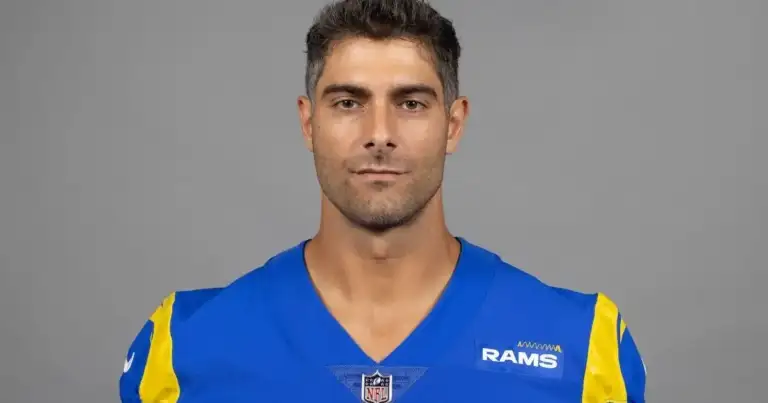
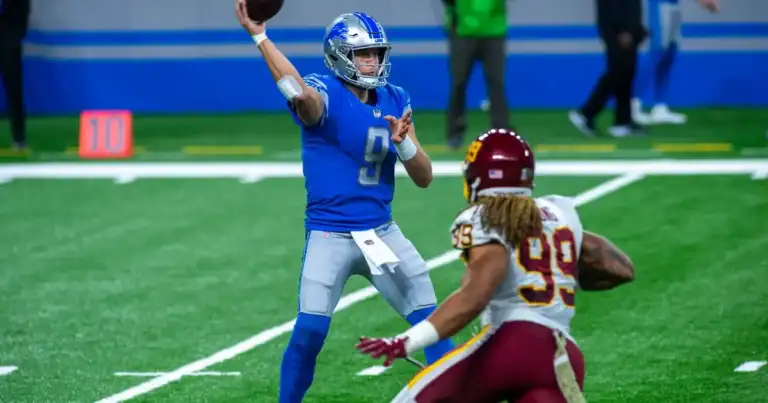
Let’s cut to the chase with Stafford. He’s got a Super Bowl ring, and his arm talent is undeniable. But this isn’t about accolades; it’s about the bottom line. His current deal already carries a monstrous $49.5 million cap hit for 2024, escalating to $50.5 million in 2025. Any new money, any extension, means the Rams are digging themselves deeper into a financial hole. This isn’t just tightening the belt; it’s strangling the roster. Every dollar shoveled into Stafford’s pockets is a dollar ripped away from the offensive line, from the defensive front, from the gritty players who win games in the trenches.
This isn’t merely about paying your star quarterback; it’s about the very soul of the franchise. What kind of team can the Rams construct around a quarter-billion-dollar quarterback? Championships demand more than just a big arm and a handful of skill players. You need offensive linemen who protect, defensive linemen who dominate, and linebackers who stop the run. A bloated QB contract handcuffs the front office, forcing them to chase cheap, unproven talent. This isn’t a strategy for sustained success; it’s a blueprint for a top-heavy, fragile roster. Such a roster crumbles under pressure, a losing strategy in a league built on physicality and depth.
Vrabel’s Lingering Scars: The A.J. Brown Betrayal
Then you have Mike Vrabel, no longer roaming the sidelines, still airing grievances about the A.J. Brown trade. That deal, sending Brown to the Philadelphia Eagles in April 2022 for a 1st and 3rd round pick, wasn’t just a “gut punch” for Titans fans; it was a self-inflicted wound that exposed a fundamental rift between the coaching staff and the front office’s willingness to pay elite talent. Vrabel’s recent comments aren’t just historical footnotes; they’re proof that some wounds never truly heal, especially when they cost you a generational talent and ultimately, your job.
Trading a player of Brown’s caliber sends a chilling message: no one is safe, and loyalty is a myth. It screams the team won’t pay top dollar for elite talent, no matter how vital. This isn’t just a dangerous precedent; it’s locker room poison. A head coach must manage personalities, cultivate trust, and keep the team unified. Letting a star walk for financial prudence can fracture a team beyond repair. Every other player wonders if they’re next on the chopping block. You can’t preach “team first” when the front office actively dismantles your best assets.
“The NFL is a cold business. Players know it. Coaches know it. But when a star like Brown leaves, the ripple effects are massive, changing the course of entire franchises.”
That trade didn’t just change the course of two franchises; it defined them. Brown exploded in Philly, becoming an integral part of their Super Bowl run. The Titans, meanwhile, have been scrambling ever since, struggling to replace his production and identity. This is precisely why you pay your stars when they’ve proven their worth. You don’t just build around them; you invest in them, because they are the foundation upon which championships are built. Anything less is a gamble with the franchise’s future.
Justin Simmons: The Veteran Grinder’s Grim Reality
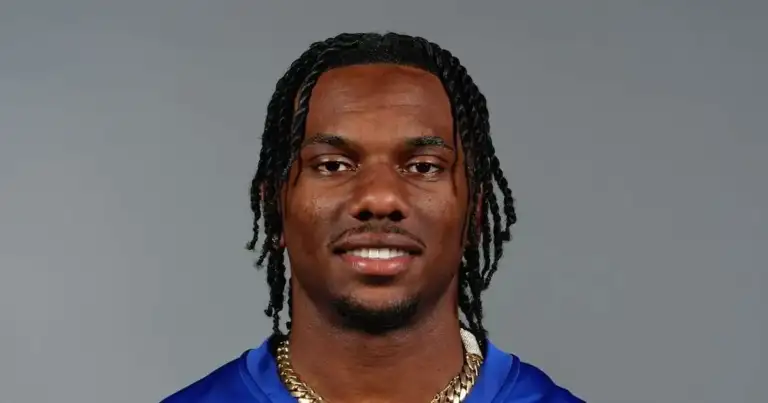
And then there’s the harsh reality for players like Justin Simmons. A high-level safety, a proven performer, a leader on the field – now a free agent, cut by the Broncos in March 2024, saving them $14.5 million against the cap. His name being bandied about in these discussions isn’t just a footnote; it highlights a systemic flaw in the league’s financial structure. Where do veteran difference-makers, the guys who embody the grit and intelligence needed to win, fit into a league obsessed with youth and quarterback contracts?
When quarterbacks gobble up a quarter or more of the salary cap, other positions feel the squeeze. Safeties, linebackers, and even some offensive linemen become expendable. These are the very players who anchor defenses and protect the passer. Teams chase youth and cheap contracts, often sacrificing proven talent for cap flexibility. This is the harsh, unglamorous reality. Guys like Simmons, who earned their stripes, find themselves cut and hitting free agency late. It’s a brutal market for anyone not throwing or catching the ball for a highlight reel.
The league prioritizes the passer above all else, and while that’s the nature of modern football, it leaves good, tough players without a chair when the music stops. It forces general managers into impossible choices, often sacrificing the defensive muscle and leadership that truly win games. The trenches are where games are won and lost, but the money is rarely there for the guys who truly fight in them.
The NFL’s Financial Tightrope: Win or Bust
The NFL is a constant, unforgiving balancing act. Teams need elite quarterback play, yes, but they also need a stout defense, a punishing running game, and a cohesive locker room. You can’t have it all without shrewd cap management and an iron will to make the right, often unpopular, decisions.
Stafford’s contract demands, Vrabel’s resentment, and Simmons’ uncertainty are not isolated incidents. They are interconnected pieces of a brutal puzzle: who gets paid, who gets cut, and what defines a franchise. Consistently winning teams manage this financial tightrope with surgical precision. They pay their true core, find value, and develop talent. They refuse to let one position dictate the entire financial structure. Spread the money around, build a complete, tough team. Otherwise, you’re just paying for a Sunday spectacle, not a Super Bowl parade. The choice is clear for every front office: build a winner, or watch your cap numbers crush championship dreams.
Source: Google News