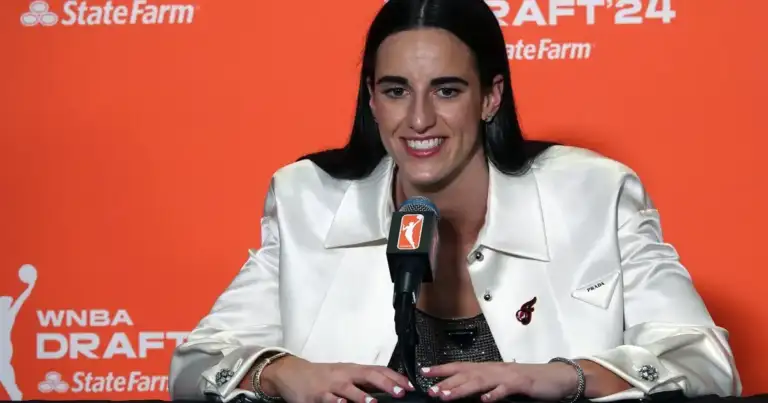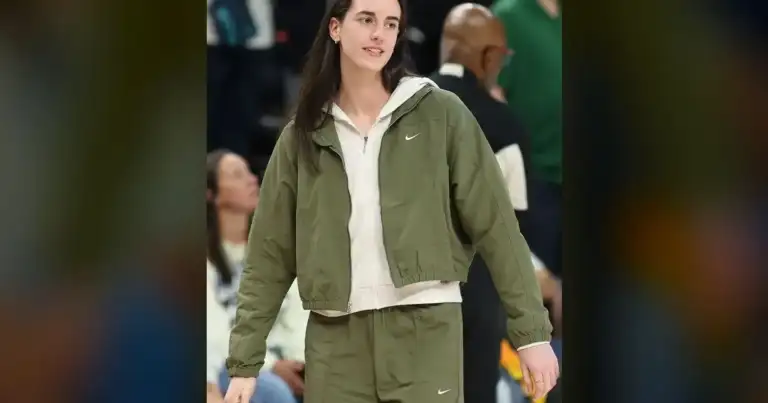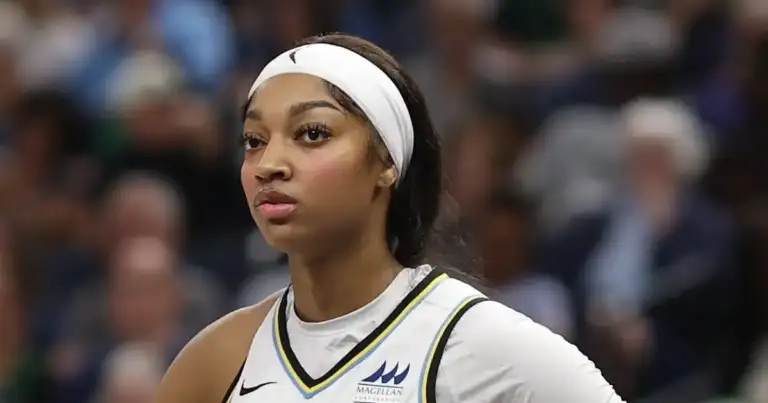

The gloves are off, and the WNBA just got a lot more dangerous. Angel Reese, the fiery Chicago Sky forward, didn’t just escalate her rivalry with Caitlin Clark; she explicitly endorsed a fan’s social media post threatening the Indiana Fever star. This isn’t fierce competition; it’s a chilling breach of professional conduct that puts player safety squarely in the crosshairs.
The fuse was lit on Sunday, May 23, 2026, following a brutal matchup where the Indiana Fever defeated the Chicago Sky 88-84. The game was a physical battle, marked by several hard fouls against Clark, culminating in a flagrant 1 foul called on Reese herself in the third quarter after a particularly aggressive play.
Clark finished the game with an impressive 24 points, 8 assists, and 6 rebounds, while Reese put up a double-double with 18 points and 13 rebounds, alongside 2 blocks. But the real controversy ignited off the court.
Hours after the final buzzer, Reese liked and shared a fan’s edited social media image of Clark, accompanied by text that chillingly declared Clark “gets what she deserves” and openly condoned aggressive physical play. This wasn’t a subtle nod; it was a public endorsement of hostility.
The WNBA Players Association swiftly issued a statement on May 24, 2026, reiterating their commitment to player safety and sportsmanship. The Indiana Fever wasted no time lodging a formal complaint with the league office. This isn’t just about basketball anymore; it’s about drawing a hard line against actions that jeopardize athletes and undermine the very integrity of the sport.
The Line Between Rivalry and Hostility
Intense rivalries are the lifeblood of sports, igniting passion, driving viewership, and building undeniable excitement. But let’s be crystal clear: there’s a chasm, not a thin line, between fierce competition and outright endorsing hostile actions. Reese’s social media activity isn’t just blurring that boundary; it’s actively stomping over it, sending a dangerous signal to fans and players alike. Is this the kind of “rivalry” we want defining the WNBA’s explosive growth?
The WNBA is experiencing an unprecedented surge in popularity, largely thanks to Caitlin Clark’s magnetic arrival. Arenas are packed, games are selling out, and TV ratings are skyrocketing. This isn’t just a moment; it’s a movement. But this phenomenal growth isn’t guaranteed; it hinges entirely on cultivating a healthy, fiercely competitive, yet fundamentally respectful environment. Anything less risks derailing the entire phenomenon.
To explicitly endorse posts suggesting a player “deserves” aggressive treatment isn’t just undermining the league’s foundation; it’s actively poisoning it. This sends an unequivocally chilling message: that hostility is not only acceptable but perhaps even encouraged. It’s a dangerous green light for aggressive behavior, putting athletes at profound risk, both physically on the court and mentally under the relentless glare of the spotlight.
“The WNBA Players Association is committed to upholding the highest standards of sportsmanship and professional conduct. We prioritize the safety and well-being of all our members and advocate for an environment free from harassment, both on and off the court. We encourage all players to be mindful of their public platforms and to contribute positively to the league’s inclusive community.”
— WNBA Players Association (May 24, 2026)
The league cannot, under any circumstances, allow this kind of behavior to fester. Player safety isn’t just a talking point; it must be the absolute paramount concern. This extends beyond protecting athletes from targeted aggression during a game; it demands safeguarding them from online vitriol that morphs from mere criticism into explicit endorsements of harm. The WNBA has a responsibility to its players, and its future, to act decisively here.
The Mental Toll of the Spotlight
Beyond the bright lights and highlight reels, professional athletes endure an almost unimaginable level of pressure. The constant scrutiny, the grueling travel, the relentless physical grind—it’s a recipe for exhaustion. Now, layer on top of that the insidious creep of intense online harassment and the psychological burden becomes crushing. This isn’t just “part of the game”; it’s a significant, often invisible, toll on mental health that we can no longer afford to ignore.
For a phenomenon like Caitlin Clark, the spotlight isn’t just bright; it’s blindingly intense. Every pass, every shot, every single move is dissected, analyzed, and replayed ad nauseam. When fellow players actively endorse hostile narratives—not just in the heat of competition, but deliberately on public platforms—it doesn’t just amplify the psychological burden; it weaponizes it. This isn’t just about stress or anxiety; it’s a direct path to burnout, shattering confidence and potentially shortening careers.
While the Chicago Sky coach did acknowledge the pressure, his response felt like a tepid whisper in a hurricane. His general comment about players needing to be mindful of their online presence—”Our players understand the spotlight they’re under. We remind them constantly about professionalism and being responsible with their platforms”—is the bare minimum. It’s a boilerplate statement that completely sidesteps the specific, egregious nature of Reese’s actions. This isn’t about generic reminders; it’s about accountability for endorsing targeted hostility.
Let’s be clear: “That’s a start” is a generous assessment. General reminders about professionalism don’t even begin to address the specific, public endorsement of hostile content. The league isn’t just an arbiter of rules; it has an undeniable, moral responsibility to its athletes. They must ensure not just a physically safe environment, but a truly supportive one that unequivocally protects the emotional and psychological well-being of every player. This isn’t optional; it’s fundamental.
Will the WNBA Take Action?
This brings us to the ultimate, unavoidable question: What will the WNBA do? The league stands at a precarious crossroads, where the path splits between fostering competitive intensity and upholding player safety. They cannot, and should not, appear to favor one player over another. But to ignore actions that actively promote hostility, especially when they come from within the league’s own ranks, would be an act of profound negligence. This isn’t a gray area; it’s a moral imperative.
The Indiana Fever organization isn’t just “concerned”; they are demanding action. Their spokesperson confirmed they are “in ongoing communication with the league office regarding player safety and the conduct of games,” a diplomatic way of saying they expect swift, decisive repercussions. Anything less would be a betrayal of their star player and a tacit approval of dangerous behavior.
History shows us that controversial social media posts in professional sports have consequences, ranging from hefty fines to suspensions. The WNBA must, without equivocation, send an unambiguous message: Endorsing threats, whether explicit or implicit, is not just unacceptable; it is a direct assault on the league’s values and its athletes. This isn’t merely about protecting the league’s burgeoning image; it’s about shielding human beings from harm.
Let’s be absolutely clear: this transcends a mere rivalry. This is about establishing an ironclad standard for professional conduct. It’s about demonstrating to every aspiring young athlete that respect, integrity, and safety are not just buzzwords, but the foundational pillars of competitive sport. The WNBA isn’t just facing a challenge; it has a monumental opportunity to unequivocally prove its commitment to its players. They must act decisively, without hesitation.
The future health, integrity, and very soul of the WNBA hang in the balance. To ignore this incident, to waffle on accountability, would be a monumental, unforgivable mistake. It would not only signal that online hostility is tolerated but actively encouraged, setting a dangerous, corrosive precedent that no professional sport can afford.
The WNBA has a choice: protect its stars and its future, or allow a toxic culture to take root. Which path will they choose?
Photo: Wikimedia Commons (query: Angel Reese)
Source: Google News