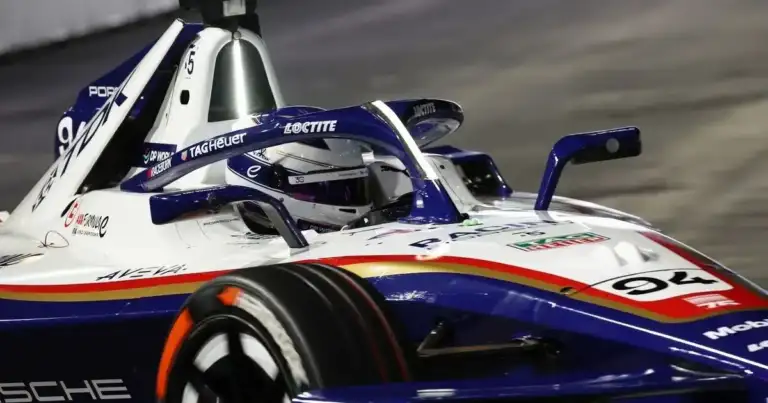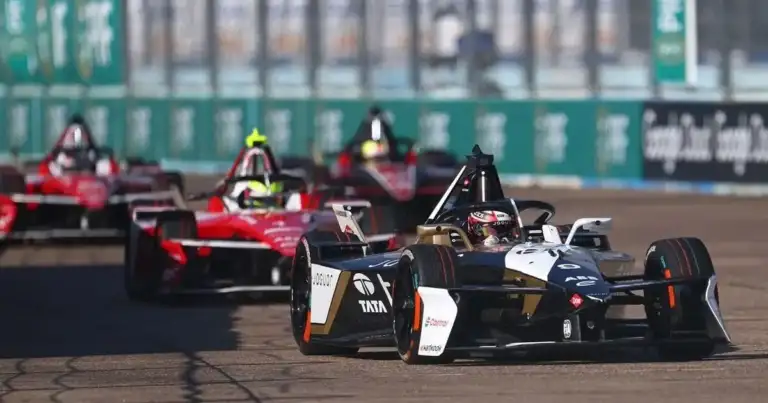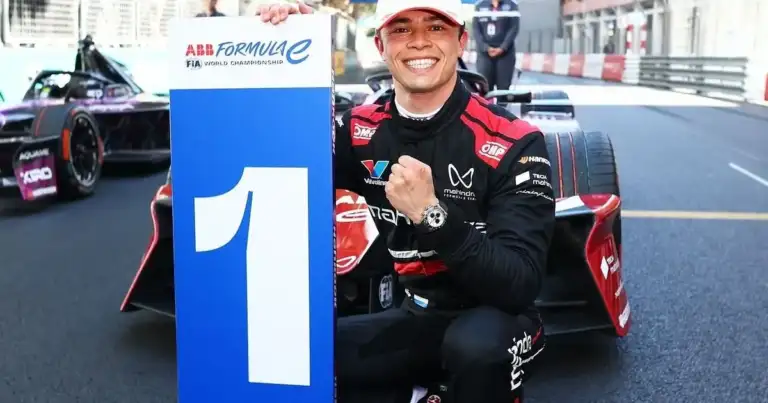

Forget the glitz, the glamour, and the supposed future of motorsport. The Monaco E-Prix wasn’t a race; it was a goddamn reality show, and Formula E just proved once again it prioritizes manufactured chaos over legitimate competition. While Nyck de Vries absolutely dominated, storming to a flawless victory, the real story, the one engineered to ignite outrage, was how Dan Ticktum got completely hosed, stripped of a hard-fought podium by the very officials meant to uphold the sport’s integrity. This wasn’t racing; it was a post-race spectacle, pure and simple.
De Vries delivered a masterclass, a clinic in controlled aggression. He didn’t just win; he owned the entire damn race from the front, never putting a wheel wrong. His triumph should have been the undisputed headline, a testament to skill and precision on one of motorsport’s most legendary tracks. But no, that would be too simple, too clean for Formula E. The stewards, those puppeteers pulling the strings behind the scenes, had to get involved, reshuffling the podium like a deck of cards long after the checkered flag had fallen.
Dan Ticktum, for all his polarizing antics, earned that provisional third place on the asphalt, battling tooth and nail. He crossed the line, celebrated, and then, in typical Formula E fashion, a time penalty snatched it away, a cruel twist of the knife. Jake Dennis, through no fault of his own, inherited the final podium position. This isn’t just drama; this is the kind of cheap, desperate theatrics Formula E seems to crave, a constant need for a controversial talking point to mask what should be about pure racing.
The Ticktum Tangle: Perpetual Outrage Machine
Ticktum is more than a driver; he’s a human outrage generator, a lightning rod for controversy. Every penalty he incurs, every incident he’s involved in, erupts into a firestorm across social media and fan forums. His loyalists scream conspiracy, convinced that race control has a vendetta, that the rules are bent specifically to target him. Meanwhile, his detractors just roll their eyes, convinced he perpetually brings these penalties upon himself with his aggressive, often reckless, style. There’s rarely a middle ground with Ticktum, and Formula E seems to revel in that division.
This latest penalty, however vague the official explanation, only fuels both sides, giving the skeptics and the cynics all the ammunition they need. “Formula E stewards are making it up as they go along!” they cry, and frankly, it’s hard to argue with them sometimes. “The championship needs controversy every single weekend to stay relevant!” That’s the accusation, and the pattern of post-race interventions makes it sting with uncomfortable truth. This isn’t about fair play or consistent application of the rulebook; it’s about generating clickbait headlines and keeping the conversation swirling, no matter how toxic.
Monaco is the jewel in the crown of any racing series. It’s a prestige race that should unequivocally crown a clear victor, a moment of pure sporting glory. Instead, what did we get? A post-race mess, a convoluted scramble that left a bitter taste. This kind of manufactured drama doesn’t elevate the sport; it actively undermines it, eroding fan trust and forcing even the most loyal supporters to question the integrity of the results. When the outcome feels decided in a backroom rather than on the track, you’ve got a serious problem.
Formula E’s Identity Crisis: Racing or Reality Show?
The whispers have grown louder, and now they’re practically shouts: people call Formula E “infinite PR with battery packs.” And you know what? They’re not wrong. Every win in Monaco, every championship moment, feels less like a genuine sporting achievement and more like a carefully curated photoshoot. It’s not always about raw speed, audacious overtakes, or brilliant strategy; it’s about the “narrative” they meticulously build, the storylines they push to generate buzz.
The term “performance art” keeps popping up when describing Formula E, and it’s certainly not meant as a compliment. It suggests a meticulously choreographed spectacle, a carefully staged chaos designed purely for entertainment value. They don’t want pure credibility; they want viral clips. They want soundbites and social media fodder. This, right here, is Formula E’s biggest, most glaring hurdle. It desperately struggles to be taken seriously as a pure, unadulterated racing series because it constantly seems to be chasing something else entirely.
De Vries delivered a clean, proper victory, a masterclass of driving perfection. He earned every single bit of that win. Yet, his triumph gets a cool reception, overshadowed and diluted by the league’s incessant antics. It feels like another well-edited highlight package, stripped of the raw, visceral emotion that makes motorsport so compelling. Where’s the genuine elation? Where’s the gut-wrenching drama? It’s all filtered through a post-race penalty lens, leaving it utterly devoid of emotional punch.
The Monaco Mess: A Pattern of Desperation
Let’s be clear: this isn’t an isolated incident, a one-off mistake. This is a deeply ingrained pattern. Formula E has a notorious history of post-race penalties, a habit of reshuffling results long after the cars have been parked. It consistently leaves a sour taste, a feeling of injustice for fans who simply want to see clear winners crowned at the finish line, not in a steward’s office hours later.
The series desperately needs genuine racing drama, the kind that unfolds naturally on the track: wheel-to-wheel battles, bold overtakes, and strategic gambles. What it absolutely does not need is this incessant, manufactured controversy. Constantly changing podiums after the fact doesn’t just hurt its image; it screams desperation for attention, a pathetic plea for relevance in a crowded sporting landscape. It’s a sign of a league that doesn’t trust its own product to stand on its own two feet.
Sure, other motorsports leagues have stewards. Penalties happen. But in Formula 1, in IndyCar, in NASCAR, those penalties rarely feel so central to the outcome of the race, so intrinsic to the very fabric of the event. Formula E needs to grow up, take a long, hard look in the mirror, and let the racing speak for itself. Stop engineering the headlines; start delivering genuine sporting moments.
What’s Next for Formula E? A Crossroads of Credibility
Nyck de Vries showed his undeniable class, his talent, and his mastery of electric racing. He earned that win, fair and square. But the Ticktum penalty, the subsequent reshuffle, and the ensuing fan uproar completely dominated the aftermath. It’s a crying shame for de Vries, whose achievement was diminished. It’s a travesty for Ticktum, whose effort was invalidated. And most importantly, it’s a massive, self-inflicted wound for the series itself.
Fans, the lifeblood of any sport, want to believe in the competition. They want to trust the results, to invest their emotions in battles that are decided by skill, courage, and speed. When the stewards constantly intervene, when the rulebook becomes a weapon wielded after the fact, that trust erodes, slowly but surely. It turns off casual viewers who just want to enjoy a race, and it infuriates the die-hards who feel their passion is being disrespected.
Formula E has undeniable potential. It boasts cutting-edge technology, a roster of talented drivers, and a calendar of exciting, iconic venues. But it stands at a critical crossroads. It needs to decide, once and for all, what it truly is. Is it a serious, world-class championship that values sporting integrity above all else? Or is it just a glorified marketing exercise, perpetually chasing controversy and cheap thrills?
This Monaco race was another damning example of Formula E’s identity crisis. Brilliant driving by de Vries. Utterly unnecessary, integrity-sapping drama by race control. Formula E needs to clean up its damn act. Let the drivers decide the race on the track, not some faceless officials armed with a rulebook and a hunger for controversy after the fact. Otherwise, it’s destined to be remembered not for its racing, but for its endless, self-serving theatrics.
Source: Google News