
Another playoff campaign, another familiar gut punch for the Dallas Stars. You could set your watch by it, a cruel, predictable dance that leaves fans in agony.
April 17, 2026, Game 1 at home, a 3-2 overtime loss to the Colorado Avalanche. The script isn’t just writing itself; it’s being etched in stone, a chilling echo of past collapses.
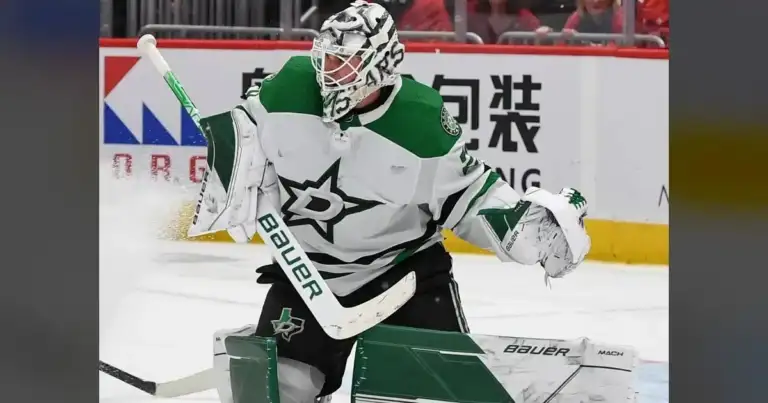
This immediately shoves the Stars into a suffocating hole. A 1-0 deficit, surrendered on their own hallowed ice, isn’t merely uncomfortable. It’s a psychological burden, a lead weight this franchise, and particularly its supposed cornerstone, Jake Oettinger, seems utterly incapable of shaking off.
The Deja Vu Disaster in Dallas
Forget the regular season accolades. Forget the “contender” talk that echoed through the American Airlines Center just days ago.
When the lights intensify, when the stakes are highest, the Dallas Stars, with depressing regularity, find novel ways to stumble out of the gate.
Game 1 against the Avs wasn’t some unfortunate bounce or a statistical anomaly. It was a brutal, visceral reminder of a team that, despite undeniable talent, lacks the cold-blooded killer instinct required when it matters most.
To lose in overtime, after snatching the lead, on your own patch, against a team that revels in big moments – it screams of a collective mental block, a deeply ingrained fear of success.
It’s the kind of performance that would have the hardcore ultras in Dortmund or Milan tearing their hair out. This squandered opportunity feels less like bad luck and more like an endemic, debilitating weakness.
The Avalanche, to their immense credit, didn’t just smell blood; they tasted it, savored it. They pressed, probed, and harried.
When the chance came in overtime, they seized it with the ruthlessness of a predator. That’s the stark, brutal difference between a team that knows how to win in the playoffs and one that merely hopes to.
Dallas had the golden opportunity to dictate the narrative, to stamp their authority on the series. Instead, they’ve flung open the doors and invited the ghost of playoff past directly into their locker room.
This specter of self-doubt feeds ravenously on early series deficits. What does it say about a team when their opponent walks into their building and leaves with such a decisive psychological victory?
Oettinger: The Man in the Crosshairs
Much has been made, perhaps too much, of Jake Oettinger’s pedigree, his boundless potential, his supposed “clutch” factor. But Game 1 was no masterclass.
A playoff goaltender, the linchpin of any serious contender, needs to be the difference-maker, the undisputed hero. He needs to steal a game, especially the opener on home ice.
He didn’t. The goals allowed weren’t necessarily soft, no, but neither were they saves that defied physics or inspired awe.
When you are the backbone, the last line of defense, the expectation is not mere competence; it is transcendence. It is the ability to elevate your game to a level few others can reach, to stand tall when all else crumbles.
This isn’t to absolve the entire team, for hockey is a collective endeavor. The Stars’ defense, at times, resembled a sieve.
The offense struggled mightily to generate consistent, high-danger chances, often looking disjointed and hesitant.
But when the unforgiving spotlight hits, when the cameras zoom in, and you’re the man in the mask, you carry a burden heavier than any other.
In European football, a goalkeeper making a crucial error in a Champions League knockout game isn’t just criticized; they can be utterly crucified, their careers forever scarred.
The pressure on Oettinger, especially after a familiar 1-0 series hole, is not just immense; it’s suffocating. He needs to be more than just good; he needs to be superhuman if Dallas truly intends to climb out of this all-too-familiar, self-dug pit.
“You can talk about ‘learning experiences’ all you want, but at some point, a team has to learn how to win when it matters. Dallas keeps getting these lessons, but the grades aren’t improving.”
The “familiar 1-0 deficit” isn’t just a statistic to be casually dismissed; it’s a damning narrative. It’s a psychological anchor that drags a team down, a self-fulfilling prophecy of struggle.
It forces them to play catch-up, to expend extra, precious energy, and to battle not just the formidable opponent across the ice, but their own insidious history.
Every shift, every period from now on, will be under the most intense microscope, scrutinized for any sign of weakness or resilience.
The Avalanche have drawn first blood. They’ve done it by ruthlessly exploiting a vulnerability that Dallas has displayed with alarming consistency.
Can they possibly break free from this self-imposed prison?
The Red Marker Verdict
This isn’t about bad luck, a cruel twist of fate; it’s about a fundamental, glaring lack of playoff ruthlessness.
The Dallas Stars, for all their undeniable talent and impressive regular season prowess, haven’t truly learned how to flip the switch from ‘good team’ to ‘champion’.
They keep getting caught in the same, soul-crushing cycle: build hype, play well enough to make the dance, then falter dramatically when the stakes are highest.
The “familiar 1-0 deficit” isn’t an accident; it’s a glaring symptom of a team that hasn’t fully embraced the brutal, take-no-prisoners mentality required to hoist the Stanley Cup.
They’re built to compete, to hang around, but not yet built to dominate under ultimate, crushing pressure.
Until that fundamental shift occurs, until they shed this crippling mental baggage, they’ll keep staring down the barrel of early series deficits. They’ll forever hope for a miracle comeback instead of dictating the terms of victory.
The real motive here? It’s the stark, undeniable reality that playoff hockey isn’t just about skill; it’s about sheer, unadulterated mental fortitude.
Dallas, time and again, is consistently coming up short. The question isn’t if they can win, but if they truly believe they can.
Photo: Billy Sabatini
Source: Google News