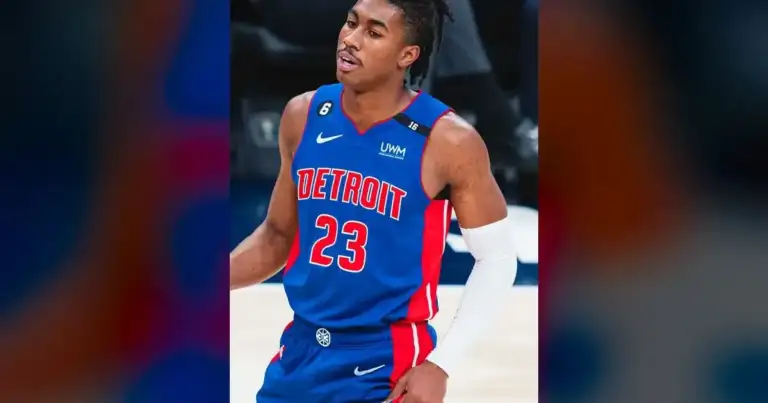

Jaden Ivey didn’t just get cut from the Chicago Bulls; he served up a masterclass in how to self-destruct a career with a smartphone. In a move that shocked exactly no one paying attention, he torched his NBA prospects by unleashing a venomous, anti-LGBTQ+ rant across social media, dragging the league, his team, and even titans like Steph Curry into his digital bonfire. This wasn’t about free speech; it was about a tech-fueled downfall, plain and simple.
The Chicago Bulls wasted no time, cutting Jaden Ivey on Monday. This swift action followed a series of lengthy Instagram videos where Ivey vociferously criticized Pride Month, labeling the NBA’s LGBTQ+ celebrations as “unrighteousness.”
At just 24 years old, Ivey leveraged his significant platform to spew hate, thinly veiled under the guise of religious beliefs. The Bulls’ response was unequivocal, stating his actions constituted “conduct detrimental to the team.” This wasn’t a debate; it was a clear-cut case of an athlete violating the very principles of the organization employing him.
Social Media: The Ultimate Career Incinerator
These shiny Silicon Valley platforms promise connection, a voice, and a direct line to fans. But for athletes like Ivey, they’ve become less a tool for empowerment and more a sophisticated trap. He likely believed he was speaking his “truth,” yet all he managed to do was slam the door shut on his own career.
Remember when athletes were judged solely on their performance on the court? Now, every unfiltered thought, every ill-conceived opinion, is broadcast to millions in an instant. Mark Zuckerberg and Elon Musk didn’t just build these digital town squares; they built echo chambers that profit from the chaos. Ivey’s rant found an audience, yes, but it also found immediate, career-ending consequences.
This wasn’t some hushed locker room complaint. This was a public, digital tirade, brazenly attacking the league’s fundamental inclusivity efforts. He even audaciously dragged in household names like Steph Curry, LeBron James, and Michael Jordan. Why? Because these legends embody the global, inclusive brand of the NBA—a brand Ivey clearly, and foolishly, decided to actively undermine.
The Absurdity of “Freedom of Speech” Defenses
Inevitably, the digital peanut gallery erupted with cries of “freedom of speech.” Online trolls, ever eager to defend controversial stances, rushed to Ivey’s aid, completely missing the crucial distinction: freedom of speech does not equate to freedom from consequences. Especially not when your employer is a multi-billion dollar entity like the National Basketball Association.
The NBA operates on a massive scale, guided by its own rules and values. When a player signs a contract, they implicitly agree to uphold these standards. Ivey, using a platform built by Big Tech, chose to actively dismantle those values. He paid the price, and frankly, he deserved to.
This isn’t censorship; it’s basic employment law. No company is obligated to retain an employee who actively harms its brand and reputation. Imagine a corporate executive going on a public tirade against company policy on LinkedIn. They’d be escorted out faster than you can say “hostile work environment.” The rules of engagement are no different for professional athletes.
The Tech-Bro Blueprint for Disaster
This entire debacle is a perfect storm: the unchecked arrogance of tech platforms combined with the dangerous delusion of an athlete who believes his digital pulpit is untouchable. Tech companies hand everyone a megaphone but offer no instruction manual for responsibility. They crave engagement, clicks, and your data, regardless of the fallout.
Ivey bought into that hype, mistaking his online platform for an impenetrable fortress. He miscalculated. Massively. He learned the hard way that the internet remembers, and employers act.
“The NBA has a clear, unwavering stance on diversity and inclusion,” a league insider told CNBC, speaking anonymously due to the sensitive nature of the topic. “Players are unequivocally expected to uphold those values. Social media doesn’t grant anyone a pass on that fundamental expectation.”
Let’s be clear: this isn’t the first time an athlete has immolated their career online, and it certainly won’t be the last. These platforms amplify everything—the good, the bad, and the career-endingly boneheaded. They are powerful tools, but in the wrong hands, they become instruments of self-destruction.
What’s Next for Ivey? And What Does This Mean for the NBA?
Ivey’s NBA career is, for all intents and purposes, over. He’s now a cautionary tale, a stark example of how quickly ambition can be undone by a lack of judgment. He can point fingers at the league, at the Bulls, or even at Steph or LeBron. But when he looks in the mirror, he’ll find the real culprit staring back.
The NBA, meanwhile, will continue its relentless march toward inclusivity and global expansion. They’ll keep forging partnerships, keep pushing their message of unity, and keep raking in billions. This incident, while unfortunate, is merely a blip on their radar.
Ultimately, this saga underscores the ever-widening chasm between traditional sports culture and the new digital frontier. Athletes now have unprecedented direct access to their fans, which is a double-edged sword. It also grants them direct access to self-destruction, and the tech giants of Silicon Valley are more than happy to provide the tools for both. It’s a disaster when entitled athletes collide with unchecked tech power, and the tech billionaires, frankly, just sit back and watch the spectacle unfold, counting their profits.
Source: Google News